
A side plate is a structural wear component fitted to the inner walls of a jaw crusher frame, protecting the chassis from abrasion and impact while keeping material contained within the crushing chamber. By reinforcing the frame and reducing lateral wear, side plates directly contribute to more stable, consistent crusher service — making them a critical part of long-term machine reliability.
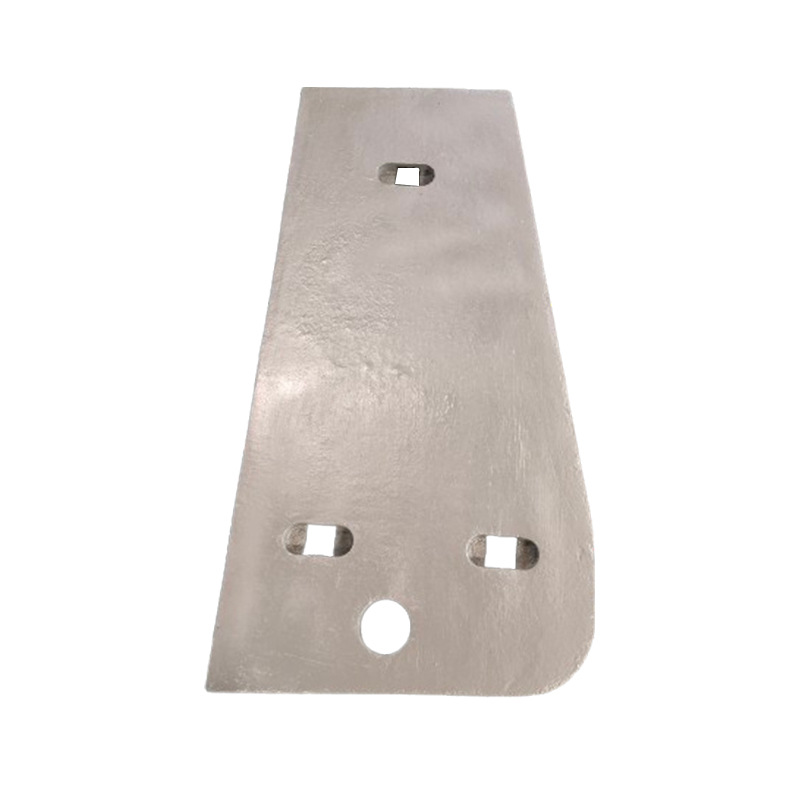
How Side Plates Protect the Crusher Frame and Extend Service Life
Absorbing Impact and Reactive Force
Each turn of crushing creates a large amount of reaction force that moves toward the frame of the crusher. The side plate is the main thing that stops this force from reaching the base of the machine. It’s very strong and stiff, so it absorbs shocks that would otherwise make the frame wear out faster. This defensive feature is what makes sure that crusher repair times are reliable and easy to handle in high-volume mining and engineering settings.
Material Quality Makes the Difference
Side plates made of high manganese steel or high carbon steel last longer than other materials. High manganese steel, in particular, gets stronger as it is hit over and over again. This is called work-hardening. This feature makes it possible for the side plate to handle harder rocks without breaking or deforming too soon. Good resistance to rust is an extra bonus, especially in wet or chemically active breaking settings where cheaper materials would break down quickly.
Reducing Unplanned Downtime
When the crusher frame sustains direct wear damage, repairs are costly and time-consuming — far more disruptive than a routine side plate replacement. By taking on the wear load, the side plate turns an unpredictable structural failure risk into a scheduled maintenance item. For operations where uptime directly affects output targets, this shift from reactive to planned crusher service is a real operational advantage.
What Role Do Side Plates Play in Crushing Chamber Stability?
Keeping Material Flow Consistent
The crushing chamber geometry depends on all its surfaces holding their position and shape under load. A well-fitted side plate maintains the lateral boundaries of the chamber, preventing material from migrating outside the intended crushing zone. This keeps the feed moving downward efficiently, improving throughput and reducing the energy wasted on irregular crushing patterns.
Supporting the Jaw Plate System
The movable and fixed jaw plates do the primary crushing work, but the side plate provides lateral support that keeps the entire system aligned. If the side walls wear unevenly or lose rigidity, the jaw plates can shift slightly under load, affecting output size consistency and accelerating wear on other crusher parts. Reliable crusher service starts with every component — including the side plate — performing its role as designed.
Fit and Dimensional Accuracy Matter
A side plate that doesn’t conform precisely to the frame geometry creates gaps where fine material can pack and cause abrasion damage. For non-standard or older crusher models, sourcing a correctly dimensioned side plate requires a supplier with genuine manufacturing capability — not just a catalog match. Customized side plates may require drawing review and process confirmation, so lead times for non-standard configurations can vary accordingly.
How to Choose the Right Side Plate for Mining and Engineering Applications
Match the Material to the Application
Not every crushing application puts the same demands on a side plate. Softer, less abrasive materials allow for a wider range of material choices, while hard rock mining — granite, basalt, iron ore — calls for high manganese steel or high carbon steel to achieve acceptable service life. Specifying the right material grade from the start is more cost-effective than replacing a cheaper side plate twice as often.
Consider the Crusher Model and Operating Conditions
Side plates are not universal components. Frame dimensions, mounting configurations, and chamber profiles vary across crusher models and manufacturers. A side plate sourced without reference to the actual machine specifications may not seat properly, compromising both its protective function and crusher service quality. Working with a supplier who can cross-reference drawings and confirm fit before production avoids this problem.
Evaluate Supplier Capability, Not Just Price
For purchasing managers balancing cost against quality, the real question is total cost of ownership rather than unit price. A side plate from a supplier with strict quality control — covering material composition, casting process, and dimensional inspection — will consistently outlast a cheaper alternative. Suppliers with 30 or more years of experience in customized crusher parts understand these trade-offs and can offer guidance that goes beyond the transaction.
Conclusion
Side plates are a straightforward component with a significant impact on jaw crusher performance and longevity. Choosing the right material, ensuring dimensional accuracy, and sourcing from a capable manufacturer are the decisions that determine whether your crusher service schedule runs smoothly or is disrupted by avoidable wear damage.
FAQ
Q1: What is the main function of a side plate in a jaw crusher?
It protects the crusher frame from direct wear and impact, contains material within the crushing chamber, and supports the overall structural stability of the machine during operation.
Q2: What material is used to make side plates?
High manganese steel and high carbon steel are the most common choices. High manganese steel is preferred for demanding applications due to its work-hardening properties and impact resistance.
Q3: How do I know when a side plate needs replacing?
Regular visual inspection is the most reliable method. Significant surface wear, cracking, or dimensional loss are the main indicators. Scheduled inspection intervals based on operating hours help avoid unexpected failures.
Q4: Can side plates be customized for non-standard crushers?
Yes. Manufacturers with engineering capability can produce side plates to customer drawings or samples. For complex or non-standard configurations, lead times depend on drawing confirmation and process requirements.
Q5: Does side plate quality affect overall crusher service costs?
Directly. A higher-quality side plate lasts longer and protects the frame more effectively, reducing both replacement frequency and the risk of collateral damage to the crusher body.
Partner with a Manufacturer Who Understands Your Equipment
Xi’an Huan-Tai Technology and Development Co., Ltd. has been supplying customized crusher parts — including side plates — to mining and engineering customers worldwide for over 30 years. Our production and technical teams manage quality at every stage, from material selection to final inspection, ensuring each part meets your exact specifications. If you need reliable crusher service support through high-quality wear parts, reach out today. Contact us at inquiry@huan-tai.org.
References
- Wills, B. A., & Finch, J. A. (2015). Wills’ Mineral Processing Technology: An Introduction to the Practical Aspects of Ore Treatment and Mineral Recovery (8th ed.). Butterworth-Heinemann.
- Gupta, A., & Yan, D. S. (2006). Mineral Processing Design and Operations: An Introduction. Elsevier.
- Metso Corporation (2015). Crushing and Screening Handbook (5th ed.). Metso Minerals Industries, Inc.
- Lindqvist, M., & Evertsson, C. M. (2003). Wear in Rock Crushing Equipment: Prediction and Influence on Product Quality. Minerals Engineering, 16(12), 1347–1354.
- Lewis, F. M., Coburn, J. L., & Bhappu, R. B. (1976). Comminution: A Guide to Size-Reduction System Design. Mining Engineering, 28(9), 29–35.
