
Choosing the right crusher liners for your cone crusher has a direct impact on throughput, product shape, and cost per tonne. In mining and quarry operations, where machines run hard and downtime is expensive, getting the liner specification right — material, profile, and fit — is one of the highest-return decisions a maintenance or production manager can make. This guide covers what actually matters when selecting and sourcing liners.
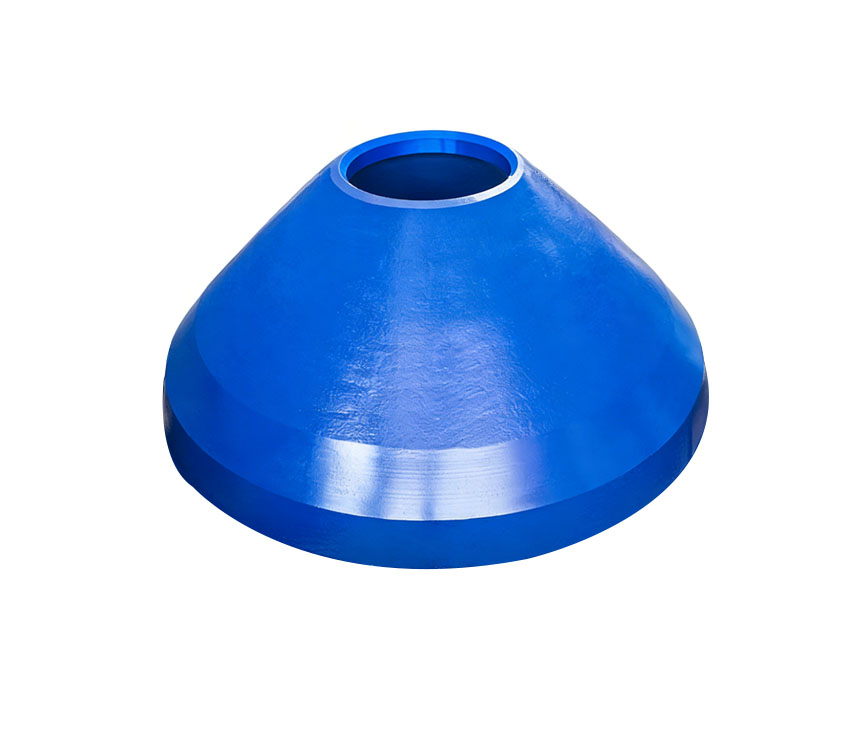
What Makes a Cone Crusher Liner Perform Well in Mining and Quarry Applications
Material Selection Drives Everything
The most important variable in Crusher Liners performance is material. High-manganese steel remains the industry standard for most primary and secondary cone crushing duties because it work-hardens under impact, developing surface hardness while retaining a tough core. For applications with finer feed, lower-impact conditions, or highly abrasive material, alloyed manganese grades or high-chromium alloy alternatives offer better wear resistance per cycle. The frame liner — which protects the main frame bore from abrasive fines — benefits especially from this kind of material optimization, since replacing a worn frame is far costlier than replacing a liner.
Profile Geometry and Chamber Fit
A liner’s profile determines how material flows through the crushing chamber, where contact pressure concentrates, and ultimately how evenly the liner wears. Mismatched profiles between the mantle and concave force the machine to work harder for the same reduction ratio, increasing power draw and accelerating liner consumption. The frame liner faces similar demands: dimensional accuracy at the seat interface affects load distribution across the entire upper assembly. Crusher Liners produced to exact model drawings — rather than generic approximations — close the gap on these fit issues and deliver more predictable wear patterns.
Heat Treatment and Casting Quality
Beyond base material, the manufacturing process itself determines how consistently a liner performs. Key Crusher Liners components undergo controlled heat treatment that improves hardness uniformity and wear resistance throughout the section — not just at the surface. Castings enhanced with manganese and other alloying elements also resist the sand-adhesion and sand-clamping effects that degrade surface finish and increase replacement frequency on the frame liner and adjacent components. These process details separate high-cycle liners from ones that look similar on paper but fall short in the field.
How Frame Liners Fit Into the Broader Liner System
The Frame Liner’s Role in Protecting Structural Components
The frame liner is not a wear-facing component in the direct crushing sense — it sits between the adjustment ring or head assembly and the main frame bore, protecting structural castings that are expensive and time-consuming to replace. When Crusher Liners throughout the chamber wear evenly and are replaced on schedule, the frame liner sees predictable, manageable loads. When chamber liners are run past their service life, the resulting increase in eccentricity and vibration accelerates frame liner wear and starts loading the frame itself.
Replacement Intervals and Condition Monitoring
Determining when to replace the frame liner requires looking beyond visible wear — liner thinning at the bore interface often isn’t obvious until clearances have already affected crusher performance. Tracking motor amperage, product gradation, and vibration signature together gives a more complete picture than visual inspection alone. For operations running multiple cone crushers, building a liner consumption database per machine and feed type quickly pays back in better-timed Crusher Liners replacements and fewer unplanned stops.
Custom Fit for Non-Standard or Refurbished Equipment
Not every crusher in service is a current-production model. Refurbished machines, modified frames, or older equipment with discontinued OEM support all present sourcing challenges for the frame liner and other Crusher Liners. Custom manufacturing to supplied drawings or measured dimensions solves this directly — a liner produced to the actual part geometry fits and performs as designed, rather than requiring field modification. Lead time for custom liners varies depending on drawing confirmation, process requirements, and order volume, so planning sourcing well ahead of scheduled maintenance windows is always advisable.
Selecting the Right Crusher Liners for Your Specific Operation
Matching Liner Spec to Feed Characteristics
Quarry operations processing hard, abrasive granite or basalt have different liner requirements than a mining operation crushing softer, wetter ore. Crusher Liners for high-abrasion duty prioritize wear life over toughness, while operations with variable or contaminated feed need liners that can handle the occasional tramp event without cracking. The frame liner spec should follow the same logic — match the material grade and section thickness to the actual load environment, not just the machine model.
Balancing Cost Per Tonne Against Upfront Price
Purchasing managers often compare Crusher Liners on unit price, but the relevant metric is cost per tonne of material processed. A liner that costs 20% more but lasts 40% longer delivers better value by every measure — and reduces the labor and downtime cost of more frequent changeouts. The frame liner, with its protective role for high-value structural parts, is particularly worth specifying correctly rather than trading down on price.
Working With a Reliable Supplier for Consistent Quality
Consistency matters as much as specification. A crusher running well on one batch of Crusher Liners should perform the same on the next. This requires a supplier with controlled casting, heat treatment, and inspection processes — not just a competitive price on the first order. For the frame liner and other critical components, production and quality oversight at every process stage is what keeps wear performance predictable across multiple supply cycles.
Conclusion
The best Crusher Liners for mining and quarry plants are those correctly specified for the material, machine, and operating conditions — then consistently manufactured to that specification. From the mantle and concave to the frame liner, every component in the liner system contributes to throughput, cost, and equipment longevity.
FAQ
Q1: How long do cone crusher liners typically last?
Service life varies widely by application — from a few hundred hours in hard, abrasive duty to over a thousand hours in softer material. Feed size, crusher setting, and liner material all influence the interval.
Q2: What is the most common material for cone crusher liners?
High-manganese steel is the most widely used material, valued for its work-hardening behavior and toughness. Alloyed or high-chromium grades are used where abrasion resistance takes priority.
Q3: When should the frame liner be replaced?
Replace the frame liner when bore clearance measurements exceed OEM tolerances, when abnormal vibration develops, or when visual inspection shows uneven wear or surface cracking at the seat.
Q4: Can crusher liners be manufactured to custom dimensions?
Yes. Liners can be produced to customer drawings or measured dimensions, which is especially useful for refurbished, modified, or discontinued crusher models where OEM parts are unavailable.
Q5: Does liner fit affect crusher performance?
Directly. Poor fit between the liner and its seat creates uneven load distribution, accelerates localized wear, and increases stress on surrounding components including the frame liner and adjustment system.
Let’s Talk About Your Liner Requirements
Xian Huan-Tai Technology and Development Co., Ltd. has 30 years of experience manufacturing customized non-standard mechanical parts for mining, quarry, and heavy equipment applications. Our engineering and production teams control quality through every stage — from material selection and heat treatment to final dimensional inspection. Whether you need standard Crusher Liners or custom frame liner components to drawing, we’re ready to help. Send us your specifications today at inquiry@huan-tai.org.
References
- Evertsson, C. M. (2000). Cone Crusher Performance. PhD thesis, Chalmers University of Technology, Department of Machine and Vehicle Design.
- Lindqvist, M., & Evertsson, C. M. (2004). Improving energy efficiency in cone crushers: the influence of liner wear. Minerals Engineering, 17(11–12), 1229–1237.
- Bearman, R. A., & Briggs, C. A. (1996). The active use of crushers to control product requirements. Minerals Engineering, 9(8), 849–860.
- Napier-Munn, T. J., Morrell, S., Morrison, R. D., & Kojovic, T. (1996). Mineral Comminution Circuits: Their Operation and Optimisation. Julius Kruttschnitt Mineral Research Centre, University of Queensland.
- Wills, B. A., & Finch, J. A. (2016). Wills’ Mineral Processing Technology: An Introduction to the Practical Aspects of Ore Treatment and Mineral Recovery (8th ed.). Butterworth-Heinemann.
