
The Side liner is a wear plate that is designed to go along the inside walls of the breaking area of a jaw crusher. Its job is simple but important: keep the frame of the crusher away from rock and metal, move material through the chamber, and absorb the side forces that are created during each breaking cycle. Without the right side liners, the crusher’s structure walls would wear down quickly, which would require expensive frame repairs and more downtime in engineering, mining, and quarries.
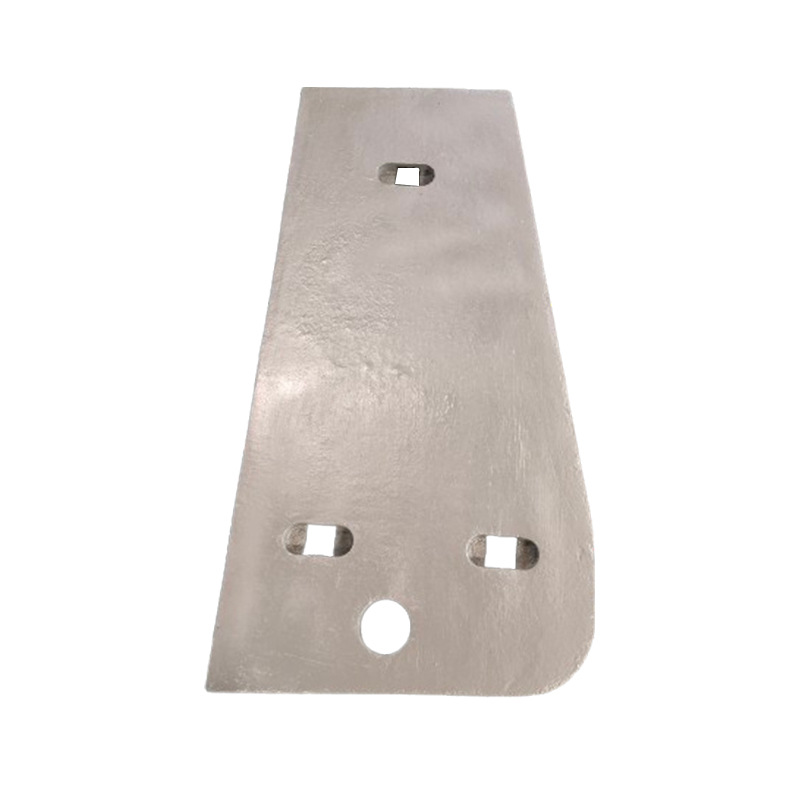
Protecting the Crusher Frame from Wear and Impact
Shielding the Sidewalls from Abrasive Material
Every time rock goes into the crushing chamber, pieces of rock hit the walls of the room on the sides. The side liner is a protective layer between the rough material and the cast frame of the crusher. A well-specified side liner is one of the best purchases in any jaw crusher’s maintenance plan because it is much easier and cheaper to replace it than to fix or replace the crusher body itself. When working with hard rock, this protecting role is even more important because the feed material is so rough and hard.
Withstanding Reactive Crushing Forces
During each compression stroke of the jaw, significant reactive forces radiate outward toward the chamber walls. The side liner must absorb these forces without deforming or cracking. Huan-Tai’s side liners are cast from high manganese steel and high carbon steel — materials selected specifically for their ability to withstand repeated impact force while maintaining structural integrity. This combination of high strength and rigidity ensures the side liner holds its shape and protective function across extended service periods, even in demanding engineering and mining environments.
Corrosion Resistance in Harsh Operating Conditions
Mining and quarrying operations frequently expose crusher components to moisture, mineral-laden dust, and chemically active ore. A side liner that degrades through corrosion loses both its dimensional accuracy and its mechanical strength, reducing its protective effectiveness. Side liners cast from high-quality alloy with good corrosion resistance maintain their performance in these conditions far longer than standard cast components, reducing replacement frequency and the associated labor costs of opening up the crusher chamber for maintenance work.
Guiding Material Flow Through the Crushing Chamber
Controlling the Path of Feed Material
The geometry of the side liner influences how rock moves through the jaw crusher from feed opening to discharge. A correctly profiled side liner keeps material centered in the crushing zone, ensuring it contacts the jaw plates evenly rather than bypassing toward the frame walls. This controlled material path improves crushing efficiency and contributes to a more consistent output gradation — a measurable operational benefit for aggregate producers and mining operations where product specification compliance matters.
Reducing Material Bypass and Bridging
When the crushing chamber walls are worn or irregular, oversized material can lodge against the walls instead of passing through the jaws — a condition known as bridging. Side liners with a well-maintained surface profile prevent this by keeping the chamber geometry consistent. Replacing worn side liners on schedule is one of the most straightforward ways to maintain throughput and avoid the production interruptions caused by manual clearing of bridged material in high-volume jaw crusher operations.
Supporting Uniform Jaw Plate Wear
The side liner works in combination with the fixed and movable jaw plates to define the full crushing chamber geometry. When the side liner maintains its profile, jaw plate wear tends to be more uniform because material is consistently presented to the jaw surface in the same orientation. This interdependency means that side liner condition directly affects the service life of the jaw plates — another reason why timely side liner replacement benefits the total cost of operating a jaw crusher over a full maintenance cycle.
Selecting and Replacing Side Liners for Your Jaw Crusher
Matching Material Grade to Feed Conditions
Not every application demands the same side liner material. For highly abrasive hard rock — common in mining operations handling granite, basalt, or iron ore — high manganese steel side liners offer the best combination of toughness and work-hardening behavior. The material hardens further under repeated impact, extending wear life in service. For moderately abrasive applications in engineering or construction aggregate production, high carbon steel side liners provide a reliable and cost-effective solution that balances wear performance with material cost.
Customization for Non-Standard Equipment
Older jaw crushers and machines from less common manufacturers often have non-standard chamber dimensions that off-the-shelf side liners cannot accurately fit. Huan-Tai produces side liners to customer drawings or equipment model specifications, ensuring the correct profile and dimensional fit for the specific machine in service. Lead times for customized crusher wear parts vary depending on the drawing confirmation process and manufacturing requirements, so procurement should be initiated well ahead of the planned maintenance window.
Inspection and Replacement Timing
Side liner wear is gradual and easy to defer — until it isn’t. Allowing side liners to wear to the point of frame exposure creates repair costs that dwarf the cost of timely liner replacement. In mining operations running multiple shifts, a quarterly visual inspection of side liner thickness and surface condition is a practical baseline. When worn areas are first detected, scheduling replacement at the next planned shutdown avoids the risk of unplanned downtime caused by liner failure during production.
Conclusion
Side liners serve three interconnected roles in jaw crusher performance: protecting the frame, guiding material flow, and supporting consistent crusher output. Choosing the right material grade, maintaining replacement schedules, and sourcing dimensionally accurate replacements are the key decisions that determine how much value a side liner delivers over its service life. For mining and engineering operations, getting this right is a straightforward path to lower maintenance costs and better crusher reliability.
FAQ
Q1: What is the primary function of a side liner in a jaw crusher?
It protects the crusher’s structural frame from direct wear and absorbs lateral impact forces generated during the crushing cycle, extending the service life of the machine.
Q2: What materials are side liners typically made from?
High manganese steel and high carbon steel are the most common choices, selected for their toughness, impact resistance, and work-hardening properties under repeated loading.
Q3: How do I know when a side liner needs replacing?
Visible thinning, surface cracking, or any exposure of the underlying crusher frame wall are clear indicators. Regular inspection at planned maintenance intervals catches wear before it reaches this stage.
Q4: Can side liners be customized for older or non-standard jaw crushers?
Yes. Manufacturers with casting capabilities can produce side liners to customer-supplied drawings or equipment specifications, though lead times depend on design confirmation requirements.
Q5: Does side liner condition affect jaw plate wear?
Yes. A properly profiled side liner helps present material to the jaw plates consistently, supporting more uniform jaw plate wear and extending the service interval of both components.
Source Side Liners Built for the Work You Do
At Xian Huan-Tai Technology and Development Co., Ltd., we have spent 30 years manufacturing customized non-standard mechanical parts for mining, engineering, and heavy equipment industries. Our professional production and inspection teams manage quality at every stage, and our technical team works directly from your drawings or equipment specifications to deliver side liners and other crusher wear parts that fit precisely and perform reliably in the field. Ready to discuss your requirements? Contact us at inquiry@huan-tai.org.
References
- Wills, B. A., & Finch, J. A. (2016). Wills’ Mineral Processing Technology (8th ed.). Butterworth-Heinemann. Chapter 5: Crushers — Jaw Crusher Chamber Design, Liner Selection, and Wear Part Management.
- Gupta, A., & Yan, D. S. (2006). Mineral Processing Design and Operations: An Introduction. Elsevier. Chapter 6: Primary Crushing — Jaw Crusher Components, Chamber Geometry, and Maintenance Practice.
- Metso Outotec Engineering Team (Ed.) (2020). Crushing and Screening Handbook (6th ed.). Metso Corporation. Section 3: Jaw Crusher Wear Parts — Side Liners, Jaw Plates, and Scheduled Replacement.
- Bearman, R. A., & Briggs, C. A. (1996). The active use of crushers to control product requirements. Minerals Engineering, 9(8), 849–860.
- Lewis, F. M., Coburn, J. L., & Bhappu, R. B. (1976). Comminution: A Guide to Size-Reduction System Design. Society of Mining Engineers of AIME. Section on jaw crusher liner wear mechanics and material selection for primary crushing applications.
