
It depends on the pressure levels, the climate, and the mechanical loads that the heavy duty cylinder has to carry that determines the best material for it to be used in mining, engineering, or hydraulic equipment. The most common base materials are high-quality cast iron and cast steel. Both of these materials are tough, strong, and easy to work with. By choosing the right material, you can be sure that the cylinder will be able to handle constant high-pressure use without leaking, deforming, or breaking down too soon in tough field circumstances.
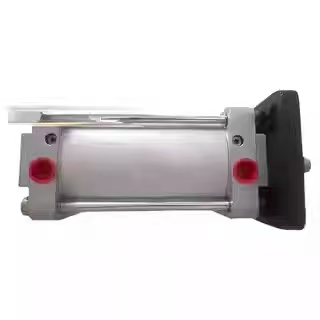
Cast Iron vs. Cast Steel: Which Material Suits Your Cylinder?
Cast Iron for Stable, Vibration-Resistant Cylinder Bodies
Due to its excellent vibration-damping capabilities, good machinability, and affordable price, cast iron has been used in heavy duty cylinder production for decades. Its texture of graphite absorbs shock and slows down surface wear in sliding contact situations. When used in moderate-pressure hydraulic systems on building or mining equipment, a cast iron cylinder body offers consistent physical stability and a long service life under repeated loading, especially when weight is not the main concern.
Cast Steel for High-Pressure and High-Impact Cylinder Applications
Cast steel has better tensile strength and toughness than cast iron when working pressures are high or the cylinder is subject to heavy impact loads, which can happen in heavy industrial gear or equipment used in deep mines. It is essential for equipment operating long shifts in tough underground settings that a heavy duty cylinder made of high-quality cast steel can withstand the constant pressure of high-pressure hydraulic oil while remaining physically sound and leak-free.
Alloy Additions and Their Effect on Cylinder Performance
Adding certain alloys to cast iron or steel cylinder bodies can improve their mechanical qualities in certain ways. Adding chromium makes the surface harder and more resistant to rust. Adding manganese makes the cylinder body and end caps tougher and more resistant to wear. Choosing a material grade with the right alloying gives heavy duty cylinder uses in wet or chemically harsh settings a significant performance edge over plain carbon grades and increases the time between service intervals.
How Material Properties Determine Heavy Duty Cylinder Reliability
Pressure Containment and Structural Integrity Under Load
Any heavy duty cylinder body’s main job is to keep hydraulic pressure inside without deforming or leaking over thousands of rounds. Cast steel cylinder bodies with precisely controlled wall thickness and internal hole dimensions keep their shape even when under constant pressure, so the actuator always works the same way over its lifetime. The cylinder can handle high loads without cracking at stress concentration points because it was made with a reasonable structural design and was cast and machined precisely.
Toughness in Harsh Underground and Mining Environments
Cylinder materials have to withstand especially tough conditions in mining and deep building. The equipment works in situations that are wet, dirty, and have changing temperatures. The frame of the machine is also often hit with shock loads. A heavy duty cylinder made from high-quality cast iron or steel can keep equipment running continuously in these conditions. This lowers the risk of sudden failure and the big problems with cost and safety that can happen when something breaks down in the middle of work underground.
Ease of Replacement and Long-Term Maintenance Cost
The choice of material also affects how easy it is to change a cylinder when it wears out. A heavy duty cylinder made from a well-known grade of material and built with standard contact measurements is easy for a repair team working under time constraints to take apart, check, and put back together. Castings that are easy to install and change and have a long service life lower both the total cost of keeping equipment running and the number of times that problems need to be fixed.
Sourcing the Right Cylinder Material for Your Equipment
Matching Material Grade to Operating Pressure and Load
Buyers should know the highest working pressure, peak mechanical load, and any rust or temperature requirements for a new or special heavy duty cylinder before they choose a material. When it comes to normal hydraulic systems on surface mining equipment, high-quality cast iron is usually the best deal. For uses that involve a lot of force or high pressure, cast steel or alloyed versions provide the mechanical reserve needed to keep equipment available and cut down on unplanned downtime.
Custom Cylinder Production: Drawing Confirmation and Lead Time
For heavy duty cylinder designs that aren’t standard or are made to order, production starts with approval of the engineering plan. When plans need to be changed more than once or when the part has tight specs and complex internal design, the production cycle naturally takes longer. When buyers make an inquiry, they should be clear about what they need for operations and make sure to plan orders well ahead of planned repairs to avoid delays. A maker with a skilled technical team can also help you choose the right materials and create the right dimensions to get the best performance.
Quality Documentation and Acceptance Before Installation
The reception team should check the key measurements, the bore surface state, and the material certificate and inspection records that come with the new heavy duty cylinder when it gets to the job site. A trustworthy seller will give you proof of the chemical make-up, hardness levels, and measurements that were checked against the engineering plan. These records help with quality control and give repair workers the confidence to put the part in and put the machine back into service without taking any extra risks.
Conclusion
The required working pressure, load type, and climate all affect which material is best for a heavy duty cylinder. Cast iron works well in low-cost, moderate-pressure situations. Cast steel and alloyed types, on the other hand, are strong and durable enough for heavy-duty use in mining and engineering that involves high pressure or impact. The difference between a solid cylinder and one that needs to be fixed over and over is the choice of materials, the accuracy of the casting, and the quality paperwork.
FAQ
Q1: Is cast iron or cast steel better for hydraulic cylinders?
Cast steel generally offers better tensile strength and impact resistance, making it the preferred choice for high-pressure or heavy-load hydraulic cylinder applications in mining and engineering equipment.
Q2: What alloying elements improve cylinder material performance?
Chromium improves hardness and corrosion resistance, while manganese enhances toughness and wear resistance. The right combination depends on the operating environment and pressure requirements of the specific application.
Q3: How long does a custom heavy duty cylinder take to produce?
Standard configurations can be delivered within a reasonable timeframe. Custom designs involving drawing confirmation, special alloy grades, or tight tolerances may require a longer production cycle, so early planning is strongly recommended.
Q4: Can a heavy duty cylinder be produced to non-standard dimensions?
Yes. Experienced manufacturers can produce cylinders to customer-supplied drawings, including non-standard bore sizes, wall thicknesses, and end configurations, provided complete and accurate drawings are submitted upfront.
Q5: What documentation should accompany a cylinder delivery?
Suppliers should provide material certificates, chemical composition reports, hardness test results, and dimensional inspection records matched to the engineering drawing for quality verification before installation.
Source Heavy Duty Cylinders Built to Your Exact Requirements
Xian Huan-Tai Technology and Development Co., Ltd. has over 30 years of experience manufacturing customized non-standard mechanical parts for mining machinery, engineering equipment, and heavy industry worldwide. Our dedicated production and technical teams manage quality at every step — from material selection and casting through to precision machining and final inspection. If you need a heavy duty cylinder that meets your exact specifications, send us your drawings today. We are ready to help: inquiry@huan-tai.org.
References
1. Fitch, J. C., & Tessmann, R. K. (2004). Hydraulic System Contamination Control and Conditioning. Noria Corporation.
2. Watton, J. (2009). Fundamentals of Fluid Power Control. Cambridge University Press.
3. Beitz, W., & Küttner, K. H. (Eds.). (1994). Dubbel: Handbook of Mechanical Engineering. Springer-Verlag.
4. ASM International. (1990). Properties and Selection: Irons, Steels, and High-Performance Alloys. ASM Handbook, Volume 1. ASM International.
5. Stringer, J. (1995). Stress Corrosion Cracking and Metal Fatigue in Hydraulic Machinery Components. Tribology International, 28(3), 171–178.
