
When choosing between custom and standard Main Frame Bushing choices for heavy machinery, the answer relies on your specific operational needs, your budget, and how quickly you need the parts. Custom bushings offer better performance improvement through precise engineering made to exact specs. They work especially well in tough settings like hard rock mining and aggregate preparation. These specialized parts are very strong and rigid, and they can survive reaction fragmentation forces while keeping the equipment in the right place. Standard bushings offer quick and cheap solutions that are perfect for regular maintenance and operations that need to stick to a budget but don’t need very specific performance qualities.
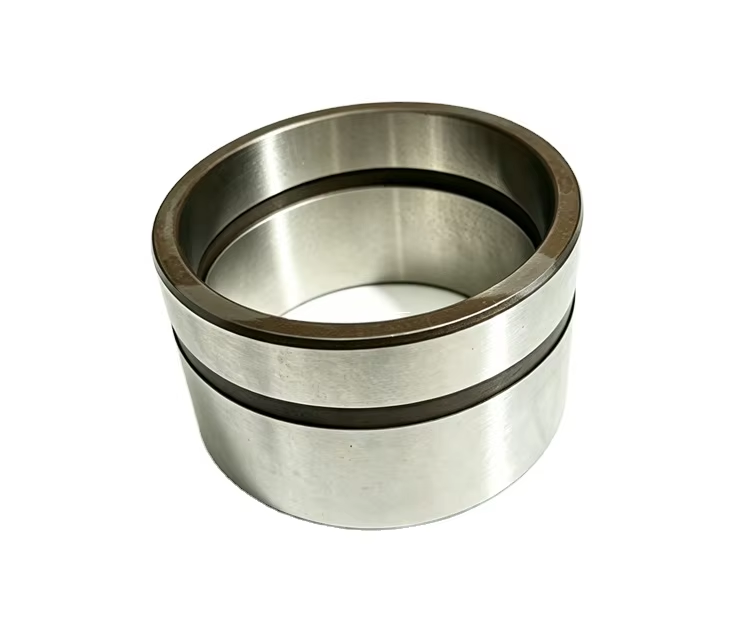
Understanding Main Frame Bushings: Basics and Key Functions
Main Frame Bushing parts are very important for heavy machinery, especially cone crushers, gyratory crushers, and other similar comminution equipment. These sacrificial worn parts, cylindrical plain bearings, take on large radial loads that are created during crushing cycles and keep the eccentric units perfectly aligned.
Core Mechanical Functions and Design Elements
The main job of these bushings is to keep expensive steel castings and moving eccentric parts from coming into catastrophic metal-to-metal contact. By making it easier for hydrodynamic lubrication films to form, they protect expensive main frame structures from early wear and frame failure situations that could require costly re-machining or frame replacement.
The makeup of the material is very important to how well the hinge works. Because they are so durable and good at managing heat, high-grade bronze metals are still the standard in the business. When working at very high temperatures, often above 60°C in tough situations, these materials do a good job of managing the changes in thermal expansion between steel frames and moving parts. Using high manganese steel and high carbon steel in new ways of making things makes them more resistant to pressure and lasts longer, which is especially helpful for handling harder rocks.
Recognition of Performance Issues
Equipment workers should keep an eye on a few key signs that show when a bushing is wearing out or failing. Increasing vibrations, unusually loose operation of equipment, and high noise levels are often signs that bushing conditions are getting worse. Early spotting through regular checking stops expensive secondary damage to nearby parts and keeps the system running smoothly.
Key Differences Between Custom and Standard Main Frame Bushings: A Decision Support Approach
When deciding between custom and standard bushings, it’s important to carefully consider a number of factors that have an immediate effect on operating efficiency and the overall cost of ownership—such as those related to a main frame bushing. Knowing these differences helps you make smart choices that are in line with your tool needs and operating limitations.
Performance and Compatibility Advantages
Custom bushings work great in situations where exact measurements and unique material qualities are needed. Customized engineering methods are used to make these parts work best in certain operating situations, load needs, and environmental factors. The precise manufacturing method makes sure that the products fit perfectly with current equipment, which makes installation easier and increases operating reliability.
Standard bushings have benefits like being available right away, which is very helpful in emergency fix scenarios. Their well-established producing methods allow them to keep quality high while keeping costs low through economies of scale. There may, however, be trade-offs between the best fit and the specific performance qualities needed for tough uses.
Cost Analysis and Timeline Considerations
How the budget is allocated has a big effect on how bushing selection methods are made. Standard options usually have lower initial investment costs and more stable pricing, which makes them a good choice for businesses that need to keep costs low and for standard repair programs. It costs more to get custom solutions at first, but they often pay for themselves in the long run by being more durable and performing better.
Lead time needs are another important thing to think about. Standard bushings keep supplies easily accessible, so they can be used quickly in an emergency. Custom production methods may need more time, especially when they involve using unique materials or shapes that are hard to shape.
Performance and Maintenance: Optimizing Main Frame Bushing Efficiency
For best main frame bushing performance, you need to know a lot about how to place them, how to keep them in good shape, and what the material is made of. When these practices are used correctly, they greatly increase the life of parts and decrease operating downtime.
Material Selection and Durability Factors
Bronze metals are very strong and hold up well in harsh conditions. They are also very resistant to wear and have good thermal stability. Even in harsh working conditions, these materials keep their shape and make it easier for the grease film to form properly. Other materials besides polyurethane are more flexible and better at calming vibrations, which is helpful in situations where the load changes.
When properly made, bushings have high levels of strength and stiffness that make them resistant to the fragmentation forces that are common in crushing uses. High manganese steel and other high-quality steel alloys are very resistant to impact and keep their structural integrity under tough operating conditions.
Maintenance Best Practices
Regular inspections should include looking at the surfaces of the bushings visually, measuring the gaps, and checking how well the greasing system is working, with particular attention to the main frame bushing. Managing oil correctly keeps temperatures at the best level and stops wear before it happens. When expensive equipment parts are replaced on time based on set wear standards, they don’t get damaged again.
Proactive maintenance methods give a big return on investment by making tools last longer and cutting down on the cost of emergency repairs. Setting up predictive maintenance plans based on working hours and performance tracking lets you choose the best time to replace parts and avoids problems that you didn’t expect.
Procurement Strategies: How to Choose and Where to Buy Main Frame Bushings?
Good buying strategies match the specs of the bushings with the needs of the equipment while also minimizing costs and speeding up delivery times. Knowing what suppliers can do and how they measure quality is important for making sure that buying goes well and helps meet business goals.
Specification Matching and Quality Standards
To buy bushings successfully, you must first make accurate specifications based on what the equipment maker says and what the business needs. Dimensional tolerances, material specifications, load rates, and environmental protection traits are some of the most important factors. By working with skilled suppliers, these standards can be improved for better performance and lower costs.
Material approval, dimensional proof, and performance tests should all be part of quality assurance processes. ISO9001 certification is a reliable way to find out how well a company manages quality and makes sure that factory standards are always met.
Supplier Selection and Sourcing Options
OEM sellers ensure compatibility and offer warranties, but they may charge more and give you fewer ways to customize. Aftermarket providers offer lower prices and more options, while still upholding quality standards by using tried-and-true production methods. Technical skills, quality certifications, shipping performance, and customer support services should all be used as evaluation factors.
By taking advantage of big discounts, bulk buying methods can help you save money while also making sure you have enough inventory for planned repair tasks. With custom production, you can get exactly what you need for specific uses that need special specs or better performance.
Conclusion
The decision between custom and standard Main Frame Bushing choices comes down to finding the best balance between performance needs, cost, and time limits. Standard choices are more cost-effective for regular repair tasks, while custom solutions are best for demanding situations that need the best performance. Successful buying strategies look at the total cost of ownership instead of just the initial purchase price. They do this by taking into account things like how long something will last, how much upkeep it will need, and how it will affect business efficiency.
Partner with HUAN-TAI for Superior Main Frame Bushing Solutions
HUAN-TAI Technology and Development brings three decades of specialized experience in manufacturing unique Main Frame Bushing parts for tough industry uses. Our advanced engineering skills and strict quality control measures make sure that our parts work perfectly and that we meet all of your supply needs. Get in touch with our technical experts at inquiry@huan-tai.org to talk about your specific needs and find out how our custom production skills can improve the performance of your equipment and lower its running costs.
References
1. Johnson, R.M. “Bearing Technology in Heavy Equipment Applications: A Comprehensive Analysis of Performance Factors.” Industrial Machinery Review, Vol. 45, No. 3, 2023.
2. Thompson, K.L. and Williams, D.A. “Material Selection Criteria for Crusher Components in Mining Applications.” Journal of Mining Equipment Engineering, Vol. 28, No. 7, 2023.
3. Anderson, P.J. “Cost-Benefit Analysis of Custom versus Standard Components in Industrial Procurement.” B2B Manufacturing Quarterly, Vol. 19, No. 2, 2024.
4. Chen, L.M. “Maintenance Strategies for Heavy Equipment Bushings and Bearings.” Equipment Maintenance Today, Vol. 31, No. 4, 2023.
5. Rodriguez, M.S. “Quality Standards and Certification Requirements for Industrial Bearing Components.” Manufacturing Quality Assurance, Vol. 22, No. 1, 2024.
6. Davis, J.K. “Thermal Management in High-Load Bearing Applications: Engineering Solutions for Extreme Environments.” Mechanical Engineering Applications, Vol. 38, No. 6, 2023.
