
What’s the Difference Between Cast and Machined Housings? Which Is Better for Your Project? it comes down to accuracy, the complexity of the structure, and the wait time. Cast housings are better for high-volume, easier shapes, while machined housings have tighter tolerances and work well with complex designs. For engineering and mining equipment, where fit and efficiency are very important, knowing these differences early on helps buyers pick the best way to make the equipment for their job.
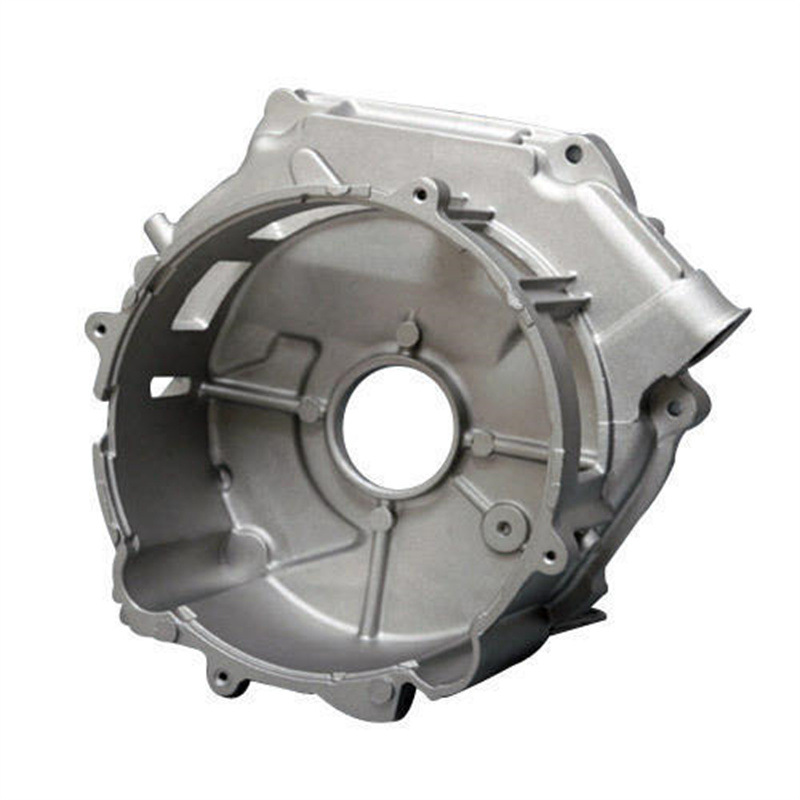
What Makes Machined Housings Different from Cast Housings?
Whether you choose to machine or cast affects the accuracy, the types of materials that can be used, and the speed with which a design goes from a plan to a final part.
Material Versatility and Structural Complexity
Machined housings can be made from many different materials and can be shaped into complicated shapes that casting molds can’t always copy. Since material is taken away directly from solid stock, internal features, non-standard bores, and odd mounting points can be made without making new tools. Machined housings are a good choice when a project needs a complicated or unusually shaped structure because they are so flexible.
Dimensional Precision and Part Adaptability
One of the best things about machined housings over cast ones is that they are more precise. Cutting tools move along pre-programmed paths that keep tight tolerances throughout a production run. This means that parts can fit together with other parts without having to do a lot of extra work. This high level of adaptability is most important when a housing needs to fit perfectly with shafts, bearings, or seals that are already in use.
Surface Finish and Assembly Fit
In addition to being accurate in size, made housings usually have a better surface finish right out of the machine, which means they don’t need any extra steps to be finished before they can be put together. A cleaner surface helps gaskets seal well and parts that move freely fit together. For engineering teams that care about making sure that assemblies are always the same, this finish quality often makes up for the lower costs that casting can offer when making more of something.
When Should You Choose Machined Housings for Your Project?
Not every job needs the same way to be made, and there are a few signs that cutting is the better choice.
Complex or Non-Standard Housing Designs
Machined parts are useful for projects with odd forms, internal holes, or housings that need to fit a lot of different parts. As opposed to mold-based making, machined housings are made by removing material. This makes it easier to make changes to the design without having to buy new tools. Because of this, machining is a good option for making housings that aren’t standard for engineering or mining equipment.
Projects Requiring Tight Tolerances
Tolerances must be very close when a housing needs to fit perfectly with rotating shafts, bearings, or sealing surfaces. As-cast parts don’t always meet tighter measurement goals than machined housings, which lowers the chance of error during assembly. Buyers of equipment that needs to work well all the time often ask for machining because it gives them the accuracy they need without having to make any extra adjustments after delivery.
Faster Turnaround for Custom Orders
For trial runs or low-volume replacement parts, custom housing orders sometimes need a faster path from drawing to finished part. It is usually possible to make machined housings faster than cast parts because a mold doesn’t have to be built first. Because of the faster lead time, machining is a good option for people who need custom housings but don’t want to wait for a long time for the tools to be made.
How Do You Choose the Right Manufacturing Partner for Machined Housings?
Engineering and Drawing Review Capability
If a supplier can look over the drawings before production starts, they can find problems with fit or tolerance right away. Before cutting starts on machined housings, this technical review helps make sure that the required sizes, materials, and finishes are possible. Buyers benefit from working with a team that talks about feasibility in a clear way instead of just agreeing to every standard without checking it first.
Production and Inspection Standards
Quality that stays the same depends on inspections happening at many points during production, not just the last check before shipping. This means checking the measurements and quality of the surface of made housings throughout the cutting process to find any errors that can still be fixed. A plant that has its own quality control team is easier to keep an eye on than one that hires a third party to do it.
Customization and After-Sales Support
Machined housings aren’t usually a one-size-fits-all product, so it’s important to find a manufacturer that lets you make changes and is responsive after the product has been delivered. Communication should go on all the time, whether a buyer needs a design change for a future order or help fixing a fit problem after installation. People, both small and large, tend to buy from the same suppliers again and again if they offer help after the delivery.
Conclusion
Whether you choose machining or cast housings relies on the complexity of the design, the tolerances that need to be met, and how fast the project needs finished parts. Casting is still a good option for easy, high-volume needs, while machining is best for complex, precision-critical, or special jobs. Buyers can find the best way for their project by working with a maker who has experience with both.
FAQs
What are the main advantages of machined housings over cast housings?
Tighter tolerances, wider material options, and the ability to produce complex geometries without new tooling.
Are machined housings more expensive than cast housings?
Costs vary by volume and complexity; machining often suits lower volumes and custom designs, while casting fits high-volume, simpler parts.
How long does it take to produce custom machined housings?
Timelines depend on drawing confirmation and complexity; custom orders generally take longer than stock parts due to design review.
Can machined housings be produced from different materials?
Yes, various materials can be machined depending on the strength, weight, and durability the application requires.
Do you provide support after the housings are delivered?
Yes, ongoing support is available for design adjustments, future orders, or fit issues after installation.
Get in Touch
Deciding between machined housings and cast housings shouldn’t be a guessing game. Xian Huan-Tai Technology and Development Co., Ltd. brings 30 years of experience producing customized non-standard mechanical parts, backed by a dedicated production and inspection team and engineers ready to review your drawings. Whether your project calls for complex machined housings or another custom component, our team can help you find the right approach. Contact us at inquiry@huan-tai.org to discuss your specifications and start your next project with confidence.
References
Novak, T. — Design Considerations for Non-Standard Housing Manufacturing
Anderson, P. — Comparative Analysis of Machining and Casting Processes for Industrial Housings
Zhao, M. — Precision Machining Techniques for Custom Mechanical Components
Patel, S. — Material Selection Strategies for Engineering and Mining Equipment Parts
Liu, X. — Quality Control Practices in China’s Machining Industry
