
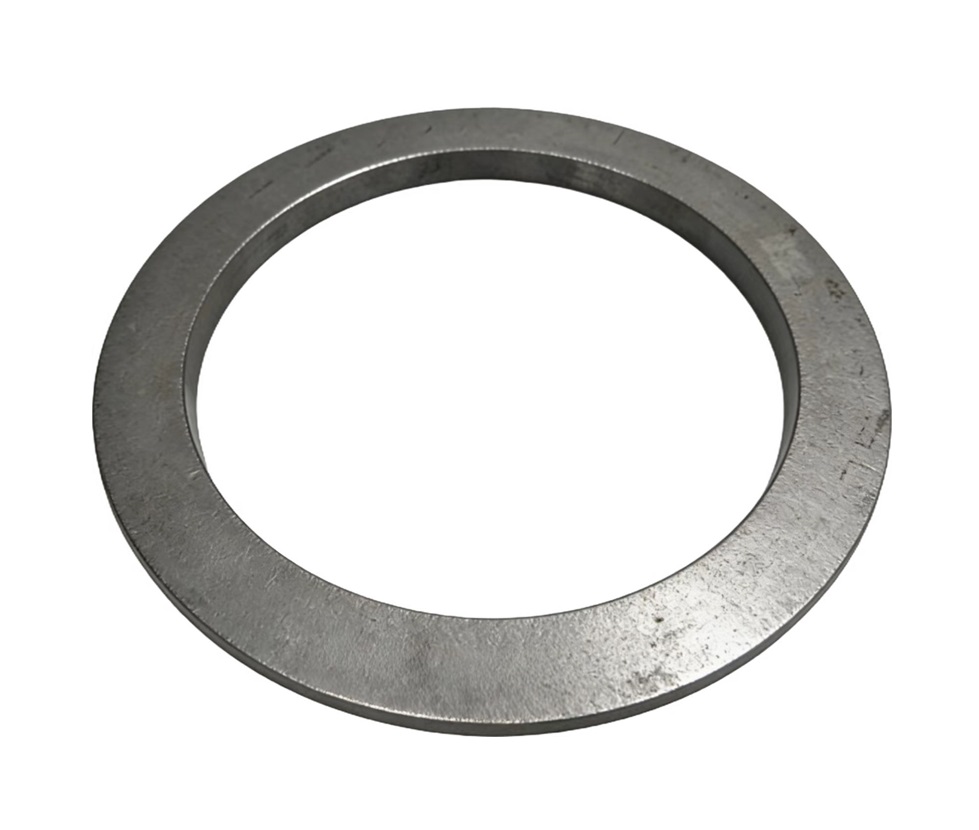
One of the main reasons why cone and gyratory crushers break down unexpectedly and wear out faster is that they get dirty with dust. A properly installed and kept dust seal, which serves as the main physical buffer between the harsh working environment of the crusher and its lubricant and bearing systems, is the best place to start. If you fix the seal correctly and keep it up to date, you can stop the most common way for contamination to get in before it becomes a big problem that costs a lot to fix.
Understanding How Dust Enters a Crusher
The Gap Between the Bowl and Main Frame
The most likely place for dust to get into a cone crusher is where the spinning bowl assembly meets the main frame. As the crusher works, the fine bits that are made during the grinding process are always in this area. If this area isn’t covered by a dust seal that works properly, particles move in with each turn of the machine until they reach the lubricant oil and bearing surfaces, where they do the most damage.
Lubricating Oil as a Contamination Indicator
A change in the state of the cleaning oil is one of the most obvious signs that dust is getting into the machine. If there are small material bits, mostly silica, in the oil samples, the dust seal probably doesn’t work as well. When oil gets dirty, it becomes rough, which speeds up the wear on bearings, shafts, and other precise surfaces in the greasing circuit. So, taking regular samples of oil isn’t just a housekeeping job; it’s also a way to find out early on if the seals are in bad shape.
Positive Air Pressure as a Supplementary Defense
Some crusher setups use positive air pressure inside the bearing case to stop dust from getting in. This works by pushing particles outward against any movement inward. Not in place of the dust seal, but in addition to it, this adds an extra layer of security. If the seal is worn, no amount of air pressure will make it work again. As always, the seal is the main structural barrier, and the state of it decides how well all the other barriers work.
Choosing the Right Dust Seal Material for Your Application
High-Manganese Steel for Standard Crushing Environments
A dust seal made of high-manganese steel is the minimum requirement for most gravel and mining crusher uses. When this material is hit and worn over and over again, it work-hardens, which means that its surface becomes harder to wear over time. High-manganese steel dust seal parts are the most popular choice for workers in normal aggregates or ore-crushing operations because they are tough, last a long time, and are cheap.
High-Chromium Alloy Steel Where Corrosion Is a Factor
If there is moisture in the air, like from wet rock, site drainage, or just general humidity, high-chromium alloy steel is better at resisting rust and wear. The chromium presence keeps the surface from oxidizing, which is important for dust seals that are used in wet-dry processes over and over again. If you choose the wrong material for an acidic climate, the seal will not last as long, even if the shape and fitting are right.
Custom Fabrication for Non-Standard Equipment
OEM substitutes for older or less popular crusher types are often not available, so custom-made dust seal parts have to be made. In these situations, the safest way to go is to find a maker that has experience making unique, non-standard mechanical parts. It’s important to start with accurate dimensional drawings or example measures and make sure the drawing is correct before production starts to avoid delays and extra costs.
Maintenance Practices That Keep Dust Contamination Under Control
Scheduled Inspection Intervals
Every planned maintenance check should include the dust seal, not just checks that are done after something goes wrong. Check the contact face for grooves, smoothing, or surface cracks at every check. The number of inspections should depend on how often the crusher is used and how rough the material being handled is. For hard-rock mining operations with a high output, shorter gaps are recommended.
Replacing the Seal Before It Fails Completely
It is not cost-effective to wait for a dust seal to fully fail before changing it. When the seal is broken, it’s possible that dirty oil has already gotten to the bearing assembly and done damage that can be seen. It is much cheaper to change bearings before they fail than to fix them and have to shut down for repairs after a full seal fails. This can be done by measuring the wear depth or setting a fixed service interval. If you need a special part, the lead time for new seals will be longer, so it’s best to plan ahead.
Correct Installation and Seating
It doesn’t matter how well-made or correctly described the dust seal is if it isn’t placed correctly during installation. The seal contact sides must be clean and free of any dirt. The fit must be within the tolerances given, and the unit must be torqued to the right level. Installing things quickly because of time constraints is a common reason why seals fail early, and it has nothing to do with the quality of the parts.
Conclusion
Three things are needed to keep dust out of crushers: using the right dust seal material for the job, regularly checking and maintaining the machine, and installing it correctly every time. Take care of all three, and you’ll protect your lubricating system, make your tools last longer, and reduce unexpected downtime to a minimum. This is exactly what high-use mining and quarrying businesses need.
FAQ
What does a dust seal in a breaker do for the most part?
Fine particles made by crushing can’t get into the lubricant system or bearing case because of a dust seal. This keeps internal parts safe from harsh contamination.
What kinds of things are used to make crusher dust seal rings?
Standard materials are high-manganese steel and high-chromium alloy steel, which are chosen because they are tough and don’t wear down easily in crusher conditions.
How do I know when it’s time to get a new dust seal?
When it’s time to replace a dust seal, the main signs are worn contact faces, higher particle contamination in oil samples, and changes in how the machine vibrates.
Can dust seals be made to fit older types of crushers?
Yes, custom manufacturing from sketches or sample measures is a good way to fix old machines that don’t have standard replacement parts anymore.
Does positive air pressure replace the need for a dust seal?
No. Positive air pressure is a supplementary measure. The dust seal remains the primary barrier and must be in good condition for any additional protection to be effective.
Partner with Huan-Tai for Reliable Crusher Wear Parts
Keeping your crusher protected from dust contamination starts with sourcing components you can trust. At Xian Huan-Tai Technology and Development Co., Ltd., we’ve been manufacturing customized non-standard mechanical parts for mining and engineering applications for over 30 years. Our technical team ensures every dust seal meets your exact material and dimensional requirements, and our production team maintains quality throughout the entire process. Send your drawings or inquiry to inquiry@huan-tai.org — let’s protect your equipment together.
References
Zum Gahr, K. H. (1987). Microstructure and Wear of Materials. Elsevier Science Publishers, Amsterdam.
Wills, B. A., & Finch, J. A. (2015). Wills’ Mineral Processing Technology: An Introduction to the Practical Aspects of Ore Treatment and Mineral Recovery (8th ed.). Butterworth-Heinemann, Oxford.
Metso Corporation (2011). Crushing and Screening Handbook (5th ed.). Metso Minerals, Helsinki. [Authored by Metso technical staff.]
Mular, A. L., Halbe, D. N., & Barratt, D. J. (Eds.) (2002). Mineral Processing Plant Design, Practice, and Control (Vol. 1). Society for Mining, Metallurgy and Exploration, Littleton, CO.
Shigley, J. E., Mischke, C. R., & Budynas, R. G. (2004). Mechanical Engineering Design (7th ed.). McGraw-Hill, New York.
