
The rackbar is an important mechanical part of coal cutter devices. It directly turns the motor’s rotating force into the machine’s cutting motion, which moves it along the coal face. The rackbar is made of high-strength metal steel and connects with the drive gear to provide steady, controlled grip. It significantly cuts down on wasted energy, lessens mechanical downtime, and maintains constant cutting output in harsh underground working conditions when designed and kept correctly.
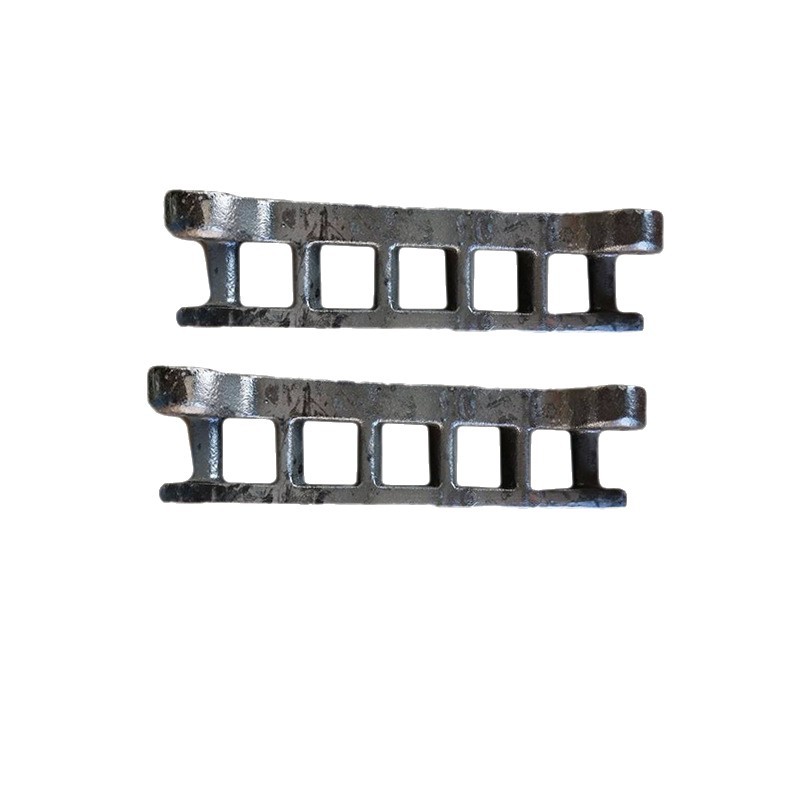
The Role of Rackbar in Driving Coal Cutter Performance
Precision Force Transmission
The rackbar’s main job is to transfer drive force from the cutting motor to the hauling system with as little energy loss as possible. Even small problems in this transfer chain can waste a lot of power over the course of a full shift in coal cutting tools. A well-made rackbar with precise tooth shape and tight specs keeps the contact with the drive gear smooth and consistent. This lowers the heat generation and mechanical resistance that would otherwise slow down production.
Structural Integrity Under High Load
Extreme impact loads, shaking, and sharp wear happen to mechanical parts in coal cutting settings. In these situations, the rackbar must keep its shape and size stable. When alloy steel is heated to the right temperature, it gives the rackbar the hardness it needs to fight wear on the outside while still being tough enough inside to take a hit without breaking. This mix between toughness and hardness is what makes a good rackbar and one that breaks too soon under real mining loads.
Compatibility with Haulage System Design
The rackbar does not function in isolation — its geometry must align precisely with the haulage chain and pinion configuration of the specific coal cutter model. Mismatched tooth pitch or incorrect profile angles introduce backlash, accelerated wear, and vibration that degrade overall system efficiency. Custom-manufactured rackbars, designed to the exact specifications of the machine, eliminate these compatibility issues and allow the haulage system to operate at its intended performance level from the first deployment.
How Rackbar Material Selection Directly Affects Operational Efficiency
Why Alloy Steel Is the Standard Choice
Rackbar components in coal cutting applications are typically manufactured from alloy steel, selected for its combination of high tensile strength, good wear resistance, and machinability. The alloying elements — commonly chromium, molybdenum, or nickel — improve hardenability, allowing the finished rackbar to achieve a hard, wear-resistant surface through heat treatment while maintaining a tough core. This material profile suits the cyclic loading and abrasive contact conditions found in longwall and continuous mining equipment.
Heat Treatment and Surface Performance
Heat treatment processes such as quenching and tempering or case hardening are applied to the rackbar to develop the surface hardness required for sustained engagement with the drive pinion. A properly heat-treated rackbar maintains tooth profile accuracy over a longer service life, which means fewer planned replacements and less unscheduled downtime. In high-production mining operations, extending the service interval of a rackbar by even a modest margin translates directly into measurable efficiency gains across a full operational cycle.
Material Traceability and Quality Verification
For customers sourcing customized rackbar components, material traceability — the ability to verify the chemical composition and mechanical properties of the alloy steel used — is an important quality assurance requirement. Certified mill test reports, incoming material inspection, and in-process hardness testing provide the documentation needed to confirm that each rackbar meets the specified material standard before it enters service. This level of quality control protects the end user from premature failures caused by substandard raw material.
Customization and Lead Time Considerations for Rackbar Supply
Engineering Custom Rackbar Specifications
Many coal cutter models, particularly older or less common machines, require rackbar components that are not available as standard catalogue items. In these cases, customers provide engineering drawings or sample components, and the manufacturer produces the rackbar to match. The engineering review process — covering tooth profile, pitch, overall length, bore dimensions, and material specification — is a critical step that determines whether the finished rackbar will perform correctly in the application. Thorough drawing confirmation at the outset reduces the risk of costly rework later in the production process.
Production and Delivery Timelines
Lead times for custom rackbar production vary depending on component complexity, the extent of drawing review required, and current production scheduling. Standard custom orders are typically completed within a reasonable timeframe, though components requiring multiple rounds of drawing confirmation or complex machining sequences may take longer. Customers with urgent replacement needs are encouraged to communicate timelines early so that production planning can be adjusted accordingly. Clear communication at the inquiry stage helps both parties align on realistic delivery expectations.
Inspection and Pre-Shipment Verification
Before dispatch, finished rackbar components are subject to dimensional inspection, surface hardness checks, and visual examination to confirm that they meet the agreed specification. For customers with specific quality requirements — such as inspection reports, material certificates, or third-party inspection — these can be arranged during the order confirmation process. Pre-shipment verification reduces the likelihood of receiving non-conforming parts and supports smoother incoming quality control at the customer’s facility.
Conclusion
The rackbar is a mechanically critical component whose design, material quality, and manufacturing precision have a direct bearing on coal cutter system efficiency and reliability. Alloy steel construction, careful heat treatment, and accurate custom machining are the foundation of a rackbar that performs consistently under the demanding conditions of underground coal mining. Sourcing from a manufacturer with strong engineering capability and process control reduces operational risk and supports long-term equipment performance.
FAQ
Q1: What material is a rackbar typically made from?
Rackbars for coal cutting equipment are typically manufactured from alloy steel, selected for its high strength, wear resistance, and ability to achieve good surface hardness through heat treatment.
Q2: How does a worn rackbar affect coal cutter efficiency?
A worn rackbar introduces backlash and irregular engagement with the drive pinion, increasing energy consumption, generating vibration, and accelerating wear on connected components. Replacing a worn rackbar promptly restores haulage efficiency.
Q3: Can rackbars be customized for specific coal cutter models?
Yes. Custom rackbars can be produced to match the exact tooth pitch, profile, length, and bore dimensions of a specific machine based on customer drawings or sample components.
Q4: What quality checks should be performed on a rackbar before installation?
Dimensional verification against the drawing, surface hardness testing, and visual inspection for machining defects are standard checks before installing a replacement rackbar.
Q5: How long does it take to source a custom rackbar?
Lead time depends on component complexity and drawing confirmation requirements. Customers are advised to initiate inquiries early, particularly for components requiring multiple design review rounds, to allow sufficient production time.
Partner with Huan-Tai for Reliable Rackbar Supply
At Xian Huan-Tai Technology and Development Co., Ltd., we have spent 30 years manufacturing customized mechanical parts for mining, engineering, and heavy equipment applications — including precision rackbars built to your exact specifications. Our engineering team works closely with your technical requirements, and our production and inspection team ensures quality at every stage. If you are sourcing rackbar components or other non-standard mechanical parts, we would be glad to discuss your needs. Contact us: inquiry@huan-tai.org.
References
- Peng, S. S. (2006). Longwall Mining (2nd ed.). Society for Mining, Metallurgy, and Exploration.
- Hustrulid, W., & Bullock, R. L. (Eds.). (2001). Underground Mining Methods: Engineering Fundamentals and International Case Studies. Society for Mining, Metallurgy, and Exploration.
- Nienhaus, K., & Kogelmann, W. (2010). Development of cutting and loading systems for coal mining. Mining Technology, 119(2), 77–84.
- Gao, K., & Liu, S. (2015). Theoretical and experimental research on hard rock cutting with cutting tooth and rackbar interaction in shearer haulage units. International Journal of Rock Mechanics and Mining Sciences, 73, 44–52.
- Ralston, J. C., Reid, D. C., Dunn, M. T., & Hainsworth, D. W. (2014). Longwall automation: Delivering enabling technology to achieve safer and more productive underground mining operations. International Journal of Mining Science and Technology, 24(6), 865–876.
