
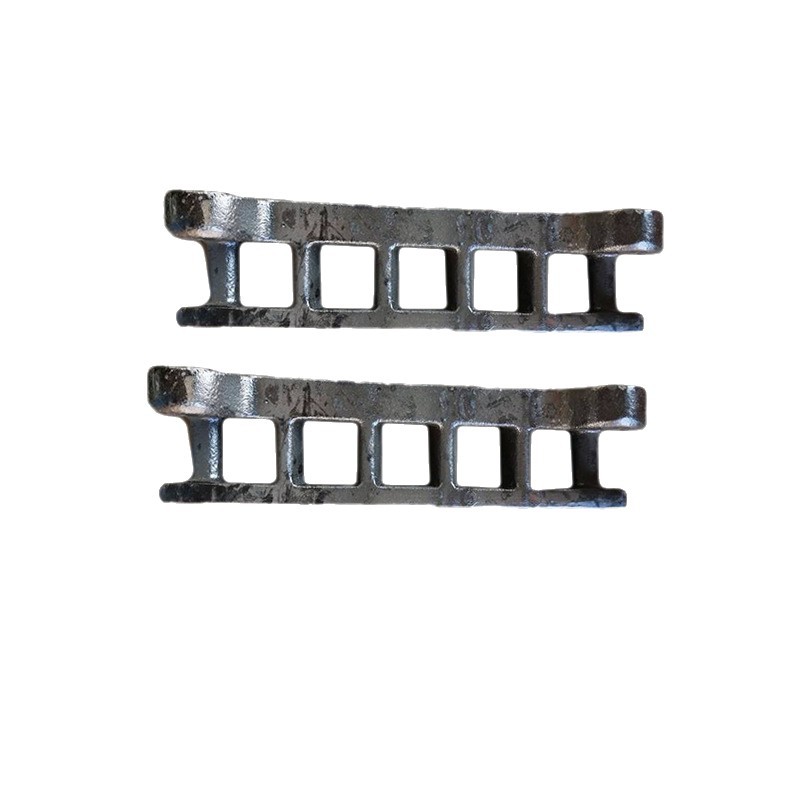
In underground coal mining, the rackbar is the mechanical backbone of the coal cutter’s traction system — the component that drives the machine along the face and transmits the forces needed for consistent, controlled cutting. Choosing the right rackbar design and material for your equipment directly affects cutting speed, machine stability, and component service life. This article explains why rackbar technology deserves serious attention from anyone responsible for coal cutter performance and maintenance costs.
Why Rackbar Design Determines Coal Cutter Performance
Precise Traction Control Across the Coal Face
The rackbar engages the cutter’s drive pinion to control forward and reverse movement along the face conveyor. Precision in tooth profile and pitch is what determines how smoothly and responsively the machine tracks. A rackbar with accurate gear geometry maintains consistent engagement under load, reducing vibration transmitted into the cutter body and improving operator control. For operations running continuous miners or shearers on challenging seam profiles, this translates directly into more consistent cut depth and less wasted machine time.
Load Transmission and Structural Reliability
During cutting operations, the rackbar bears substantial dynamic loads — both from traction forces and from the lateral forces generated as the cutting drum works through varying coal hardness. Rackbar components manufactured from alloy steel carry these loads reliably because alloy steel provides the combination of tensile strength, toughness, and fatigue resistance that sustained underground mining service demands. A structurally reliable rackbar keeps the cutter on the face and producing, rather than sidelined for component replacement.
Compatibility With the Machine’s Drive System
A rackbar that is correctly specified for the cutter’s drive pinion geometry and face conveyor pitch delivers seamless power transmission without premature wear at the contact points. Mismatched geometry — even small deviations in tooth angle or module — accelerates wear on both the rackbar and the drive pinion, shortening the service life of both components simultaneously. Getting the specification right from the outset, with engineering support from the parts supplier, protects the entire drive system investment.
Material and Manufacturing Quality in Rackbar Components
Why Alloy Steel Is the Standard Material Choice
Rackbar components for coal cutters are typically manufactured from alloy steel, selected for its ability to meet the combined demands of high surface hardness and strong core toughness. Surface hardness resists the abrasive wear generated at the tooth contact interface during continuous operation. Core toughness prevents the brittle fracture that could result from impact loading when the cutter encounters hard inclusions or roof falls. This balance of properties is what makes alloy steel the reliable, widely accepted material for rackbar manufacture in underground mining equipment.
Heat Treatment and Surface Integrity
The performance of an alloy steel rackbar is heavily influenced by the heat treatment applied after machining. Proper case hardening or through-hardening — carried out to controlled temperature and quench specifications — develops the surface hardness and subsurface toughness that the component needs to perform in service. A rackbar that has been inadequately heat-treated will wear rapidly at the tooth flanks regardless of the base alloy grade. When evaluating suppliers, understanding their heat treatment process and quality verification steps is as important as knowing the material specification.
Dimensional Accuracy and Inspection Standards
Rackbar tooth profile accuracy is not a secondary concern — it directly determines how the component performs in engagement with the drive pinion. Suppliers with in-house inspection capability, including gear tooth profile measurement and pitch verification, can confirm that each rackbar meets the dimensional specification before it leaves the factory. For mining operations where a single component failure can halt face production, this level of manufacturing quality control is the difference between a reliable supply relationship and a recurring maintenance problem.
Planning Your Rackbar Supply for Uninterrupted Production
Matching Rackbar Specification to Your Cutter Model
Coal cutter models vary in drive pinion geometry, face conveyor pitch, and traction system design — meaning that rackbar specifications are not interchangeable across different equipment types. Working with a supplier who can review your technical drawings or equipment data and confirm the correct specification before production begins prevents costly mismatches. For operations running older or less common cutter models, custom rackbar production to drawing is often the most reliable path to sourcing parts that fit and perform correctly.
Understanding Lead Times for Custom Rackbar Parts
Standard rackbar profiles for common cutter models can typically be sourced within a workable timeframe. Custom rackbar components — particularly those requiring drawing confirmation, specific alloy steel grades, or non-standard tooth geometry — involve production steps that take longer, depending on schedule and process requirements. Planning your inventory around realistic lead times, and communicating your requirements to your supplier well in advance of need, keeps face operations running without supply-chain-driven stoppages.
Building a Reliable Supply Relationship
For underground coal operations where rackbar condition is directly tied to face utilization, the consistency of your parts supplier matters as much as the quality of any individual component. A supplier with stable production capability, clear quality documentation, and responsive technical support gives operations managers the confidence to plan maintenance intervals accurately. Over time, a strong supply relationship for rackbar and related drive components reduces both the administrative burden of sourcing and the operational risk of unexpected parts shortages.
Conclusion
Rackbar technology is central to coal cutter reliability, traction performance, and total maintenance cost. Alloy steel construction, precise heat treatment, and accurate tooth geometry are the foundations of a rackbar that performs through its full intended service life. Pair quality components with a proactive supply strategy, and the rackbar becomes a well-managed variable rather than a source of unplanned production stoppages.
FAQ
Q1: What material is a coal cutter rackbar typically made from?
Rackbar components are manufactured from alloy steel, chosen for its combination of surface hardness and core toughness under the dynamic loads generated during coal cutting operations.
Q2: How do I know when a rackbar needs replacing?
Visible tooth wear, pitting on tooth flanks, increased drive noise, or inconsistent cutter traction are the main indicators. Regular inspection during scheduled maintenance intervals is the best way to catch wear before it causes failure.
Q3: Can rackbar components be custom-manufactured to drawing?
Yes. Experienced manufacturers can produce rackbar parts to customer-supplied drawings or from equipment data for non-standard or older cutter models. Lead times depend on drawing confirmation and production requirements.
Q4: Does rackbar tooth profile accuracy affect drive pinion wear?
Directly. A rackbar with inaccurate tooth geometry creates uneven load distribution at the engagement interface, accelerating wear on both the rackbar and the drive pinion simultaneously.
Q5: How far in advance should I order replacement rackbar parts?
For standard profiles, a reasonable lead time applies. For custom or non-standard specifications, order well ahead of your projected replacement date to allow for drawing review and production scheduling.
Source Rackbar Components From a Manufacturer With 30 Years of Industry Experience
At Xian Huan-Tai Technology and Development Co., Ltd., we supply customized mechanical parts to mining operations worldwide that demand precision, durability, and consistent quality. Our engineering team works directly from your drawings or equipment specifications, and our production team manages quality at every stage — from alloy steel selection through heat treatment to final dimensional inspection. Whether you need standard or fully custom rackbar components, we deliver with the reliability your operation depends on. Contact us at inquiry@huan-tai.org — let’s discuss your requirements today.
References
- Peng, S. S. (2008). Coal Mine Ground Control (3rd ed.). Department of Mining Engineering, West Virginia University.
- Fiscor, S. (2012). Longwall mining advances drive productivity gains in underground coal. Coal Age, 117(4), 28–33.
- Boldt, C. M. K., & Briggs, C. A. (2003). SME Mining Engineering Handbook (3rd ed.). Society for Mining, Metallurgy, and Exploration.
- Bloch, H. P., & Geitner, F. K. (2012). Practical Machinery Management for Process Plants: Machinery Failure Analysis and Troubleshooting (4th ed.). Elsevier.
- Nienhaus, K., Hcucke, R., & Rattmann, L. (2011). Development trends in cutting and winning technology for coal and soft rock. Mining Report, 147(1–2), 44–53.
