
In underground coal mining, positional accuracy and mechanical reliability are inseparable from productivity. The Rackbar is the component that makes controlled, precise shearer travel possible along the face conveyor — and its quality directly determines how consistently the machine cuts, how smoothly it traverses, and how long it operates before requiring maintenance. For mining equipment managers and procurement teams, understanding what makes a rackbar perform matters as much as knowing when to replace one.
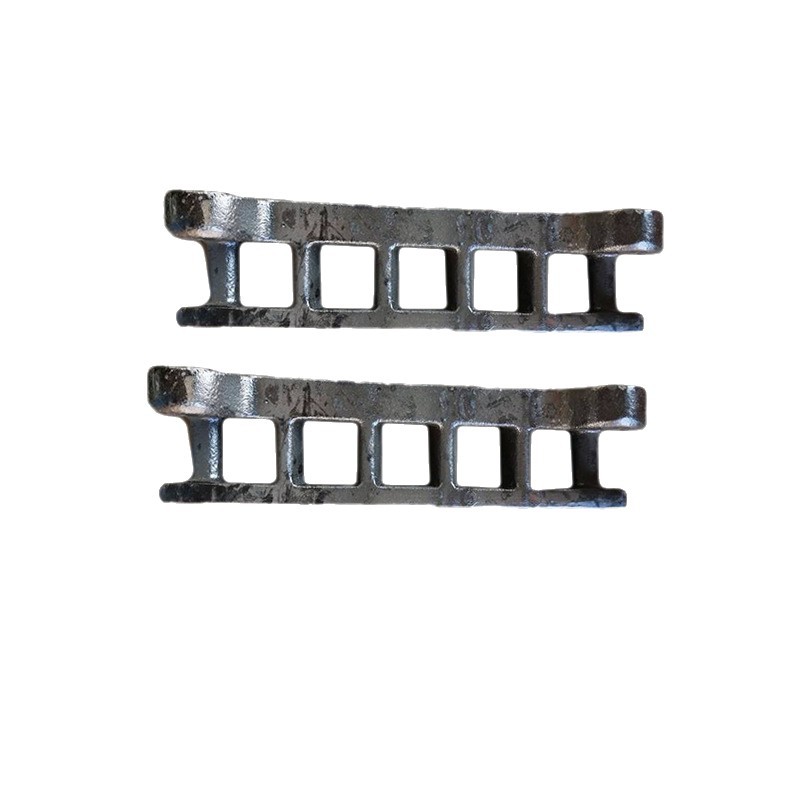
The Mechanical Role of a Rackbar in Shearer Operation
Driving Controlled Shearer Movement
The Rackbar serves as the traction interface between the shearer’s drive sprocket and the armored face conveyor (AFC) pan line. As the drive sprocket engages the rackbar’s teeth, it converts rotational motor output into precise linear travel along the coal face. This tooth-to-sprocket engagement must be geometrically consistent across every link — any dimensional deviation introduces positioning error, uneven load distribution, and accelerated wear that compounds over time in high-cycle mining operations.
Maintaining Positional Accuracy Under Load
Underground coal shearers operate under dynamic and highly variable cutting loads. As the cutting drum encounters harder rock bands or changes in seam thickness, load spikes transmit directly through the drive system into the Rackbar. A rackbar manufactured from high-quality cast steel with excellent toughness and strength absorbs these load variations without deforming tooth geometry, preserving the positional accuracy that automated face alignment systems depend on for cutting height control and roof management.
Structural Integrity in Underground Conditions
The underground environment subjects mining components to moisture, coal dust, mechanical shock, and continuous vibration simultaneously. A Rackbar built to perform in these conditions must combine structural rigidity with resistance to the kind of progressive surface degradation that shortens service life in poorly specified components. Precise processing and casting that can withstand high-load equipment operation — combined with straightforward installation design — ensures that rackbars remain dimensionally stable and functionally reliable throughout their operational cycle.
Material and Manufacturing Factors That Determine Performance
Why Cast Steel Is the Right Material Choice
The load profile of a coal shearer Rackbar — combining traction force, impact, and bending stress at the tooth root — demands a material with high tensile strength and impact toughness together. Cast steel satisfies both requirements, delivering the structural properties needed to maintain tooth geometry under sustained load without the brittleness that would make harder but less tough materials vulnerable to sudden fracture. Proper alloy composition and heat treatment further refine the balance between surface hardness and core toughness that field performance requires.
Precision Casting and Tooth Profile Accuracy
A rackbar‘s functional performance is only as good as its dimensional accuracy. The tooth pitch, profile geometry, and link-to-link alignment must all fall within tight tolerances for the sprocket engagement to remain smooth and consistent across the full face length. Huan-Tai’s production team applies strict process controls throughout casting and machining, verifying critical dimensions against engineering specifications at multiple stages to ensure every Rackbar meets the accuracy standards that precision shearer drive systems require.
Ease of Replacement and Long Service Life
Underground maintenance windows are costly and operationally disruptive. A Rackbar designed with straightforward installation geometry — standardized connection interfaces and accessible fastening points — reduces the time required to swap worn sections during scheduled maintenance. Combined with a long service life enabled by high-quality cast steel construction, this design philosophy reduces both maintenance frequency and the labor cost per maintenance event, delivering tangible operational savings over the life of the equipment.
Sourcing a Rackbar: What Procurement Teams Should Prioritize
Matching Specifications to Shearer and AFC Models
Rackbar configurations vary across different shearer manufacturers and AFC designs. Tooth pitch, link dimensions, mounting interface geometry, and material grade must all align with the specific equipment platform. A supplier with genuine engineering capability can work from OEM specifications or worn part samples to produce accurate replacements — particularly important for older face equipment where original manufacturer support may be limited. Confirming technical compatibility before ordering prevents costly mismatches that delay production restarts.
Realistic Lead Times for Standard and Custom Orders
Standard Rackbar configurations for well-documented shearer platforms can typically be fulfilled within a practical timeframe. Customized or non-standard designs — particularly those requiring iterative drawing confirmation, special material specifications, or complex machining sequences — involve longer production cycles due to the technical review process and process requirements. A trustworthy supplier communicates these timelines honestly at the quotation stage, giving maintenance planners the information they need to manage inventory and schedule face moves without surprises.
Quality Verification Before Deployment
For mining operations with formal maintenance management systems, incoming inspection of Rackbar components should include dimensional verification, material certification review, and visual inspection for casting defects. A supplier that provides full documentation — including material test reports and dimensional inspection records — gives maintenance engineers the confidence to approve components before they go underground, where discovering a quality problem is far more disruptive than catching it at goods receipt.
Conclusion
The Rackbar is a foundational component in coal shearer precision — its dimensional accuracy, material strength, and service durability determine how reliably the machine performs across every production shift. For mining operations where face productivity directly drives site economics, sourcing rackbars from a supplier with genuine manufacturing capability and rigorous quality control is a straightforward investment in operational consistency.
FAQ
Q1: What material is a coal shearer Rackbar typically made from?
Quality rackbars are manufactured from cast steel, selected for its combination of tensile strength, impact toughness, and dimensional stability under the dynamic loads of shearer operation.
Q2: How do I know when a Rackbar needs replacing?
Visible tooth wear, pitch elongation, cracked links, or increased drive noise during shearer travel are all indicators that inspection or replacement is warranted.
Q3: Can Rackbars be customized for non-standard or older equipment?
Yes. Suppliers with engineering capability can produce rackbars from drawings or worn part samples for equipment platforms where standard replacements are unavailable.
Q4: What affects lead time for Rackbar orders?
Standard configurations ship faster; customized designs requiring drawing confirmation, special material sourcing, or complex machining take longer depending on technical complexity.
Q5: What documentation should accompany a Rackbar shipment?
Material certifications, dimensional inspection records, and casting quality reports are standard documentation that reputable suppliers provide with each order.
Partner with Huan-Tai for Mining-Grade Rackbar Supply
Xian Huan-Tai Technology and Development Co., Ltd. brings 30 years of manufacturing experience to mining and engineering mechanical parts — including customized Rackbar solutions for coal shearer applications. Our technical team works from your specifications to ensure dimensional and material accuracy, while our production team maintains quality at every stage from casting to final inspection. If you’re sourcing rackbars for active face equipment or building replacement inventory, we’re ready to support you. Please contact us at inquiry@huan-tai.org to learn more information about rackbar.
References
- Peng, S. S. (2006). Longwall Mining (2nd ed.). West Virginia University.
- Hustrulid, W., & Bullock, R. L. (Eds.). (2001). Underground Mining Methods: Engineering Fundamentals and International Case Studies. Society for Mining, Metallurgy and Exploration (SME).
- Koehler, J., & Stroh, R. (2003). A Practical Guide to the Selection and Application of Longwall Equipment. University of New South Wales Press.
- Singh, R. D. (2004). Principles and Practices of Modern Coal Mining. New Age International Publishers.
- Barczak, T. M., & Tadolini, S. C. (2008). Longwall Ventilation and Face Support Interaction: A Review of Ground Control Challenges. Mining Engineering, 60(4), 43–51.
- Hartman, H. L., & Mutmansky, J. M. (2002). Introductory Mining Engineering (2nd ed.). John Wiley & Sons.
