
Precision screws are used to hold together intricate industrial structures that have to withstand high loads, vibrations, and alignment needs that regular fasteners can’t handle. This book explains how precision screws are planned, made, and tested to make sure they work reliably. This helps engineering teams choose the right tool for complicated mechanical systems and building projects.
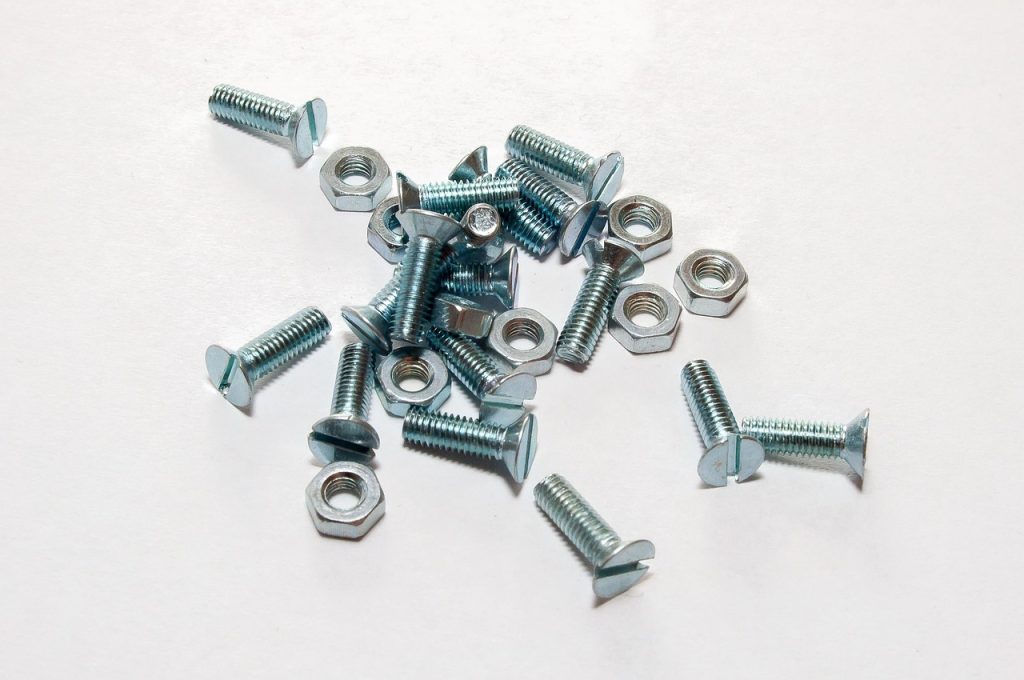
Designing for Precision Screws in Complex Industrial Assemblies
Structural Load and Fit Considerations
When specifying precision screws, it is important to pay close attention to fit and stress distribution because industrial structures are often very complicated and have uneven shapes, small gaps, and changing load lines. When engineers look at structural drawings, they usually think about how each fastening point distributes force throughout the assembly. This is because even well-made precision screws won’t work well if the design around them puts uneven stress on a single connection point.
Material Selection for Structural Compatibility
The structure that precision screws hold up has a lot to do with the material that is chosen for them, since different industrial uses need different mixes of strength, weight, and resistance to external factors. When manufacturers can make complex structure parts out of more than one material, engineers can choose the exact Precision Screws they need for the job, instead of having to make design compromises because of limited material supply from a smaller source.
Tolerance Requirements in Complex Geometries
Tight tolerances become increasingly important as structural geometry grows more complex, since misaligned threads or inconsistent dimensions compound across multi-point assemblies. Precision screws intended for intricate industrial structures require dimensional accuracy that holds steady across an entire production batch, allowing engineers to design assemblies with confidence that precision screws installed at every connection point will perform identically once fitted across the full structure.
Manufacturing Processes Behind Reliable Precision Screws
Multi-Material Machining Capabilities
To make Precision Screws for a variety of industrial uses, you need to be able to work with a lot of different materials and structural configurations, from normal carbon steel to metals that are better for certain loads or environments. A company that can make both standard precision screws and complex structural parts in the same building makes it easier for engineering teams to source materials for multiple projects because they don’t have to go from one supplier for each type of material.
Achieving High Accuracy and Adaptability
High part accuracy and strong adaptability define what separates dependable precision screws from generic stock fasteners. Manufacturers that maintain precise dimensional control while remaining flexible enough to adjust thread pitch, length, or head configuration give engineering teams the ability to specify Precision Screws for unusual or legacy structures without settling for an imperfect standard-catalog substitute.
Customization Workflow From Drawing to Production
Custom precision screws typically move from drawing review through specification confirmation before entering production, and turnaround naturally varies with design complexity rather than following one fixed timeline. Straightforward precision screws specifications generally move through this workflow efficiently, while structures requiring repeated drawing revisions or specialized tooling take longer, so engineering teams benefit from discussing realistic project timelines directly with their manufacturer early in planning.
Performance and Long-Term Reliability of Precision Screws in Industrial Use
Maintaining Structural Integrity Under Load
Complex industrial structures depend on precision screws maintaining consistent clamping force across vibration, thermal cycling, and repeated mechanical stress over extended service periods. Precision screws that loosen or deform under sustained load compromise the entire structure’s integrity, which is why dimensional consistency and appropriate material selection matter as much during long-term operation as they do during initial installation.
Quality Verification Before Deployment
Strict quality control throughout production helps confirm that precision screws meet required dimensional and material standards before shipment, with test reports available to verify compliance on request. Engineering teams sourcing Precision screws for critical structural applications benefit from working with manufacturers that inspect quality at multiple production stages rather than relying solely on a single final check before delivery.
Supporting Maintenance and Replacement Cycles
Over time, structural maintenance often requires replacing precision screws without disassembling an entire assembly, making dimensional consistency between original and replacement precision screws essential. Manufacturers that retain accurate production records and can reproduce exact specifications for repeat orders help engineering teams maintain structural reliability across the full operational lifespan of complex industrial equipment.
Conclusion
Precision Screws play a foundational role in holding complex industrial structures together reliably under demanding conditions. Careful material selection, tight tolerance control, and consistent quality verification help engineering teams source Precision Screws that perform predictably across every stage of a structure’s service life, from initial installation through years of continued operation.
FAQ
Q1: What makes Precision Screws different from standard fasteners?
A: Precision Screws hold tighter dimensional tolerances, supporting reliable performance in complex, load-sensitive industrial structures.
Q2: Can Precision Screws be manufactured from different materials?
A: Yes, Huan-Tai processes a wide range of materials to produce Precision Screws suited to varied structural requirements.
Q3: How long does custom Precision Screws production take?
A: Timelines vary with design complexity; straightforward specifications generally move faster than heavily customized designs.
Q4: How is quality verified on Precision Screws orders?
A: Quality is managed throughout production, with test reports available to confirm dimensional and material compliance.
Q5: Are Precision Screws suitable for legacy equipment replacement?
A: Yes, custom Precision Screws can be manufactured to match original specifications for accurate replacement parts.
Partner with Huan-Tai for Reliable Precision Screws
Since the mid-1990s, Xian Huan-Tai Technology and Development Co., Ltd. has supplied customized non-standard mechanical parts to engineering customers worldwide. Backed by 30 years of experience, a dedicated production and inspection team, and technical engineers ready to match your exact drawings and performance requirements, we make sourcing dependable Precision Screws straightforward from inquiry through delivery. Have a specification to share? Contact inquiry@huan-tai.org and let’s discuss your project today.
References
Juvinall, Robert C., and Kurt M. Marshek. Fundamentals of Machine Component Design.
Shigley, Joseph E., and Charles R. Mischke. Mechanical Engineering Design.
Bickford, John H. An Introduction to the Design and Behavior of Bolted Joints.
Oberg, Erik, et al. Machinery’s Handbook.
Parmley, Robert O. Standard Handbook of Fastening and Joining.
