
One of the most important decisions a maintenance or purchase manager will have to make is between manganese steel and chrome steel when choosing jaw plates for a crusher. The majority of hard-rock breaking uses use a manganese steel jaw plate because of its superior toughness and work-hardening behavior when subjected to repeated impact. Chrome steel, on the other hand, has a higher starting strength and is less likely to wear down in certain low-impact, rough circumstances. When buyers know the differences, they can choose the right material for the way they work.
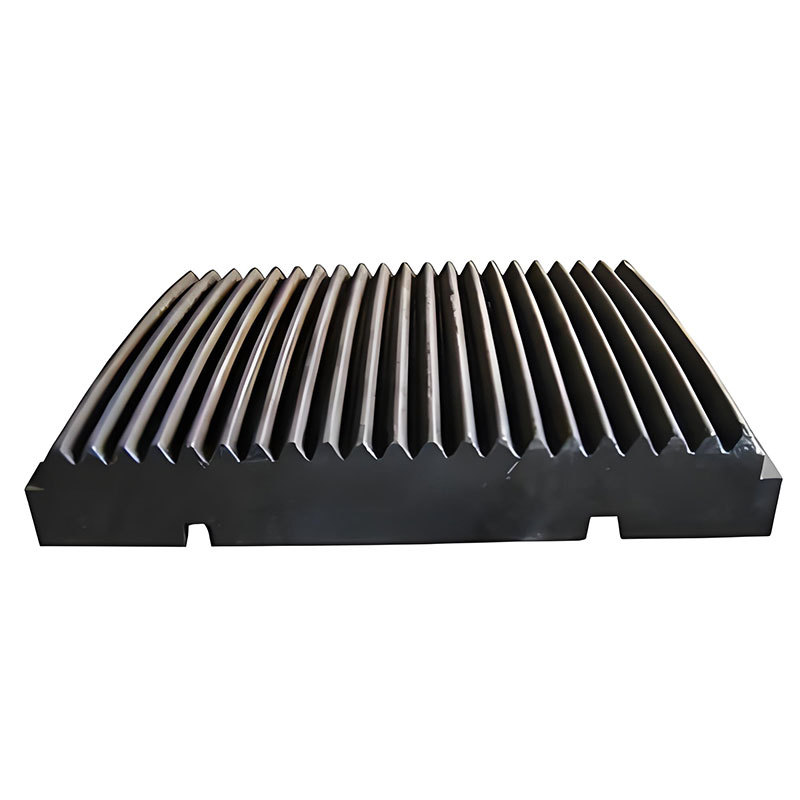
What Are the Core Material Differences?
How Manganese Steel Behaves Under Impact
A manganese steel jaw plate is made from austenitic high manganese steel, which usually has 11–14% manganese. This type of steel has a unique mechanical property: it gets harder over time as it takes repeated hits. When it is crushed, the top gets much harder, but the heart stays tough and doesn’t break, even when hard, rough rock is being worked on. Because the manganese steel jaw plate is both hard on the outside and flexible on the inside, it can withstand the reaction forces that are created during fragmentation without cracking or breaking when it is loaded.
Chrome Steel Characteristics and Hardness Profile
When they are first made, chrome steel jaw plates are harder than manganese steel. This is because chrome steel is often made from high-chromium white iron or chromium alloy steel. This initial hardness gives them an edge in situations with low impact and high abrasion, where surface abrasion rather than contact is the main way they wear down. Chrome steel, on the other hand, is not as tough as high manganese steel, and it breaks more easily when it is hit with a heavy shock. This brittleness can cause plates to crack in ways that were not expected when hard or oddly shaped rock is crushed at a high rate.
Corrosion Resistance and Environmental Suitability
Both materials are pretty good at resisting rust in normal mining conditions, but high manganese steel is better when it’s wet or when chemicals are being used that are harsh. This is because it has an austenitic microstructure. A manganese steel jaw plate keeps its mechanical integrity even after being wet for a long time. This is useful for quarries and deep mining, where water contact is inevitable. Proper anti-rust surface treatment during making stretches the service window even more before any surface rusting happens, especially when the item is stored for a long time or shipped by ocean to a customer abroad.
Which Material Suits Which Application?
Hard Rock and High-Impact Crushing
In most of the business, manganese steel jaw plates are the best for initial jaw breaking of granite, basalt, hard limestone, and other similar types of rock. High compressive force, frequent impact, and rough touch are exactly what make work-hardening work best when hard rock is being broken. A manganese steel jaw plate made from high-quality steel with the right amount of manganese and the right heat treatment hardens quickly in use. This makes the plate last longer and keeps the same breaking shape for longer.
Abrasive but Low-Impact Materials
When working with softer, more gritty materials at smaller feed sizes and less impact strength, chrome steel jaw plates work best. High-chrome plates are a good way to work with sand, some soft ores, and friable materials that wear down mostly by rolling rather than impacting. Chrome steel has a higher starting hardness, which means it wears less easily than manganese steel, which needs to be hit hard in order to work-harden properly. Instead of using the same material in all crusher setups, buyers should carefully consider the properties of the material they want to give the crusher.
Mixed Feed and Variable Conditions
Some real-life crushing processes have to deal with mixed rock sizes, changes in material during different times of the year, or a mix of different types of metal. When things are like this, the manganese steel jaw plate is usually the better pick. Its toughness keeps it from breaking in a big way when material that is too big or too hard comes into the chamber, and its work-hardening ability lets it adapt pretty well to different impact levels. Chrome steel plates are more likely to break suddenly when the feed conditions change. This can damage the breaker and cause unexpected downtime that costs a lot more than replacing the plates on time.
How Does Manufacturing Quality Affect Jaw Plate Performance?
Casting Process and Internal Soundness
No matter what kind of material it is, the quality of the casting has a big impact on how well the jaw plate works. Internal porosity, flaws caused by shrinking, or inclusions produce stress concentration places that cause cracks to form in the plate before it has worn down to its service limit. A good manganese steel jaw plate needs a well-controlled mold design, the right filling temperature, and enough feeding while it solidifies to get a thick casting with no flaws. At Huan-Tai, casts are carefully checked at every step of the production process to make sure they meet standards for size and quality inside before they are heated and finished.
Heat Treatment for Optimal Properties
After being cast, high manganese steel needs to be solution heat-treated. This removes the carbides that formed during solidification back into the austenite matrix, making the steel tough again and getting rid of the brittleness of the microstructure as it was cast. Even a manganese steel jaw plate that is made according to the right specifications could break in use if it doesn’t get this heat treatment. The heat treatment process is a necessary step for making jaw plates that work the way the material standard says they should. It also makes it clear which suppliers understand metallurgy and which ones don’t.
Custom Dimensions and Lead Time Considerations
It’s not always possible to switch out jaw plates because each type of crusher has its own plate sizes, tooth shapes, and ways of attaching them. Huan-Tai offers custom drawing design, so customers can tell them exactly what sizes of new parts they need for their tools. Production can be finished in a fair amount of time for typical setups. The wait time will be longer for first-time special parts or plans that need more than one round of drawing proof. Getting in touch with the technical team early on helps avoid delays. ISO 9001 approval is used to oversee production, and quality checks are written down for every batch.
Conclusion
When picking jaw plates, knowing how they will be crushed is what makes manganese steel or chrome steel better. For most hard-rock and high-impact tasks, a manganese steel jaw plate is tough and works hardens over time. Chrome steel, on the other hand, is better for low-impact, high-abrasion situations. Whether either material lasts as long as it could in the field depends on how well it was made, including how well it was cast, heated, and measured.
FAQ
Why is a manganese steel jaw plate better for breaking up hard rocks?
Its work-hardening behavior makes the surface harder when it is hit, but the core stays tough, so it doesn’t break when granite, basalt, and other hard materials are crushed.
Does a manganese steel jaw plate need to be heated in a certain way?
Yes. Solution heat treatment is needed to get rid of casting carbides and make the plate tough again; without it, the plate is weak and likely to break early.
Can jaw plates be made in any size I need?
Huan-Tai does accept customer plans and can make special jaw plates for crusher types that aren’t standard. Before production starts, engineering will look over the plates to make sure they meet all the requirements.
How long does it take to make jaw plates that are just right for me?
Standard parts can usually be made in a reasonable amount of time. Lead times may be longer for complex special setups that need drawing changes.
What quality rules are in place for making jaw plates?
ISO 9001 approval is used to oversee production, and there are review spots at every stage, from the receipt of raw materials to the final check of dimensions before shipping.
Need Reliable Jaw Plates for Your Crusher?
Xian Huan-Tai Technology and Development Co., Ltd. has been making special, non-standard mechanical parts for mining and industrial uses for more than 30 years. From casting to final review, our skilled production team is in charge of quality, and our technical team works with your exact instructions to meet performance needs. We consistently offer manganese steel jaw plates that meet your needs, whether you need regular shapes or unique ones. Email your question to: inquiry@huan-tai.org.
References
- Wills, B. A., & Finch, J. A. (2016). Wills’ Mineral Processing Technology: An Introduction to the Practical Aspects of Ore Treatment and Mineral Recovery (8th ed.). Butterworth-Heinemann.
- Xu, W., & Yao, J. (2018). “Work hardening behavior and wear mechanisms of high manganese steel under repeated impact loading.” Wear, 400–401, 58–67.
- Campbell, J. (2015). Complete Casting Handbook: Metal Casting Processes, Metallurgy, Techniques and Design (2nd ed.). Butterworth-Heinemann.
- Riedel, R., & Chen, I. W. (Eds.). (2011). Ceramics Science and Technology, Vol. 2: Materials and Properties. Wiley-VCH. (referenced for comparative hardness and wear data)
- Li, X., & Wang, F. (2019). “Comparative wear performance of high manganese and high chromium cast iron jaw plates in primary crushing applications.” Journal of Materials Processing Technology, 265, 201–213.
- Kalpakjian, S., & Schmid, S. R. (2020). Manufacturing Engineering and Technology (7th ed.). Pearson Education.
