
The hard surface that takes the full force of rock crushing is called a jaw crusher liner plate. It keeps the frame and jaws from getting damaged quickly. To pick the right liner plate, you have to think about the grades of materials, the hardness of the rocks, and the conditions of use. This guide tells you what liner plates are made of, where they work best, and how to choose a durable one.
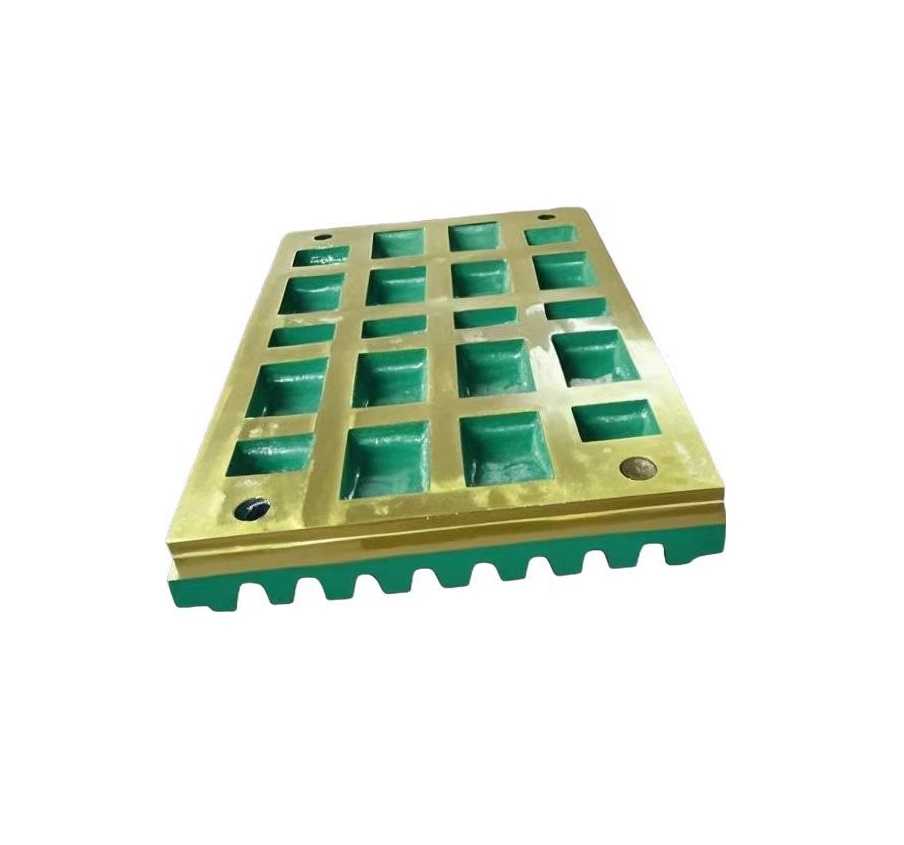
What Materials Make a Jaw Crusher Liner Plate Durable?
High Manganese Steel: The Industry Workhorse
The reason most liner plates are made from high manganese steel is that they work well. This material “work-hardens” when hit over and over, which means that the surface gets tougher as it crushes rock for longer. Heavy impact force can be absorbed by a high manganese steel liner plate without cracking. This directly extends the service life of mining and quarrying machines that work long shifts under tough loads.
High Carbon Steel and Alloy Options
When crushing certain things, a liner plate made of high carbon steel or alloy steel is the best combination of cost and hardness. These grades give you the strength and rigidity you need to handle the force of fragmentation. Good foundries choose the casting grade based on the material that will be crushed and the cycle that will be used. This way, the liner plate fits the actual needs of the machine instead of a general requirement.
Why Material Quality Determines Service Life
Because casting quality is so important, two liner plates can look the same but work very differently. It is hard for rocks to chip a properly cast liner plate made of high-quality steel. It can also handle harder rocks and prevent rust well in wet hole settings. That’s why it’s so important to get your metal from a forge with a lot of experience: bad melting control or sloppy heat treatment can cause soft spots and early failure.
Where Is the Jaw Crusher Liner Plate Used in Real Operations?
Mining and Mineral Processing
In mine, the liner plate has to do the hardest job of all: it has to crush ore right after it is blasted. Iron ore, granite, and basalt hit the jaw’s surface over and over again every hour. A strong liner plate keeps the shape of the crushing chamber stable, which protects the throughput and particle size. This is exactly why mining companies usually only use high manganese grades.
Quarrying and Aggregate Production
The liner plate is important for aggregate makers because it ensures uniform product sizes for materials like concrete, road base, and building stone. Liner plate wear directly affects operating cost per ton because quarries frequently crush abrasive limestone and granite repeatedly. Less downtime is caused by choosing the right tooth profile and material grade, and many quarry managers use liner plate life as a key maintenance metric.
How the Liner Plate Works With Other Crusher Parts
It’s never just the liner plate that works. The main shaft, which is made by casting to be as strong as possible, moves the moving jaw. The high manganese steel toggle plate transfers force and keeps the machine from overworking itself. Tension springs made of spring steel, high-strength steel wire, or carbon steel keep the connection tight. When these parts are put together correctly, the liner plate works at its best.
How Do You Select the Right Liner Plate for Your Crusher?
Match the Material to Your Feed Rock
Begin with the rock itself. For hard, abrasive feed, you need a liner plate made of high manganese steel that hardens when hit. High carbon steel may be a good choice for medium-hard, less abrasive materials. Also think about chemical and wetness exposure. A liner plate that doesn’t rust does much better in wet crushing conditions. Suppliers who are honest will ask about your feed before giving you a quote.
Check Tooth Profile and Fit
Profile is just as important as content. If the teeth on a liner plate aren’t the right shape or curve, they can leave gaps against the jaw, which can lead to vibrations, cracked backing surfaces, and uneven wear. Carefully measure your crusher model or send us the original drawings, and make sure you know where the bolt holes are before you place your order. A liner plate that fits well sits flush, spreads the force of the crushing evenly, and wears evenly across its whole working face.
Evaluate the Supplier’s Engineering and Quality Control
A foundry is the only thing that can make or break a liner plate. Look for providers that have a history of casting, clear testing processes, and the engineering skills to work with custom designs. For non-standard or custom liner plate sales, allow enough time for production. Confirming the drawing, making the pattern, and heat treating all take time, and hurrying through these steps lowers the quality. Clear communication at the start keeps surprises from costing a lot later on.
Conclusion
The right jaw crusher liner plate has the right material choice, the right fit, and reliable casting quality. Grades of high manganese steel and high carbon steel give mining and quarrying the strength, resistance to impact, and resistance to corrosion they need. If you work with a provider with a lot of experience and are honest about how you run your business, your investment in liner plates will pay off in longer service life and less downtime.
FAQs
Q1: What material is best for a jaw crusher liner plate?
High manganese steel is the most common choice because it work-hardens under impact, while high carbon steel suits less abrasive feeds.
Q2: Can a liner plate handle very hard rock?
Yes. Quality cast liner plates offer high strength and rigidity and can be applied to harder rocks like granite and basalt.
Q3: Do liner plates resist corrosion?
Properly cast liner plates show good corrosion resistance, making them suitable for wet or humid crushing environments.
Q4: Can liner plates be customized?
Yes. Custom profiles are made from your drawings, though lead times vary depending on drawing confirmation and process requirements.
Q5: Is the toggle plate made from the same material?
The toggle plate is typically cast from high manganese steel, similar to many liner plates.
Ready to Source Reliable Liner Plates?
With 30 years of industry experience, Xian Huan-Tai Technology and Development Co., Ltd. specializes in customized non-standard mechanical parts for mining and engineering machinery. Our professional production team manages quality through every stage, and our technical team works directly from your drawings to meet your exact performance requirements. Whether you need one replacement liner plate or an ongoing supply program, we deliver stability, consistency, and excellent service. Send your drawings or inquiry today: inquiry@huan-tai.org — let’s crush your sourcing challenges together.
References
- Wills, B. A., & Finch, J. A. Wills’ Mineral Processing Technology: An Introduction to the Practical Aspects of Ore Treatment and Mineral Recovery, 8th Edition.
- Gupta, A., & Yan, D. S. Mineral Processing Design and Operations: An Introduction, 2nd Edition.
- Chenje, T. W., Simbi, D. J., & Navara, E. “Relationship Between Microstructure, Hardness, Impact Toughness and Wear Performance of Selected Grinding Media for Mineral Ore Milling Operations.” Materials & Design.
- Olubambi, P. A., & Potgieter, J. H. “Corrosion and Wear Behaviour of High Manganese Steels in Mineral Processing Applications.” Tribology International.
- Terva, J., Kuokkala, V.-T., & Valtonen, K. “Effects of Compression and Sliding on the Wear and Energy Consumption in Mineral Crushing.” Wear.
