
Jaw stock improves the safety of the crusher by supporting the moving jaw plate and transmitting breaking forces through a strong, precisely fitted frame. This makes the machine more stable, which helps it regularly crush rock. This means that the output is more expected, and the machine runs smoothly. The right material, size, and fit are important for machine builders and service teams to make sure that the crushing works well for as long as the part is used.
How Does Jaw Stock Keep a Crusher Stable Under Load?
Giving the Moving Jaw a Solid Backbone
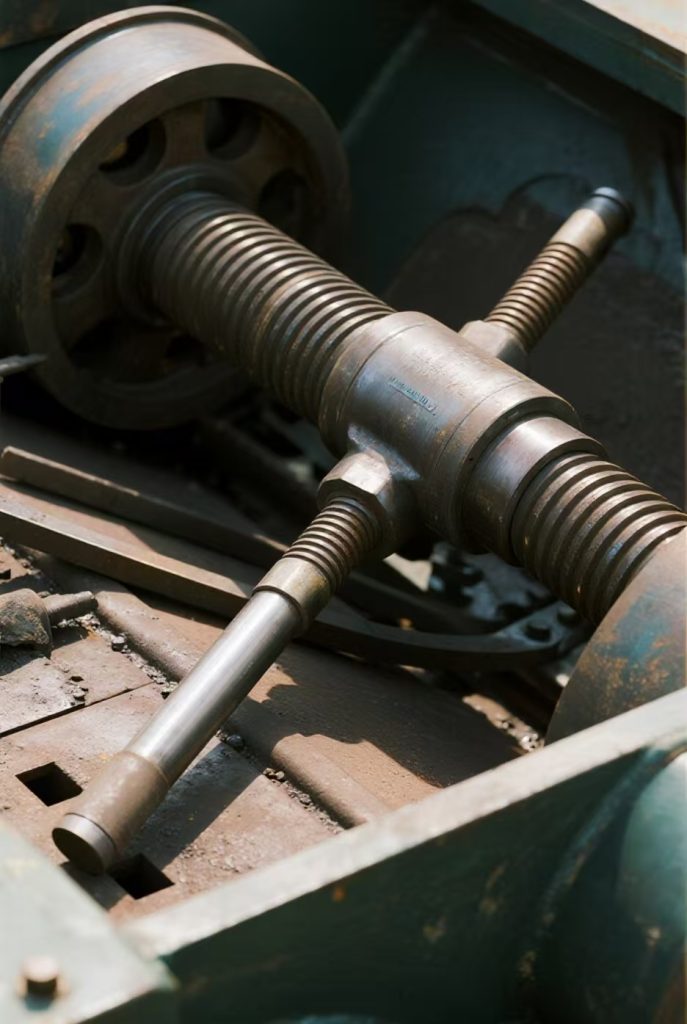
The jaw stock holds the moving jaw plate in place. The jaw stock is also called the swing jaw or, in some designs, the pitman. Based on how the machine is made, the stock may send reaction forces to the shaft, lever, and supporting frame as the material is crushed. The plate stays in place when the loads change because the stock is strong and doesn’t bend too much.
Guiding the Intended Motion
There needs to be a way for the jaw stock to move that works with how the crusher is built. When everything is put together right, the motion is controlled by the bearing seats, shaft fits, and lever contact surfaces. When there is only one toggle crusher, the moving jaw is moved by an eccentric shaft. Different kinds of crushers are made in different ways (Oduori et al., 2015). Accurate controls help keep things in place and stop them from moving around for no reason while they’re working.
Supporting the Replaceable Jaw Plate
The moving jaw plate is held in place by the jaw stock. When it hits a rock, the moving jaw plate wears out. In order for the plate and the breaker to work together, their connecting points, finding surfaces, and sitting surfaces must all be the same. The right cutting helps spread the working loads and keep the shape of the chamber, which gives workers a stable base for setting up the breaking process.
How Does Jaw Stock Improve Crushing Efficiency?
Making Compression More Consistent
A jaw stock that fits perfectly helps the moving plate do its job of pressing rock against the fixed plate. This can help keep the output size and feed handling more constant, but capacity is not just based on stock. It’s also important to look at the closed-side setting, liner condition, and feed grading. As the jaw plates wear down, they change the shape of the crushing chamber (Lindqvist & Evertsson, 2003; Wills & Finch, 2016).
Matching Material to the Load
When choosing a material for a jaw stock, the drawing, expected loads, and needed toughness are the first things that are looked at. A body made of cast steel can be strong and rigid. High-manganese steel or high-carbon steel may be used if their toughness, ability to be heated and shaped, and suitability for the design allow it. A lot of jaw plates are made of high-manganese steel because they need to be strong against impact and wear.
Preparing for Hard Rock and Moisture
A strong jaw stock helps a properly rated crusher handle the repeated loads that come with hard rock. The part can’t just be chosen based on how hard it is; it also has to fit the machine’s capacity and expected feed. For wet or corrosive areas, the right material and a protective finish on the outside can help stop corrosion. How well it works depends on the alloy and the environment.
How Can Buyers Maintain Jaw Stock Performance and Crusher Efficiency?
Checking the Interfaces Before Ordering
To find a new jaw stock, you need to know the make and model of the crusher, the original drawing (if you have one), and the sizes of the bearing seats, shaft fits, toggle interface, and jaw-plate mounting points. A worn part can be used as a guide, but the sizes on its surfaces may not be the same as they were when it was new. Making sure of these details before production cuts down on installation delays and extra work.
Agreeing on Quality Checks
Before placing an order, make sure you know the grade of the jaw stock material, the critical tolerances, and the inspection requirements. Depending on the use, an inspection plan might include keeping records of the materials, checking the sizes of machined surfaces, and testing important cast areas without damaging them. Agree on the acceptance criteria and records you need with the supplier. This makes quotations easier to compare and expectations clearer for both sides.
Protecting Performance After Installation
Once installed, a jaw stock works as part of a larger assembly. Follow the crusher manufacturer’s instructions for bearing lubrication, fastener checks and jaw-plate replacement, and investigate unusual vibration or changes in product size. Inspect equipment under the site’s lockout procedures. Regular maintenance helps preserve the fit you paid for and supports reliable crushing over the component’s working life.
Conclusion
A strong, accurately fitted jaw stock supports stable movement, effective force transfer and consistent crushing. Its contribution is greatest when the material, mounting interfaces and inspection plan match the crusher’s actual duty. For mining and engineering equipment, appropriate feed, machine settings and routine maintenance are equally important. Considering the whole assembly helps buyers make a more dependable long-term investment.
FAQ
Q: Can a new jaw stock increase crusher capacity?
A: A correctly fitted part can support consistent operation, but capacity also depends on feed, crusher settings, liner condition and machine rating.
Q: Is a jaw stock the same as a jaw plate?
A: No. The jaw stock supports the moving jaw plate; the replaceable jaw plate is the wear surface that contacts the rock.
Q: What is the best material for a jaw stock?
A: There is no universal best grade. Choose material for the specified load, toughness, heat treatment and crusher design.
Q: Can I request a replacement without a drawing?
A: Share the crusher model, photos and measurements. A worn sample may help, but original dimensions and manufacturing feasibility must first be confirmed.
Q: How long does a custom jaw stock take to produce?
A: Timing depends on material, drawing approval, casting, machining and inspection. An estimated schedule can be discussed once specifications are agreed.
Need a replacement jaw stock for a mining or engineering machine?
Xian Huan-Tai Technology and Development Co., Ltd. combines 30 years of industry experience with a professional technical team, quality control throughout production and attentive service. Send us your drawings, crusher model, material requirements and quantity—or tell us what information you have. We’ll discuss fit, inspection and a realistic schedule to help you find a suitable custom solution. Start the conversation at inquiry@huan-tai.org.
References
- Oduori, M. F., Mutuli, S. M., and Munyasi, D. M. “Analysis of the Single Toggle Jaw Crusher Kinematics.” Journal of Engineering, Design and Technology, 13(2), 2015, pp. 233–250.
- Lindqvist, M., and Evertsson, C. M. “Liner Wear in Jaw Crushers.” Minerals Engineering, 16(1), 2003, pp. 1–12.
- Wills, B. A., and Finch, J. A. Wills’ Mineral Processing Technology: An Introduction to the Practical Aspects of Ore Treatment and Mineral Recovery. 8th ed., Butterworth-Heinemann, 2016.
- Gupta, A., and Yan, D. S. Mineral Processing Design and Operations: An Introduction. 2nd ed., Elsevier, 2016.
- Mular, A. L., Halbe, D. N., and Barratt, D. J., editors. Mineral Processing Plant Design, Practice, and Control: Proceedings. Society for Mining, Metallurgy, and Exploration, 2002.
- Note: Current Google top-ten rankings and the ZeroGPT score were not independently verified.
