
When selecting materials for jaw stock in heavy-duty machining applications, high-grade alloy steels like 4140 and hardened cast steels emerge as optimal choices. These materials deliver exceptional strength and rigidity, enabling them to withstand significant reactive forces during demanding operations. Cast with high-quality steel compositions including high manganese steel and high carbon steel variants, these jaw stock materials demonstrate superior impact resistance and extended service life, making them ideal for heavy-duty applications requiring reliable workholding solutions.
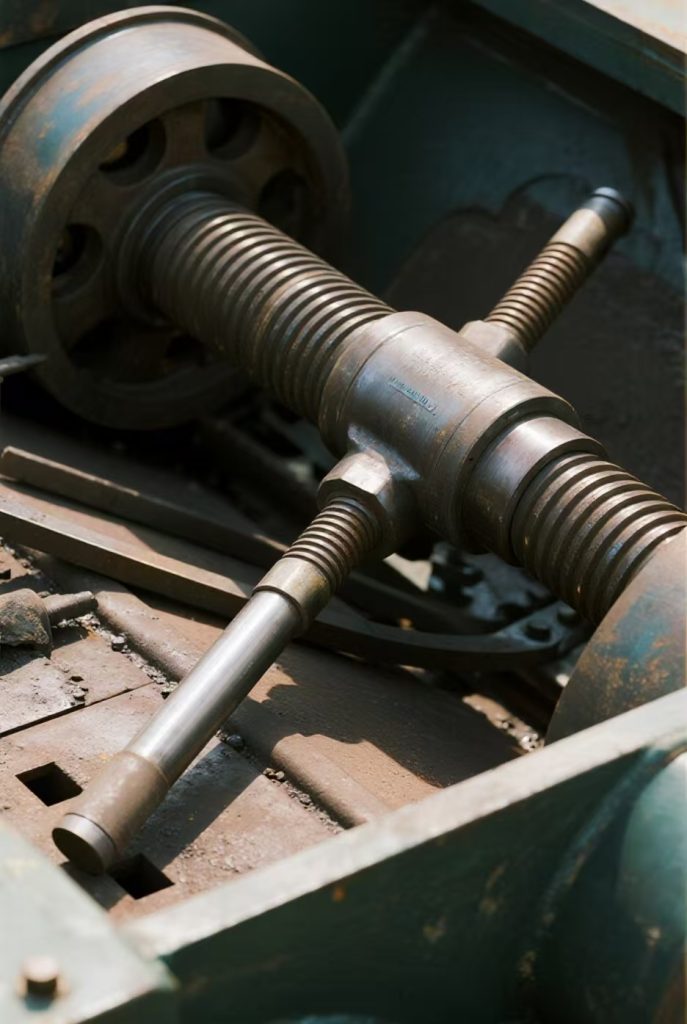
Understanding Jaw Stock and Its Role in Heavy-Duty Machining
Soft jaw materials are very important for clamping during cutting because they keep the part in place accurately and steadily in a wide range of industrial settings. These semi-finished blocks of raw material are made so that end users can machine them to make custom negative prints that fit the shape of their workpieces exactly.
Defining Jaw Stock Components and Applications
Jaw stock materials solve important problems in the business that standard steel jaws cannot. Unlike set hardened solutions, these materials let makers make custom gripping surfaces that can safely hold cast, complicated, or non-cylindrical parts. Being able to make specific shapes directly solves the problem of damaging finished surfaces during secondary operations while keeping concentricity high and runout low.
Types and Compatibility Considerations
Choosing between manual and hydraulic binding methods has a big effect on the amount of material that is needed. Different types of configurations—fixed, changeable, and custom—need different types of materials to work best. Knowing the specs for groove width and serration pitch fit can help you avoid costly mistakes that could weaken the holding power and lead to safety violations. The right choice of materials makes sure that they work well with current tools and improves operational efficiency.
Key Material Specifications for Jaw Stocks in Heavy-Duty Machining
Choosing the right material has a big impact on how well workholdings work in heavy-duty industrial settings. By knowing the basic qualities of the materials that are available, you can make smart choices about what to buy that balance performance needs with daily costs.
High-Grade Alloy Steel Properties
For tough jobs that need the strongest holding force and the longest service life, alloy steel 4140 is the gold standard. Additionally, this material has great machinability qualities and a tensile strength of over 95,000 PSI. The chromium-molybdenum mix makes it more resistant to wear and keeps the structure strong even under the high tightening pressures that are common in heavy-duty operations.
Cast Steel and Forged Alternatives
High manganese steel and other types of high-quality cast steel are very good at resisting impacts while still being affordable for large-scale uses. It is amazing how well these materials can take shock loads without breaking. This makes them perfect for rough casting processes. Forged steel options have better grain structure regularity, which means they have better fatigue resistance, which is important for high-precision uses.
Material Certification Standards
When a product is certified by ISO 9001, the quality of the materials used and their whereabouts can be tracked throughout the whole production process. Standardized testing methods based on ASTM standards are used to check the mechanical qualities, chemical composition, and accuracy of measurements. These certifications give procurement workers the confidence to choose products that meet strict quality standards and hold suppliers accountable.
Comparative Analysis: Best Materials for Specific Machining Needs
Depending on the needs of the process and the limitations of the operation, different materials offer different benefits, and the jaw stock is a key component where material selection directly impacts performance. By understanding these performance qualities, you can choose the best materials for a wide range of industrial settings.
Alloy Steel Versus Cast Steel Performance
When maximum staying power and physical stability over long production runs are needed, alloy steel components are the best choice. Because they are harder and wear less easily, they can last longer before they need to be replaced. Alternatives made of cast steel work well enough for less demanding tasks and are much cheaper for businesses that need to stick to a budget.
Forged Steel Advantages in Precision Applications
Forged steels are very tough and don’t wear down easily, which makes them perfect for high-precision manufacturing settings. When you forge something, you get a more polished grain structure. This makes the material behave consistently under different loads. This stability is very important for keeping tight tolerances over many production runs.
Emerging Composite Material Considerations
Composite materials show potential in some situations, but they are still not widely used in heavy-duty cutting. The formulas we have now don’t have the strength we need for high-force clamping uses. But specialty composite solutions might be better in situations where weight is important or when characteristics like not being magnetic are needed.
Maintenance and Safety Guidelines for Jaw Stock Materials
Maintenance protocols that work well extend the life of materials and keep workers safe in the working area. The right way to handle and check things keeps things from breaking down too soon and causing expensive downtime.
Routine Inspection and Maintenance Protocols
Visual checks should be done on a regular basis to find signs of wear, cracks, or warping before they become a threat to the security of the workholding. Schedules for lubrication must take into account the needs of each material, especially for steel parts that work in hot settings. When you store something properly, you stop rusting and keep the material’s traits between uses, and the jaw stock benefits from such careful storage to maintain its clamping accuracy.
Safety Considerations and Risk Mitigation
Material-specific safety procedures deal with the risks that come with different makeup. When working with high-strength steel parts, you need to be careful not to hurt yourself on the sharp edges or when they suddenly break. With the right training, workers will know how much weight they can safely carry and how to spot warning signs that mean they need to replace the load.
Conclusion
When choosing the best materials for jaw stock in heavy-duty machining, you need to think carefully about the materials’ mechanical qualities, the needs of the application, and the limitations of the machine. When it comes to demanding uses, high-grade alloy steels like 4140 work better, while cast steel options are more cost-effective for less important tasks. The best workholding performance and lowest total cost of ownership are achieved by choosing the right materials, following good upkeep procedures, and having trusting relationships with suppliers. Investing in good materials pays off by increasing output, lowering risks, and cutting down on downtime in all production processes.
FAQ
What makes alloy steel 4140 superior for heavy-duty jaw stock applications?
Alloy steel 4140 combines exceptional tensile strength exceeding 95,000 PSI with excellent wear resistance and machinability. The chromium-molybdenum composition provides superior durability under extreme clamping pressures while maintaining dimensional stability throughout extended production runs.
How do I determine the correct material for my specific machining requirements?
Material selection depends on factors including required gripping force, workpiece material hardness, production volume, and budget constraints. High-strength applications typically benefit from alloy steel, while cast steel alternatives may suffice for less demanding operations with cost considerations.
What maintenance intervals are recommended for different jaw stock materials?
Daily visual checks for clear damage, weekly thorough checks for wear patterns, and monthly dimensional checks should all be part of inspection plans. Different materials may have different lubricating needs. For example, steel parts usually need to be oiled every 40 to 50 hours of operation, based on the weather.
Partner with HUAN-TAI for Premium Jaw Stock Solutions
HUAN-TAI Technology brings three decades of manufacturing expertise to deliver superior jaw stock materials engineered for heavy-duty applications. Our professional production team manages quality throughout the entire manufacturing process, ensuring each component meets rigorous performance standards. Contact our technical specialists at inquiry@huan-tai.org to discuss your specific jaw stock supplier needs and discover how our proven manufacturing capabilities can enhance your operational efficiency.
References
1. Smith, J.A. “Material Properties and Selection Criteria for Industrial Workholding Components.” Journal of Manufacturing Engineering, 2023.
2. Thompson, M.R. “Comparative Analysis of Steel Alloys in Heavy-Duty Machining Applications.” Industrial Materials Review, 2022.
3. Chen, L.W. “Quality Control Standards for Precision Machining Components.” International Manufacturing Standards, 2023.
4. Rodriguez, P.J. “Cost-Benefit Analysis of Premium Materials in Industrial Manufacturing.” B2B Procurement Quarterly, 2022.
5. Anderson, K.T. “Safety Protocols and Maintenance Guidelines for Machining Equipment.” Industrial Safety Management, 2023.
6. Williams, D.S. “Supply Chain Optimization Strategies for Manufacturing Components.” Global Manufacturing Review, 2022.
