
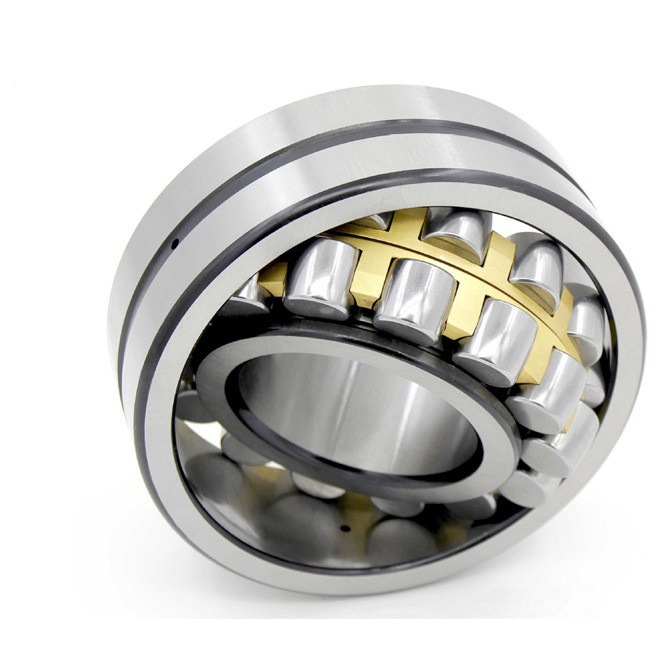
Heavy gear like crushers, mills, and mine trucks keep turning because they have strong bearings. Good bearings keep expensive shafts and housings safe, reduce unplanned downtime, and absorb shock from fragmentation forces in high-strength crushing environments. This article explains why bearing durability is important, what makes a bearing really tough, and how smart sourcing helps your business make money.
Why Crushing Environments Push Bearings to Their Limits
Constant Shock Loads From Fragmentation
It’s never smooth for a crusher to work like a fan or pump does. Every rock that hits the frame sends shock waves through it, and the bearings are right in the direction of the load. In these situations, standard-grade bearings often get surface wear or tiny cracks within months. These repeated force spikes are absorbed by durable bearings designed for impact duty, so the machine stays aligned and works well.
Dust, Moisture, and Abrasive Contamination
Small pieces of rock are crushed and get stuck in every crack. Open-pit activities add rain, mud, and water that is full of minerals to the mix. Normal bearings wear out quickly from three-body friction when dirt and dust get into the track. Strong bearings made of materials that don’t wear down easily, along with the right sealing arrangements, keep their internal geometry for a much longer time, even when the environment isn’t clean.
Heavy Continuous Duty Cycles
In order to meet production goals, mines and quarries often run crushing circuits around the clock. This means that bearings don’t get a chance to rest. Loads stay high for hours on end, heat builds, and lubricant films get thinner. Bearings made for high-load, high-strength settings keep their hardness and physical stability through these long cycles. This is why reliability, not just price, should be the deciding factor when buying.
Key Benefits Durable Bearings Deliver to Your Operation
Longer Service Life Through Superior Materials
How long something lasts starts with the materials you use. Bearings made of alloy steel, high-manganese steel, or high-chromium cast iron are very strong and don’t break easily when hit. This makes them perfect for the heavy loads inside crushing equipment. Options for composite materials are also available for specific uses. If you use the right metal, you’ll have to replace things less often each year. For every replacement that doesn’t happen, you save money on labor and spare parts.
Less Downtime, More Predictable Production
If you ask a plant manager what hurts the most, they’ll probably say the hours lost when a machine isn’t being used. When bearings fail out of the blue, a whole breaking line can stop, making it impossible for screening and transporting to continue further downstream. Maintenance teams can plan changeouts during planned shutdowns instead of rushing through emergency fixes because durable bearings extend maintenance intervals and fail much less frequently.
Protection for Shafts, Housings, and Adjacent Parts
It’s rare for a worn or collapsed bearing to fail by itself. When there is too much space between the bearings, the shaft can wobble, which can damage the housings, seals, and even the frames. Keep in mind that the main shafts of crushers are cast parts that require a lot of money. Good bearings protect that investment. Durable bearings protect everything that rotates around them by keeping their running tolerances tight over a long period of time.
Lower Total Cost of Ownership
On a purchase order, cheaper bearings may look good, but the math changes when you add up how often they need to be replaced, the time it takes to do so, the production that is lost, and any other damage that happens. When it comes to rough breaking tasks, bearings made from high-chromium or quality alloy steel usually last a lot longer than cheaper options. Total cost-wise, longevity wins for both small repair shops that are watching their funds and big producers who are keeping an eye on cost per ton.
How Manufacturing Quality Determines Bearing Durability
Casting Processes That Guarantee Dimensional Accuracy
Bearings are made to last from the time they are made in the foundry until they are used in a machine. Advanced casting techniques, like the lost-wax process, resin sand casting, and the V-method, make sure that the dimensions are exact. This is very important because even small errors can cause uneven load distribution and early fatigue. Bearings that are made using controlled processes fit right the first time and carry load the way the designers meant them to.
Inspection and Quality Control at Every Stage
It’s possible for a casting to look perfect on the outside while having holes or uneven hardness inside. Because of this, honest companies check the chemical makeup, hardness, and important measurements at every stage of production, not just during the final inspection. Full-process quality control makes sure that bearings are consistent and reliable, which is what buyers from other countries, from repair shops to large equipment plants, expect.
Customization for Non-Standard and Legacy Equipment
A lot of the crushers that are still in use today are older models or local brands whose original bearings are no longer made or are hard to find. A company that makes custom, non-standard parts can make bearings from your drawing, a sample, or even an old, worn-out one, choosing the alloy based on the load conditions. Lead times are naturally longer for custom work than for off-the-shelf items because of the need to confirm drawings, make patterns, and heat treat items. It is always best to order ahead of time to avoid critical wear.
Conclusion
Durable bearings last longer, break down less often, protect forged shafts and housings, and lower the total cost of ownership in high-strength crushing environments. Materials like alloy steel, high-manganese steel, and high-chromium cast iron, along with careful casting and quality control, are what make reliable bearings different from expensive ones that don’t work.
FAQs
Q1: What are these bearings made of?
You can choose from alloy steel, high-manganese steel, high-chromium cast iron, or a mix of these materials based on the load and wear conditions.
Q2: What kinds of casting are used?
The V-method, lost-wax casting, and resin sand casting were all chosen to make sure accurate measurements and quality that was always the same.
Q3: Can these bearings handle heavy-duty breaking that goes on all the time?
Yes. They are very strong and don’t break easily, which makes them perfect for places with a lot of load and strength.
Q4: Can bearings be customized for older or discontinued crusher models?
Yes. We can manufacture from drawings, samples, or worn originals.
Q5: How long is the shipping time for special bearings?
It changes with design proof and process needs; unique items take longer than stock parts, so early buying is suggested.
Let’s Keep Your Machines Turning
For 30 years, Xian Huan-Tai Technology and Development Co., Ltd. has supplied customized non-standard mechanical parts to mining and engineering machinery customers across the globe. Our professional production team controls quality through every stage of casting and inspection, and our technical team tailors each bearing to your exact performance requirements. Whether you need one repair or a regular supply program, you’ll get excellent service and honest tech advice. Send your drawings or inquiry to inquiry@huan-tai.org today—we respond quickly with a tailored solution.
References
- Harris, T. A., & Kotzalas, M. N. – Rolling Bearing Analysis: Essential Concepts of Bearing Technology
- Wills, B. A., & Finch, J. A. – Wills’ Mineral Processing Technology: An Introduction to the Practical Aspects of Ore Treatment and Mineral Recovery
- Zaretsky, E. V. – “Rolling Bearing Steels – A Technical and Historical Perspective,” Materials Science and Technology
- Bhadeshia, H. K. D. H. – “Steels for Bearings,” Progress in Materials Science
- Gupta, A., & Yan, D. S. – Mineral Processing Design and Operations: An Introduction
