
To get good blow bars for an impact crusher, you need to know the model, part number, rotor size, feed material, and operating conditions of the crusher. Give a qualified manufacturer a checked drawing or sample, agree on the materials and inspection standards, and sign off on the final specification before production. Then, get the shipping papers and packaging together. This method helps make sure the right fit, reliable wear performance, and known costs for purchasing.
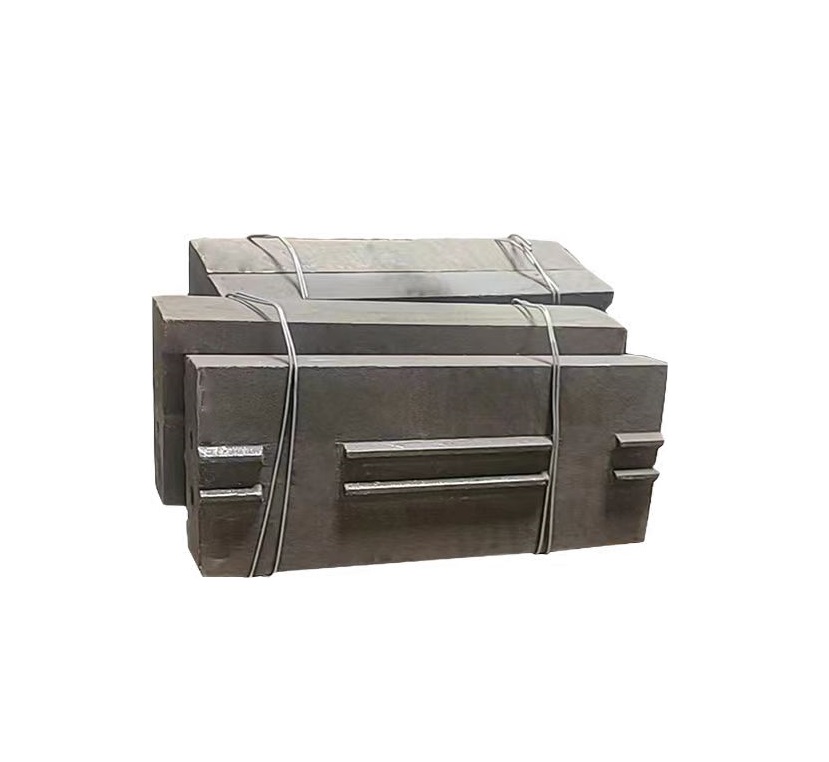
Specify Blow Bars for the Crusher and the Job
Confirm the crusher configuration
Before you look for blow bars, write down the part number, make and model of the impact crusher, the rotor’s width and diameter, the bar shape, and the attachment measurements. Since blow bars are wear parts that are attached to the rotor, make sure they can be switched sides and write down how many you need for each rotor. A full record of all the equipment cuts down on mistakes, speeds up technical clarification, and gives the supplier a solid base for setting prices and planning production.
Match material to the feed and operating duty
Pick blow bars based on the feed material, size, moisture, impact energy, and output goal, not just the cheapest price. Huan-Tai has cast choices in high-manganese steel, alloy steel, high-chromium cast iron, and hybrid materials. Talk about the grade in relation to the actual duty. The goal is to find a balance between good impact and fracture resistance for high-load service and useful wear life. You can be more sure of that advice since you have your own wear records.
Lock down drawings and casting requirements
Send controlled sketches or a reference model for custom blow bars that show the general size, hole locations, closing details, specs, and any OEM references that need to be checked. When you can, include photos that show the orientation clearly. You can cast something using the lost-wax, resin-sand, or V-process ways. Check with the maker to see which one works best for your part’s shape and level of accuracy. Find the important dimensions and approve the revised drawing before the casting starts.
Verify Blow Bar Quality Before You Place the Order
Assess the supplier’s engineering capability
For blow bars, make sure the manufacturer has experience with the right kind of heavy equipment, quick engineering responses, good production controls, and the ability to inspect the work. Find out how its team looks over drawings, manages casting and machining, handles nonconformities, and keeps track of material batches. Huan-Tai has been customizing non-standard mechanical parts for 30 years, and they have professional production and inspection teams to back them up. A technical discussion can help you figure out if the parts will work with your crusher and what you need to do to buy them.
Agree on inspection and acceptance criteria
Before approving blow bars, come up with a written inspection plan that includes key measurements, identifying the material, performing specific chemical composition or hardness tests, checking the bars’ visual condition, and keeping track of each batch. Ask for the records that the order needs and set limits on what can be accepted ahead of time. If the first item works, look over the fit and measurement report on it before giving the go-ahead for the rest of the production run; make sure the checks are appropriate for the material and drawing.
Compare quotations beyond unit price
Look at blow bars based on their total operating value, which includes how often they should be replaced based on similar operating records, the cost of replacement labor, machine downtime, freight, and the cost of a bad fit. Ask each bidder to give you a quote for the same material, revision of the drawing, quantity, scope of inspection, packaging, Incoterm, and place where the goods will be shipped. This like-for-like comparison makes it easier for larger OEM teams to approve suppliers and helps smaller repair shops keep track of their cash flow.
Plan the Import Around Fit, Packaging, and Maintenance
Confirm lead time and shipping documents
With foreign blow bars, don’t confirm the shipping window until the model, material, amount, and testing needs are set in stone. When changes or planning the process are needed for custom molds, extra time may be needed. Instead of a general promise, ask for milestone dates. Make sure that the shipment and maintenance are in sync, and check the commercial invoice, packing list, transport document, and any destination-specific certificates that your broker may need.
Protect parts and verify the shipment
Choose protected packing for blow bars that can hold their weight, stops them from moving, and lets you see the part numbers while they’re being handled. Place crates or pallets on the right carrier for the job and where they need to go. Label each item with its part number and order reference. As soon as you get it, check the quantity and visible condition, and then compare the important measurements to the approved drawing before installing or accepting it.
Prepare installation and replacement planning
Check the crusher manual, rotor and locking system condition, correct orientation, and required fastener procedure before installing blow bars. Also, make sure you follow the safety rules for the job site and the equipment maker’s instructions. Record the date of installation, the feed conditions, and the number of hours it was used. Then, when it’s time for regular upkeep, check for wear. These records help make better decisions about what materials to buy in the future, how much to reorder, and when to shut down without having to rely on general torque values.
Conclusion
Importing good blow bars is not just a matter of price; it involves checking the specifications and making sure they are correct. Make sure the part fits the crusher and feed, pick a good casting material, agree on the drawings and inspection, and schedule shipping around set production goals. A responsive manufacturer with engineering, quality control, and schedule management skills can help maintenance teams plan replacements more accurately and reduce the risk of not being able to fit the parts.
FAQs
What should I send to get a price quote?
Give the name and model of the crusher, the part number, a drawing or a reference sample, the amount, the feed material, the location, the key limits, and the delivery window you want.
What kind of material should I say?
Talk to the supplier about the feed size, impact conditions, wear pattern, and machine design to make a choice. You can choose from alloy steel, high-manganese steel, high-chromium cast iron, or products that are a mix of these.
Do Huan-Tai make blow bars to order?
Yes. It has experience making mechanical parts that aren’t standard, so it can look over drawings and make custom sizes, as long as the final technical specifications are agreed upon before production.
Where can I find quality checks before I ship?
Once everyone agrees on what the acceptance standards are, you can look over the necessary records of the material and measurement inspections. You might want to approve the first piece for a new style.
Why does it take so long to import?
The schedule depends on when the design is approved, the casting route, the quantity, and how the goods are shipped. Once the needs are clear, ask for a quote based on milestones.
Discuss Your Blow Bar Requirements with Huan-Tai
Need new blow bars for a machine used in mining or engineering? A company called Xian Huan-Tai Technology and Development Co., Ltd. in China has been making custom, non-standard mechanical parts for 30 years and helps buyers with everything from reviewing drawings to coordinating production. The professional technical team at our company works to meet performance and quality standards. The production and testing team is in charge of quality at every stage. You can expect quick service and clear communication about when custom orders will be ready. Send your crusher model, drawings, quantity, and target destination to inquiry@huan-tai.org to discuss a practical quotation.
References
- Barry A. Wills and James Finch, Wills’ Mineral Processing Technology: An Introduction to the Practical Aspects of Ore Treatment and Mineral Recovery, 8th ed., Elsevier, 2016.
- John Campbell, Complete Casting Handbook: Metal Casting Processes, Metallurgy, Techniques and Design, 2nd ed., Elsevier, 2015.
- George E. Dieter, Mechanical Metallurgy, 3rd ed., McGraw-Hill, 1986.
- William D. Callister Jr. and David G. Rethwisch, Materials Science and Engineering: An Introduction, 10th ed., Wiley, 2018.
- Kenneth C. Ludema, Friction, Wear, Lubrication: A Textbook in Tribology, CRC Press, 1996.
