
The jaw plate, toggle plate, cast main shaft, and wear safety parts that keep the machine stable under heavy loads are some of the best jaw crusher parts for better crushing reliability. A good jaw plate that is both strong and rigid is essential for mining and engineering work because it directly handles crushing forces, cuts down on downtime, and increases the time between service visits.
Core Crushing Components That Ensure Consistent Performance
For reliable crushing to start, there must be core parts that hold the main load and keep their shape throughout the operation cycle.
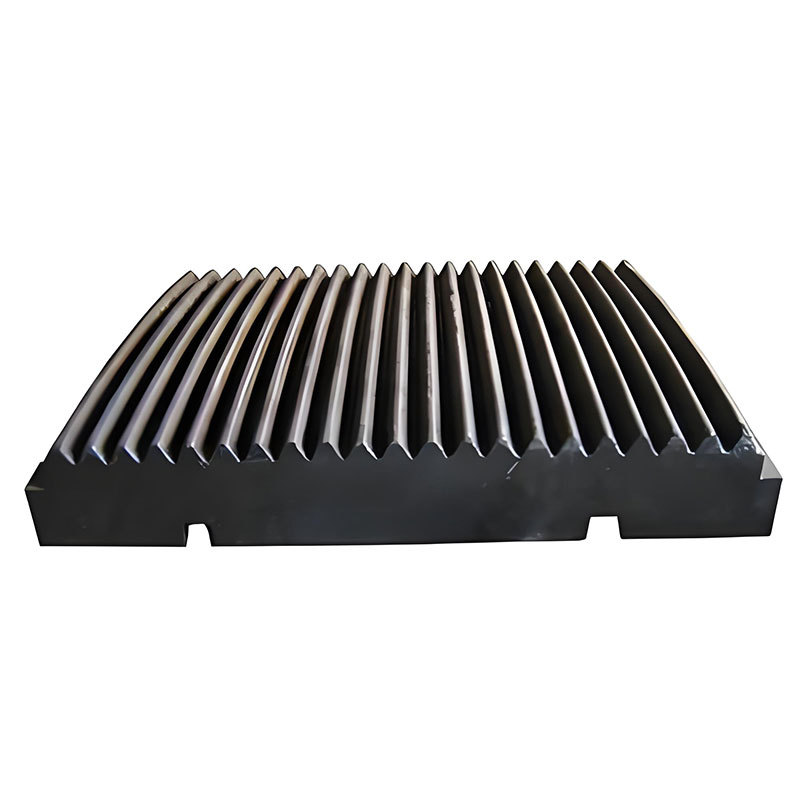
High-Strength Jaw Plate for Maximum Impact Resistance
Our luxury jaw plate is made from high-quality steels, like high manganese steel and high carbon steel, so it can handle strong impacts and last longer. It is very strong and rigid, and it can handle the force of fragmentation well, even when working with harder rocks. This jaw plate design makes sure that it doesn’t rust, keeps the crusher reliable, and cuts down on unplanned downtime in tough mining settings.
Durable Toggle Plate Engineered from High Manganese Steel
Behind the jaw plate assembly, the toggle plate is a very important safety and gearbox part. It transfers the crushing force and keeps the frame from getting too heavy. Our toggle plate is made from high manganese steel, which is stronger and more resistant to fatigue than generic options that are made from carbon steel but aren’t made correctly. When paired with a similar jaw plate, it makes sure smooth operation, regular upkeep, and higher efficiency for heavy-duty engineering uses.
Forged Main Shaft for Stable Power Transmission
The main shaft moves the moving jaw plate in an eccentric way, which requires it to be very strong under cycle loads. For better fatigue performance and a more refined grain structure, our main shaft is made using the forging process instead of casting. When this forged part works with the jaw plate, it transfers power smoothly, lowers vibration, and helps mining and engineering equipment keep crushing for a long time.
Wear and Protection Systems That Extend Service Life
Not only do core breaking parts play a role in reliability, but so do wear safety systems that keep the machine safe and keep the same output over long periods of time.
Rack Bar and Wedge System Made of Alloy Steel
The rack bar and wedge system keeps the jaw plate firmly against the frame of the crusher. This keeps it from moving while the high-pressure crushing is happening. The rack bar, which is usually made of alloy steel for its high resistance to wear and high load-bearing capacity, keeps the jaw plate in place even when it shakes. In tough quarry and mining operations, this secure fixation prevents uneven wear, increases the life of the jaw plate, and guarantees reliable crushing results.
Dust Ring Protection Using High Manganese Steel and High Chromium Alloy Steel
The dust ring keeps the rough fines that are made around the jaw plate grinding chamber from getting into the bearings and other parts inside the machine. You can get our dust ring in either high manganese steel or high chromium alloy steel. Both are very good at resisting wear and keeping their seal. This safety system lowers the frequency of maintenance and keeps the machine running reliably and continuously by stopping the entry of contaminants that speed up wear on the jaw plate and nearby parts.
Heavy-Duty Springs Crafted from Spring Steel for Reliable Tension
On the sliding jaw plate, return springs keep the tension and gap under control. This makes sure that the output size stays the same and that the machine is safe to use. Our springs are made from carbon steel, high-strength steel wire, and spring steel to give them high elasticity and resistance to wear. When properly tensioned and used with a strong jaw plate, these parts absorb pressure loads, keep the machine from getting stuck, and help it be stable and reliable for a long time with little unexpected downtime.
Supporting Systems for Demanding Mining and Engineering Applications
In addition to core wear parts, secondary breaking systems need to be specially designed for different types of machines and tough working conditions to keep the total efficiency and effectiveness of the equipment high.
Blow Bar Solutions for Impact Crushers in Tough Rock Conditions
Blow bars are important parts of impact crushers that deal with impact. They work in conditions similar to the jaw plate in primary crushing circuits, where hard rock causes big impacts. For the best resistance to impact and wear, our blow bar is mostly made of high manganese steel, alloy steel, and high chromium cast iron. It can be used on harder rocks and keeps working reliably, working with the jaw plate stage in full mine crusher lines.
Hammer Head Designs for Hammer Crushers Handling Abrasive Materials
Hammer heads are the main parts of hammer crushers that do the hitting. They are commonly used for secondary crushing of rough and medium-hard materials. Our hammer head was made separately from the impact crusher’s blow bars, and it focuses on balanced impact endurance and wear stability. Like a strong jaw plate made for tough engineering jobs, this hammer head makes sure that material is reduced efficiently, it doesn’t rust, and it lasts longer in mining and aggregate production settings that are used all the time.
Integrated Quality Control for Custom Non-Standard Parts
Every jaw plate and non-standard part needs to be of the same high quality. This is especially important when plans need to be confirmed over and over again and process changes make production runs longer. Our professional production team makes sure that quality is maintained throughout the whole process, and our technical team makes sure that unique mining parts meet all performance standards. We provide jaw plate options with stable shipping times and testing standards that can be checked. Our focus is on building and mining tools, not precise computer equipment.
Conclusion
In conclusion, a good jaw plate, a forged main shaft, a long-lasting toggle plate, and protective systems made from tested steel grades are all important for making a jaw crusher more reliable. By choosing well-designed, wear-resistant parts, demanding mining and engineering operations around the world can be sure of stable crushing, long service life, and predictable maintenance. This cuts down on downtime and increases long-term productivity and return on investment.
FAQ
Q1: What makes your jaw plate more durable?
A: Cast with high manganese steel and high carbon steel, it offers high strength, rigidity, impact resistance and good corrosion resistance for harder rocks, extending service life.
Q2: Why is the main shaft forged not cast?
A: Forging refines grain structure, improves fatigue strength and impact toughness, ensuring stable, low-vibration transmission to the moving jaw plate under heavy loads.
Q3: What material is the toggle plate?
A: High manganese steel, not carbon steel, providing superior toughness, fatigue resistance and overload protection for reliable, safe operation.
Q4: How long is delivery for custom parts?
A: Timelines are flexible and depend on drawing confirmation, material grade and process complexity, and are confirmed promptly after technical review by our team.
Q5: Do you supply electronic components?
A: No, we focus exclusively on engineering and mining mechanical parts such as jaw plate, rack bar, blow bar and hammer head for heavy-duty applications.
Partner with Huan-Tai for Your Next Project
Ready to improve crushing reliability with a custom jaw plate built for your hardest rock? Partner with Xian Huan-Tai Technology and Development Co., Ltd. — bringing 30 years of industry experience, excellent service, a professional production team managing quality end-to-end, and a technical team that meets your performance requirements. Contact us today at inquiry@huan-tai.org for a tailored solution and experience stable, predictable supply and engineering excellence that overseas customers trust for your next project.
References
- Wills, B. A., & Finch, J. (2016). Wills’ Mineral Processing Technology: An Introduction to the Practical Aspects of Ore Treatment and Mineral Recovery. Butterworth-Heinemann.
- Chen, X., Liu, Y., & Wang, H. (2021). Wear mechanisms and material selection for jaw crusher plates in hard rock crushing. International Journal of Minerals, Metallurgy and Materials.
- Johansson, M., & Evertsson, M. (2019). Performance optimization of crushing plants through wear part management. Minerals Engineering.
- Gupta, A., & Yan, D. (2017). Influence of jaw plate geometry and material on crushing efficiency and reliability. Powder Technology.
- Lindqvist, M. (2020). Reliability and maintenance strategies for primary crushers in quarry operations. Journal of Quality in Maintenance Engineering.
