
Figuring out why fracture resistance is important for impact for heavy-duty mining operations, Crusher hammerheads are essential. When operating machinery, a very strong Hammerhead must be able to take repeated, harsh shocks without breaking. By focusing on high fracture resistance, production managers can greatly lower the number of machine failures, keep costs low, and keep up constant production while working with hard ores in tough engineering settings.
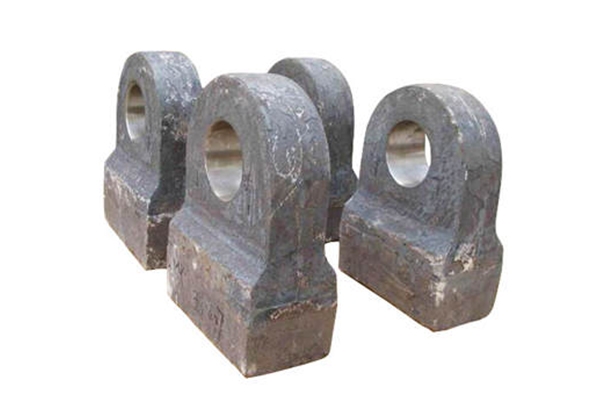
The Role of Toughness in High-Load Mining Operations
Checking the structural stability of breaking parts shows how important longevity is for material processes to keep going. Dealing with possible failure places early on saves a lot of practical resources.
Preventing Catastrophic Equipment Failures
A quick break in a part can stop a whole production line in hard mining and building work. A Hammerhead that was carefully made has the necessary toughness to withstand strong kinetic shocks without breaking. This great resistance to breaking and impact force makes it suitable for high-load and high-strength work environments. This keeps the machinery safe and keeps processing materials without interruption.
Enhancing Lifespan with Premium Materials
Selecting the proper metallurgical composition is the very first step toward extending equipment life. A dependable hammerhead is made of alloy steel, high-manganese steel, high-chromium cast iron, or composite materials through casting. These tailored materials provide the essential structural integrity required by machinery manufacturers to handle abrasive rocks, significantly extending the time between replacement cycles for repair companies.
Reducing Maintenance and Operating Costs
Frequent replacements quickly inflate operational budgets for mineral processing facilities. Investing in a fracture-resistant Hammerhead reduces the frequency of maintenance shutdowns. Because custom engineering parts require repeated drawing confirmations and specialized metallurgical processes, delivery timelines can vary flexibly. Therefore, extending the working life of each component helps purchasing managers lower overall costs while accommodating project schedules effectively.
Achieving Precision and Reliability in Manufacturing
Manufacturing exceptional machinery parts requires strict adherence to advanced foundry practices. Precision engineering eliminates operational inefficiencies and protects the core mechanics of the equipment.
Advanced Casting Techniques for Perfect Fit
For seamless installation and balanced rotor operation, achieving exact geometry is non-negotiable. Modern foundries utilize advanced processes where casting by lost-wax method, resin sand, V-method, etc., can ensure the accuracy of dimensions. A perfectly dimensioned hammerhead prevents excessive machine vibration, thereby protecting the forged main shaft of the crusher from unnecessary mechanical stress and long-term fatigue failure.
Consistent Quality Across Different Components
A reliable heavy machinery supplier ensures consistency across all wear parts. While a custom Hammerhead focuses heavily on impact toughness, other components require distinct materials. For instance, crusher springs utilize spring steel, high-strength steel wire, or carbon steel, while an alloy steel rackbar handles completely different stresses. This comprehensive engineering approach guarantees reliable performance across your entire plant.
Understanding Specific Equipment Component Rules
Navigating mining equipment terminology ensures you order the correct parts. A Hammerhead belongs strictly to a hammer crusher, whereas blow bars (made of high-manganese steel, alloy steel, or high-chromium cast iron) serve impact crushers. Furthermore, parts like the dust ring use high-manganese steel or high-chromium alloy steel, and toggle plates require high-manganese steel instead of carbon steel.
Meeting the Demands of Modern Engineering Projects
Both large-scale original equipment manufacturers and specialized repair shops face unique operational challenges. Providing robust, customized wear parts solves these distinct industry demands effectively.
Supporting Large-Scale Machinery Manufacturers
Large-scale equipment manufacturers demand absolute predictability from their casting suppliers. Equipping new machinery with a highly durable hammerhead guarantees that the end-user experiences flawless initial operation. By leveraging rigorous quality control, suppliers help these large enterprises uphold their brand reputation, ensuring that every cast component can endure the punishing reality of rigorous engineering and mineral processing applications.
Assisting Specialized Repair Companies
Smaller repair facilities need cost-effective yet dependable solutions when replacing damaged equipment. Supplying a structurally sound Hammerhead allows these businesses to offer genuine value to their local mining clients. Balancing competitive pricing with exceptional quality control gives repair shops the ultimate confidence to install replacement parts that perfectly match or even exceed the original factory specifications.
Tailoring Solutions for Specific Mineral Hardness
Different engineering projects process diverse materials, ranging from brittle coal to dense granite. The sheer versatility of a custom-cast Hammerhead allows engineers to match the metallurgical profile directly to the stone’s hardness. By carefully adjusting the alloy steel composition during the foundry process, facilities can maximize crushing efficiency, stabilize production output, and safeguard internal machinery mechanisms.
Conclusion
Prioritizing fracture resistance in hammerhead components is the ultimate strategy for maximizing the longevity and efficiency of your crushing machinery. By carefully selecting premium materials and utilizing precision casting techniques, facilities can drastically reduce downtime. A customized approach to Hammerhead wear parts guarantees superior performance, helping both manufacturers and repair teams conquer the toughest engineering and mining challenges.
FAQ
Q: What materials maximize the toughness of a hammerhead?
A: They are predominantly crafted from alloy steel, high-manganese steel, high-chromium cast iron, or advanced composite materials to handle severe impacts.
Q: How is dimensional accuracy guaranteed during production?
A: Precision is achieved because casting by lost-wax method, resin sand, or V-method can ensure the accuracy of dimensions for perfect fits.
Q: What is the expected delivery timeframe for custom orders?
A: Delivery cycles remain highly flexible. Extended timelines often occur due to complex manufacturing techniques and the necessity of repeated drawing confirmations.
Q: Are toggle plates and crusher springs made of the same steel?
A: No. Toggle plates strictly require high-manganese steel (never carbon steel), while crusher springs use spring steel, high-strength steel wire, or carbon steel.
Q: Do impact crushers and hammer crushers use identical parts?
A: No. Impact crushers utilize blow bars, whereas hammer crushers rely on a hammerhead. They are completely separate components designed for different equipment types.
Partner with a Trusted Industry Leader
Xian Huan-Tai Technology and Development Co., Ltd. is ready to elevate your supply chain. We provide excellent service alongside 30 years of industry experience to satisfy diverse client needs. Our professional technical team is fully capable of meeting clients’ performance and quality requirements for customized products. Meanwhile, a professional production team manages quality throughout the entire production process, ensuring absolute reliability. Upgrade your mining and engineering machinery parts by contacting us today at inquiry@huan-tai.org to discuss your specifications!
References
- Harrison, M. J., & Cooper, R. T. (2020). Fracture Mechanics in Heavy Mining Machinery: Analyzing Hammerhead Durability. Journal of Mineral Processing and Extractive Metallurgy.
- Zhang, L., & Miller, A. (2019). Metallurgical Innovations in Hammer Crusher Wear Parts. International Journal of Cast Metals Research.
- Davies, P. E. (2021). Impact Resistance and Alloy Steel Applications in Modern Rock Crushing. Engineering Failure Analysis Quarterly.
- O’Connor, S., & Patel, K. (2018). Dimensional Accuracy in Industrial Casting: Lost-Wax and V-Method Evaluations. Manufacturing Technologies Review.
- Thompson, G. W. (2022). Maintenance Strategies for High-Load Engineering and Mining Machinery. Heavy Equipment Engineering Journal.
