
Damage to the eccentric shaft is a common cause of jaw crusher breakdowns. The main reasons for failure are not enough lubricants, material stress from heavy mine loads, and bad alignment during assembly. To make sure that things work reliably, strict maintenance schedules, careful installation, and replacing worn parts with high-strength forged steel parts are all good solutions.
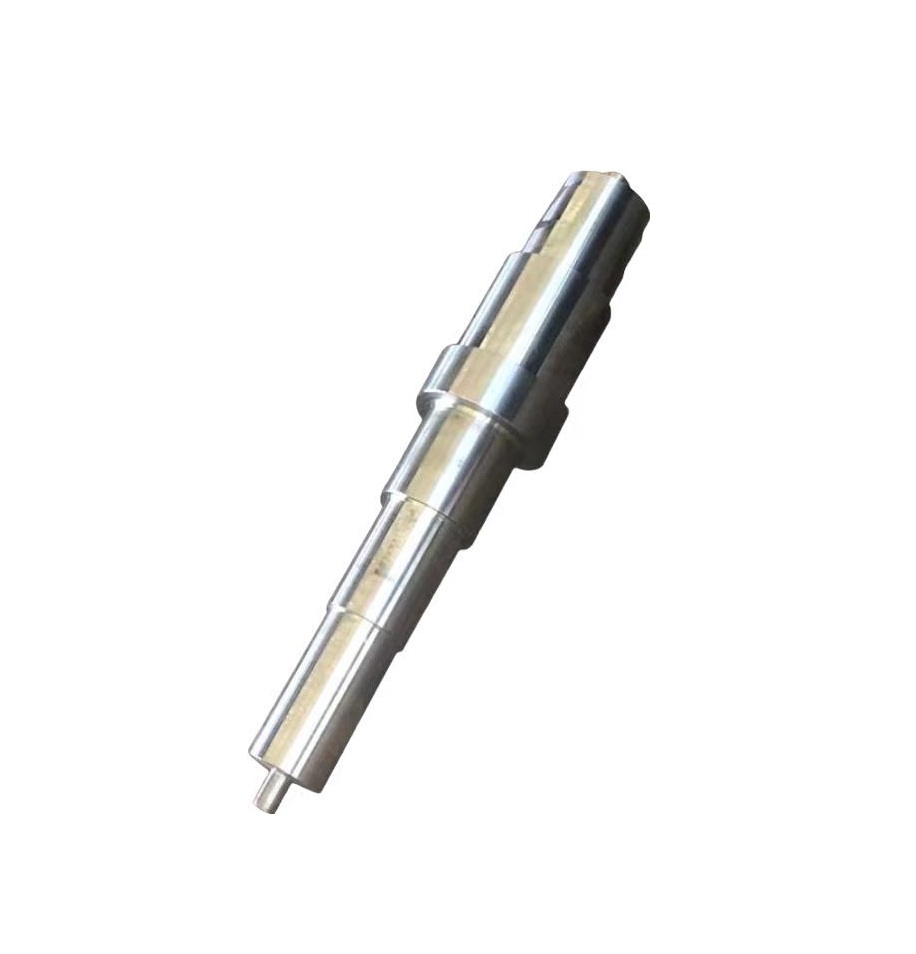
Common Causes of Eccentric Shaft Failures
Finding out why heavy machinery breaks down is the first thing that needs to be done to avoid costly stops in operations. Equipment has to work in harsh environments in the mining and building industries. Finding the reasons why things break down lets repair teams take preventative steps.
Inadequate Lubrication and Friction
The Eccentric shaft rubs against the main bearing assembly too much without the right lubricant. This makes a huge amount of heat, which speeds up wear and eventually causes the machine to stop working. In tough mining conditions, dust in the air can easily get into the oil and make it less effective. This can speed up the wear and tear on the eccentric shaft surface and lead to catastrophic failures if the problem isn’t fixed quickly.
Material Fatigue from Heavy Loads
The Eccentric shaft is continuously subjected to enormous reaction forces during the crushing process. Heavy impact loads cause tiny cracks to form deep inside the metal structure over time. This material failure will spread quickly if the part doesn’t have a lot of stiffness, and it will eventually break completely and suddenly during peak working stress on the eccentric shaft.
Improper Installation and Alignment
If there is any misalignment during the initial setup, the Eccentric shaft is quickly put under a lot of uneven stress. Every time the frame is turned, the part bends a little if it is not properly centred inside it. This strange bending moment makes the Eccentric shaft last a lot less time and wears out all the bearings and bushings next to it quickly and unevenly.
Effective Solutions for Eccentric Shaft Issues
Once the root causes are known, the next step is to put targeted solutions into action. Troubleshooting that works not only gets the equipment working again, but it also makes it stronger overall. Long-term dependability can be achieved by operators who pay attention to maintenance, the quality of the materials used, and accuracy.
Implementing Strict Maintenance Schedules
By spotting early signs of wear on the eccentric shaft, regular and thorough checks help avoid unplanned downtime. Operators must always keep an eye on the temperature, flow rate, and quality of the oil. You can make the Eccentric shaft last a lot longer in heavy-duty engineering and mining uses around the world by replacing polluted oils and regularly checking the mechanical gaps.
Upgrading to Forged High-Quality Steel
The replacement Eccentric shaft needs to be very strong and rigid so that it can withstand strong fragmentation forces. Using a precise forging process instead of casting makes sure that the structure is more stable. Forging high-quality materials, like metal or high carbon steel, into the Eccentric shaft makes it strong enough to withstand strong impact forces and keep its shape over time.
Ensuring Precision in Assembly
The life of the eccentric shaft in any crusher depends solely on its accurate installation. Technicians need to use special adjustment tools to make sure that the parts are perfectly placed in the crusher frame. When parts are properly seated, they spread the crushing load out evenly. This stops stress concentrations in certain areas, which could cause the Eccentric shaft to fail early and at a high cost.
Optimizing Overall Crusher Performance
A jaw crusher is a complex system where every component plays a vital role in supporting the main drive mechanism. Optimizing the materials and condition of these secondary parts ensures that the primary drive system operates without unnecessary strain or disruption.
Selecting the Right Toggle Plate Material
The toggle plate directly protects the Eccentric shaft from uncrushable materials by acting as a mechanical safety fuse. It is crucial to manufacture this specific part from high manganese steel, never carbon steel. This material choice ensures the toggle plate absorbs shock effectively, safeguarding the expensive Eccentric shaft from severe structural damage during operation.
Maintaining Supporting Components
Supporting parts directly influence the operational stability of the Eccentric shaft significantly. The tension spring should be made of spring steel, high-strength steel wire, or carbon steel. Additionally, the dust seal ring must utilize high manganese steel or high chromium alloy steel, while the rackbar typically requires highly durable alloy steel materials.
Choosing Reliable Wear Parts
While the Eccentric shaft drives the primary movement, wear parts handle the actual rock breaking. Blow bars, utilized specifically in impact crushers, are made from high manganese steel, alloy steel, or high chromium cast iron. Meanwhile, hammer heads for hammer crushers serve a different crushing purpose and must be selected separately based on needs.
Conclusion
Understanding the causes of Eccentric shaft failure is vital for maintaining mining machinery. By addressing lubrication, alignment, and material fatigue, operators can prevent costly breakdowns. Investing in high-quality forged replacements and maintaining all related components ensures long-term reliability, optimal performance, and consistent production output for your crushing operations.
FAQ
Q1: What causes an Eccentric shaft to break?
A1: Material fatigue from heavy loads, poor lubrication, and misalignment are the primary causes of breakage.
Q2: Is a forged Eccentric shaft better than a cast one?
A2: Yes, forging provides superior strength and structural integrity, making it ideal for withstanding heavy impact forces.
Q3: How often should I lubricate the Eccentric shaft?
A3: Follow the manufacturer’s schedule, but continuously monitor oil quality and temperature during demanding mining operations.
Q4: What material is best for toggle plates?
A4: High manganese steel is the standard choice to absorb shock and protect the main shaft.
Q5: How long is the delivery time for custom shafts?
A5: Lead times vary depending on drawing confirmations and specific forging processes required for your custom order.
Need a reliable replacement for your mining equipment?
Xian Huan-Tai Technology and Development Co., Ltd. brings 30 years of industry experience to the table. Our professional technical and production teams ensure every customized mechanical part meets your strict performance requirements. We manage quality throughout the entire process, offering excellent service and stable delivery. Trust us for your heavy-duty engineering needs. Contact us today at inquiry@huan-tai.org to discuss your project specifications and get a customized solution!
References
- Smith, J. (2018). Failure Analysis of Heavy Machinery Components. Journal of Mechanical Engineering.
- Johnson, R. (2020). Tribology and Lubrication in Mining Crushers. Industrial Maintenance Review.
- Williams, T. (2019). Metallurgical Properties of Forged Steel Shafts. Materials Science Quarterly.
- Brown, A. (2021). Optimizing Jaw Crusher Performance. Mining Technology Today.
- Davis, L. (2017). Preventive Maintenance Strategies for Aggregate Equipment. Construction Equipment Journal.
