
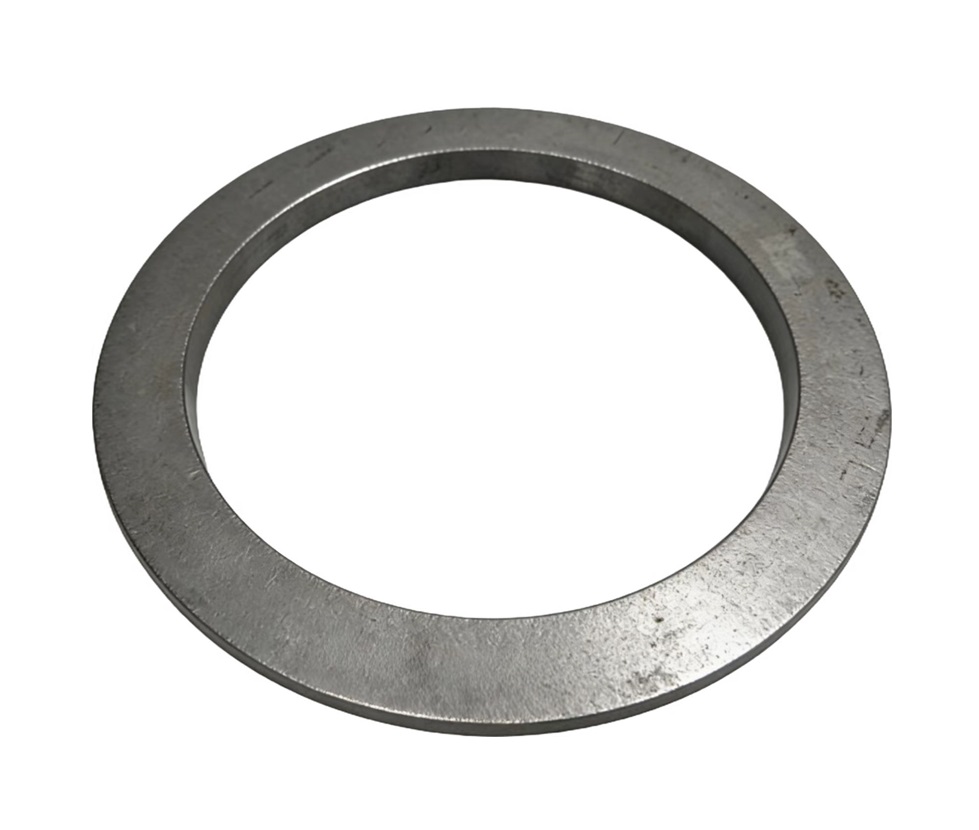
Learning How to Import Cone Crusher Dust Seal from China Suppliers guarantees that heavy mining machinery remains perfectly protected against abrasive contaminants. Sourcing a high-quality dust seal ensures optimal equipment performance, significantly reducing maintenance downtime. This comprehensive guide helps purchasing managers confidently navigate the overseas procurement process while securing reliable components for demanding mineral processing tasks.
Evaluating the Manufacturing Quality of Chinese Suppliers
Assessing Material Composition and Metallurgy
When sourcing overseas, verify the specific metallurgy. A durable Dust seal is typically crafted from high-manganese steel or high-chromium alloy steel to block abrasive particles effectively. High-quality manufacturers ensure the bushing and other castings are enhanced by adding components such as manganese and potassium, which effectively improves the anti-sand sticking and sand clamping performance, dramatically extending the component’s lifespan.
Verifying Advanced Heat Treatment Applications
Mining equipment constantly battles extreme friction and mechanical stress. To combat this effectively, reliable suppliers ensure that key components undergo special heat treatment processes, which improves the wear resistance of the castings. Incorporating these thermal techniques means your imported Dust seal will maintain structural integrity, completely preventing hazardous debris from destroying the delicate inner workings of your heavy engineering machinery.
Differentiating Component Materials Accurately
A professional supplier understands proper material selection across the board. While a custom dust seal relies on high-manganese steel or high-chromium alloy steel, other parts differ completely. Toggle plates strictly use high-manganese steel rather than carbon steel, and a crusher main shaft is strictly forged, never cast. Ensuring your supplier knows these engineering distinctions guarantees exceptional quality control for your plant.
Navigating Customization and Production Schedules
Securing Exact Fits Through Custom Drawings
Precise engineering alignment is mandatory for crushing operations. When ordering from China, customization can be done according to the model and the drawing, enabling a better fit with the equipment. Supplying exact specifications guarantees that your new Dust seal securely wraps the internal mechanical assemblies, minimizing excess vibration and eliminating unexpected mechanical failures in aggressive mineral processing environments.
Managing Flexible Delivery Timelines
Importing customized non-standard mechanical parts demands careful and strategic planning. Because confirming technical drawings repeatedly and perfecting intricate casting methods takes time, the delivery schedule remains flexible. Purchasing managers must anticipate these necessary adjustments to ensure the manufactured Dust seal perfectly matches their strict engineering tolerances before it leaves the Chinese foundry for international overseas shipping.
Expanding the Scope of Machinery Components
Your chosen foundry should demonstrate broad expertise in heavy engineering components, completely apart from precision electronic equipment. Beyond producing a flawless Dust seal, they should expertly manufacture items like an alloy steel rackbar or crusher springs made of spring steel, high-strength steel wire, or carbon steel. Broad manufacturing capabilities reflect a deeply rooted technical proficiency crucial for long-term supply partnerships.
Establishing Long-Term Trust with Expert Foundries
Focusing on Industrial Mining Expertise
Select an exporting partner focused heavily on industrial mining and aggregate applications. The ideal factory will expertly separate part categories, knowing that blow bars (made of high-manganese steel, alloy steel, or high-chromium cast iron) serve impact crushers while a hammerhead exclusively fits hammer crushers. Partnering with a manufacturer who understands these vital distinctions ensures every Dust seal they produce functions flawlessly.
Prioritizing Stringent Quality Control
For large machinery manufacturers and smaller repair companies alike, robust plant inspections remain non-negotiable. An expert Chinese facility meticulously checks every dimensional tolerance to prevent rapid deterioration. Rigorous quality oversight guarantees your imported dust seal effectively shields vital mechanisms from abrasive rock fragments, allowing your heavy engineering machinery to operate continuously without incurring severe internal damages or costly operational delays.
Balancing Cost Efficiency and Superior Quality
Purchasers constantly seek lower prices without ever sacrificing reliability. Importing a premium Dust seal from an established supplier achieves this delicate balance. By maximizing production efficiency and strictly adhering to superior casting methodologies, professional foundries deliver robust components that actively lower long-term maintenance costs. This competitive pricing strategy enables engineering facilities to boost their profit margins securely and sustainably.
Conclusion
Successfully importing wear parts requires choosing a supplier who prioritizes advanced metallurgy, precise customization, and transparent communication. By partnering with experts who implement rigorous heat treatments and flexible delivery schedules, machinery operators can acquire a perfectly engineered dust seal. This strategic procurement significantly lowers operating costs while ensuring uninterrupted efficiency across demanding mining operations.
FAQ
Q: What material is best for a Dust seal?
A: A durable Dust seal is strictly manufactured using high-manganese steel or high-chromium alloy steel to block abrasive particles effectively and prevent internal machinery damage.
Q: How does heat treatment improve heavy machinery castings?
A: The key components undergo special heat treatment processes, significantly improving wear resistance and extending the component’s operational lifespan under harsh mineral processing conditions.
Q: Why might international delivery schedules fluctuate for custom parts?
A: Timelines are flexible because customized parts demand complex manufacturing techniques and repeated drawing confirmations to ensure absolute precision before overseas shipping.
Q: Can toggle plates be made of standard carbon steel?
A: No, toggle plates require high-manganese steel to withstand severe impacts; carbon steel lacks the toughness and is never used for this specific crushing component.
Q: What materials are used for manufacturing crusher springs?
A: Crusher springs utilize spring steel, high-strength steel wire, or carbon steel to carefully manage and absorb intense operational vibrations during the crushing process.
Optimize Your Supply Chain Today
Looking for a reliable manufacturing partner in China? Xian Huan-Tai Technology and Development Co., Ltd. provides excellent service to power your heavy machinery. Backed by 30 years of industry experience to satisfy diverse client needs, our professional technical team is fully capable of meeting clients’ performance and quality requirements for customized products. Meanwhile, a professional production team manages quality throughout the entire production process. Connect with us today at inquiry@huan-tai.org to import premium engineering parts effortlessly!
References
- Chen, L., & Zhao, P. (2021). Optimizing Material Selection for Crusher Dust Seals in High-Abrasive Mining Environments. Journal of Heavy Engineering Logistics.
- Williams, R. T. (2019). Global Procurement Strategies for Mining Machinery Wear Parts. International Equipment Sourcing Review.
- Patel, K., & Smith, D. A. (2020). Metallurgical Advancements in High-Manganese Steel Components. Quarterly Journal of Industrial Casting Processes.
- Anderson, M. J. (2022). Managing International Supply Chains for Custom Non-Standard Mechanical Parts. Manufacturing and Trade Journal.
- Davies, H. E., & Lin, Y. (2018). Impact of Heat Treatment on High-Chromium Castings in Mineral Processing. Aggregate Production Technology.
