
In a cone or gyratory crusher, the dust seal is the component that stands between the abrasive working environment and the lubrication system. Using OEM-grade dust seal parts — manufactured to correct material specifications and dimensional tolerances — is one of the most cost-effective decisions a maintenance team can make. The seal itself is relatively inexpensive; the bearing and shaft damage that follows from a substandard or incorrectly fitted seal is not.
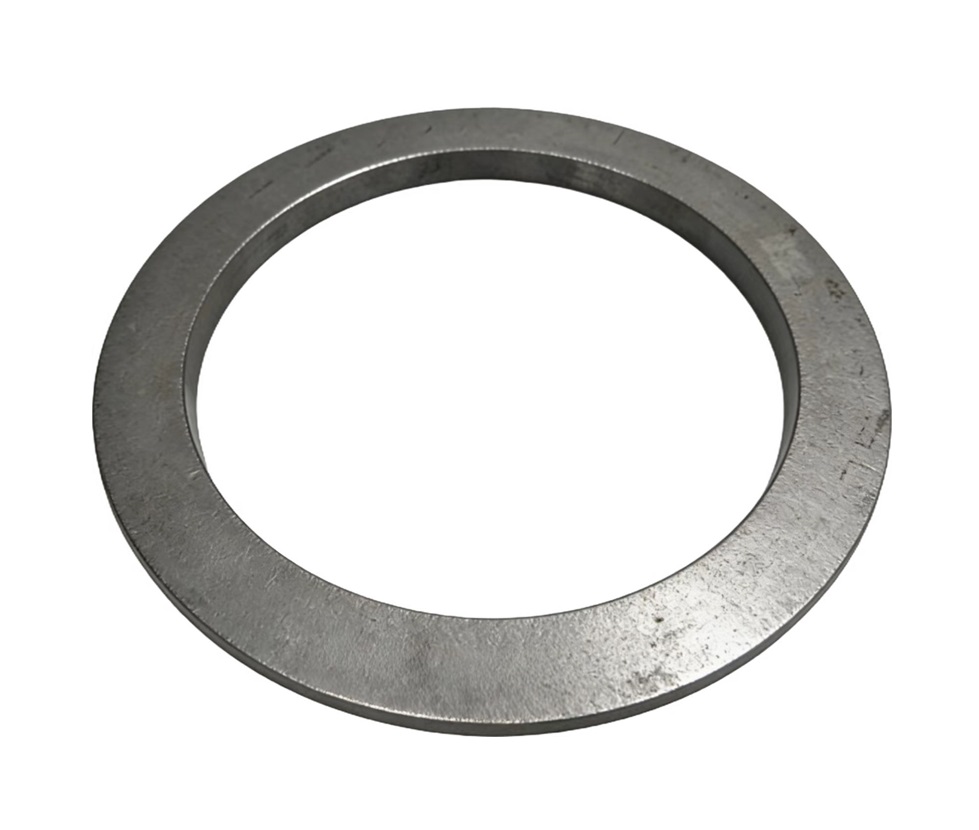
OEM Dust Seals Deliver the Material Performance Your Crusher Needs
High-Manganese Steel and High-Chromium Alloy Steel for Demanding Environments
OEM dust seals for cone crushers are manufactured from high-manganese steel or high-chromium alloy steel — materials selected specifically for their wear resistance and toughness in crusher operating conditions. These grades withstand the abrasive contact and cyclic loading at the seal interface far better than generic alternatives. For cone crusher parts operating in mining or heavy engineering environments, the material specification is what determines whether the seal lasts a full service interval or fails prematurely and allows contamination to reach the lubrication circuit.
Alloy Additions That Improve Anti-Sticking Performance
Quality dust seal castings are enhanced with alloy additions — including manganese — that improve resistance to material sticking and packing at the seal face. In applications where fine, moist, or clay-bearing material is present, surface sticking at the seal interface is a real operational problem. A dust seal with the right alloy profile resists this effectively, maintaining clean contact surfaces and consistent sealing performance throughout its service life. This directly reduces the frequency of unplanned maintenance interventions on cone crusher parts.
Heat Treatment for Consistent Wear Resistance Across the Seal Face
Key cone crusher parts, including the dust seal, benefit from special heat treatment processes applied after casting. Heat treatment improves the hardness and wear resistance of the contact surfaces, ensuring the seal maintains its sealing geometry over a longer service life. A dust seal that retains its dimensional profile under abrasive loading keeps the sealing gap within specification for longer, which is exactly what protects the lubrication system from the gradual ingress of fine particles that causes bearing damage.
OEM Dimensional Accuracy Protects the Entire Crusher Assembly
Correct Fit Prevents Contamination Pathways
An OEM dust seal is manufactured to match the dimensional envelope of the specific crusher model, ensuring there are no gaps or misalignments at the mounting interface that create unintended pathways for dust migration. Generic or poorly dimensioned replacements frequently introduce these gaps — not because the seal itself is worn, but because it was never the right geometry to begin with. Correctly fitting cone crusher parts seal the assembly as designed and eliminate contamination entry points from the first hour of operation.
Consistent Contact Face Geometry for Reliable Sealing
The sealing performance of a dust seal depends on the geometry of the contact face — the angle, width, and surface finish of the sealing interface. OEM-grade manufacturing maintains these parameters within tight tolerances, producing a seal that contacts its mating surface evenly and consistently. Customization to the specific crusher model and drawing ensures this geometry is right for the machine, not approximated to fit. This precision is what separates a dust seal that works reliably from one that allows progressive contamination despite appearing to be installed correctly.
Protecting Bearings and Lubrication from Downstream Damage
When a dust seal functions correctly, the lubrication system and bearings operate in a clean environment. When it fails — or when a non-OEM seal allows gradual contamination — fine mineral particles enter the oil circuit and become abrasive agents that accelerate wear on every surface they contact. The cost of contaminated oil, accelerated bearing wear, and potential shaft damage across the cone crusher parts assembly far exceeds the price difference between OEM and substandard seal components. This is the economic case for OEM quality stated plainly.
Sourcing OEM-Quality Dust Seals for Non-Standard or Legacy Equipment
Custom Fabrication When OEM Supply Is Discontinued
For older or less common crusher models, OEM dust seal supply is often discontinued, leaving maintenance teams dependent on the aftermarket. Custom fabrication from the original drawing or a measured sample part is the most reliable path to a correctly specified replacement. A manufacturer experienced in custom cone crusher parts will review the dimensional data before committing to production and flag any issues — rather than proceeding and discovering a fit problem after the part is made.
Lead Times and Planning Your Maintenance Window
Standard dust seals for common crusher models can often be sourced with manageable lead times. Custom or non-standard seals — particularly where the drawing requires multiple rounds of confirmation, or where specific alloy grades or heat treatment requirements are involved — take longer. The timeline depends on how cleanly the specification is established upfront. Providing complete drawing data at the inquiry stage and confirming the specification before production begins is the most effective way to keep lead times within your maintenance planning window.
Incoming Inspection Before Installation
Before installing any replacement dust seal, verify the key dimensions against the drawing or the worn part it replaces, and inspect the contact face and mounting surfaces for casting defects. Catching a dimensional or surface issue at incoming inspection takes minutes; discovering it after installation, when the seal is not performing correctly, means another shutdown. A supplier with documented in-process quality control will provide inspection records on request — this is a reasonable ask for any cone crusher parts order going into a critical assembly.
Conclusion
OEM dust seal parts protect the lubrication system, bearings, and internal components of a cone crusher by maintaining correct material properties, dimensional accuracy, and reliable sealing geometry over a full service interval. The combination of the right alloy grade, proper heat treatment, and precise fit to the crusher model is what makes an OEM-quality dust seal worth specifying — and what makes the alternatives a false economy.
FAQ
Q1: What material is an OEM crusher dust seal made from?
High-manganese steel and high-chromium alloy steel are the standard materials, chosen for their wear resistance and toughness in the abrasive conditions inside a crusher.
Q2: Why does heat treatment matter for a dust seal?
Heat treatment improves surface hardness and wear resistance, helping the seal maintain its sealing geometry longer and reducing the frequency of replacement.
Q3: Can a dust seal be custom-made for older crusher models?
Yes. Custom fabrication from drawings or sample measurements is available for legacy equipment where OEM supply has been discontinued.
Q4: How does a worn dust seal affect the lubrication system?
A worn or poorly fitted dust seal allows fine mineral particles into the oil circuit, making the lubricant abrasive and accelerating bearing and shaft wear throughout the assembly.
Q5: What should I check when a replacement dust seal arrives?
Verify key dimensions against the drawing, inspect the contact face for casting defects, and confirm that heat treatment was applied before installation.
Get OEM-Quality Dust Seals from Huan-Tai
Your crusher’s reliability depends on the parts inside it. At Xian Huan-Tai Technology and Development Co., Ltd., we’ve been manufacturing customized non-standard mechanical parts for mining and engineering equipment for over 30 years. Our technical team matches alloy grade and geometry to your specific crusher model, and our production team maintains quality control from casting through heat treatment and final inspection. Send your drawings or inquiry to inquiry@huan-tai.org — let’s protect your crusher from the inside out.
References
- Wills, B. A., & Finch, J. A. (2015). Wills’ Mineral Processing Technology: An Introduction to the Practical Aspects of Ore Treatment and Mineral Recovery (8th ed.). Butterworth-Heinemann, Oxford.
- Metso Corporation (2011). Crushing and Screening Handbook (5th ed.). Metso Minerals, Helsinki. [Authored by Metso technical staff.]
- Zum Gahr, K. H. (1987). Microstructure and Wear of Materials. Elsevier Science Publishers, Amsterdam.
- Shigley, J. E., Mischke, C. R., & Budynas, R. G. (2004). Mechanical Engineering Design (7th ed.). McGraw-Hill, New York.
- Mular, A. L., Halbe, D. N., & Barratt, D. J. (Eds.) (2002). Mineral Processing Plant Design, Practice, and Control (Vol. 1). Society for Mining, Metallurgy and Exploration, Littleton, CO.
