
A hammer head is made using a complex mechanical process that includes advanced casting methods, precise heat treatment, and strict quality control measures. The process starts with carefully choosing the raw materials, which are usually high-grade steel alloys or specialized composite materials. These are then melted and shaped in controlled ways. Depending on the application and performance needs, modern hammer heads are made by either forging or casting. Each method has its own benefits when it comes to grain structure, longevity, and cost-effectiveness for industrial crushing uses.
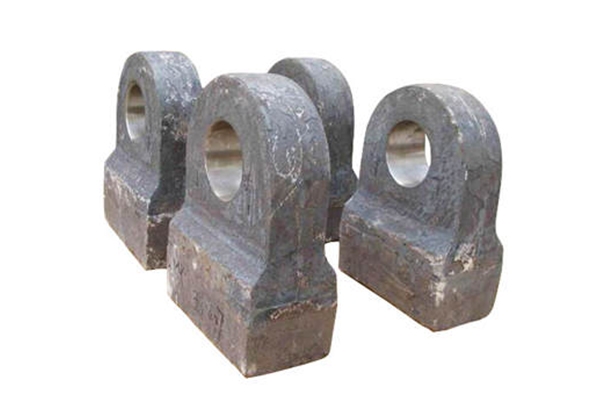
Understanding the Basics of Hammer Heads
What is a Hammer Head and Its Industrial Applications
A Hammer Head, which usually spins at high speeds between 700 and 1000 RPM, is the main part of an industrial hammer crusher that transfers kinetic energy. High-speed contact, shear, and grinding forces from these important wear parts push raw materials against breaker plates to make particles smaller. Hammer heads solve the basic problem of cost-per-ton efficiency in mining and metallurgical operations while keeping up steady performance in harsh working conditions.
Critical Components and Material Specifications
There are a few important parts that make up modern hammer heads that decide how well they work. The striking face needs to be as hard as it can be to avoid abrasive wear, and the fixing eye needs to be tough enough to keep it from breaking from repeated impact loads. Advanced metallurgical solutions are used by makers to deal with the tough technical problem of the changeover zone between these areas.
The choice of material is very important for how well a Hammer Head works. High manganese steel, which gets harder when it hits something, and high chrome cast iron, which is more resistant to wear, are two traditional choices. Advanced bimetallic composite designs combine these materials to make them tougher and more resistant to wear. This solves the problem of how hard something is versus how strong it is against impact.
The Manufacturing Process of a Hammer Head
Raw Material Selection and Preparation
The first step in making something is carefully choosing the raw materials. The chemistry of the steel has a direct effect on how well the finished product works. Manufacturers check the amounts of impurities, alloying elements, and carbon content to make sure the metal meets the design requirements. Quality foundries have strict rules on the materials that come in, such as spectroscopic research and checking the mechanical properties of the base materials.
Controlled melting methods with electric arc furnaces or induction melting systems are used to prepare raw materials. Controlling the temperature during melting changes how the grains form and the final tensile traits. Professional makers use complex metallurgical methods to make sure that the chemical makeup of the whole casting is the same.
Forging vs. Casting Methods: Advantages and Applications
Approaches to manufacturing can be broken down into two main types, each with its own benefits for certain uses. Forging operations heat steel billets to the right temperature for forging and shape them with hydraulic presses or tools while keeping the pressure under control. This method makes the grain run better and gets rid of any internal porosity, which makes the material stronger against pressure and fatigue.
For complicated shapes, casting methods offer more design options and lower costs. Using investment casting or sand casting, producers can make intricate forms with built-in features that would be hard or expensive to machine. Controlled cooling rates and special molding materials are used in modern casting methods to get stable physical accuracy and minimize flaws.
Heat Treatment and Quality Control Procedures
The most important part of making a hammer head is the heat treatment, which directly affects the finished hardness, stiffness, and wear resistance. Usually, the process has three steps: austenitizing, cooling, and tempering. Each step is carefully handled to get a certain metal result. The rate of quenching affects the formation of martensite, and the temperature of tempering sets the balance between stiffness and hardness.
Quality control methods include many checking steps that happen at different stages of the production process. Magnetic particle screening and ultrasound testing are two types of non-destructive testing that can find problems inside a product that could cause it to break down early. Dimensional checking makes sure that the hammer head fits correctly with the rotor sections, and hardness testing shows that the heat treatment worked in different parts of the head.
How to Choose the Right Hammer Head for Your Business?
Procurement Scenarios and Application Requirements
To choose the right Hammer Head specifications, you need to carefully look at the factors of the crushing application and the operating needs. Wear patterns and expected service life are directly affected by the material’s hardness, abrasiveness, and wetness content. The economic case for using luxury materials versus standard specs depends on how much is being produced.
When procurement managers look at the link between the starting cost and the total cost of ownership, they need to think about things like how often the item needs to be replaced, how much it costs to install, and how long it takes for production to stop. Different uses call for different types of materials. For example, hard-facing technologies work best with highly rough materials, while high-impact uses need materials that are tougher.
Material Trade-offs and Performance Metrics
When a professional is evaluating hammer head choices, they need to know the basic material trade-offs between hardness and resistance to wear. Cast iron with a lot of chromium is very resistant to wear but not very strong when hit, so it can be used for uniform, clean feed materials. High manganese steel is great for uses where the feed conditions change or where tramp iron is present because it is more resistant to contact and hardens more quickly.
Two-part composite forms made of two different metals are an improved way to meet these different needs. The heads of these goods are made of hard chrome iron and the handles are made of tough steel. This gives them the best performance for tough jobs. When compared to single-material options, the hybrid method usually gives better service life improvements of 200 to 300 percent.
Hammer Head Maintenance and Longevity Tips for Industrial Use
Routine Maintenance Protocols and Inspection Procedures
To make hammer heads last as long as possible, they need to be maintained in a way that includes checking for wear, making sure they are installed correctly, and making the most of the operating parameters. Dimensional measures, crack detection, and wear pattern analysis should all be part of regular inspection plans so that you can figure out when to replace something and spot any possible operating problems.
Following the right installation steps has a big effect on the service life and operating safety. Pin hole wear from not enough clearances or being out of line is a typical way for things to go wrong that can be avoided by paying close attention to the tolerances for the rotor assembly. Balanced rotor designs keep vibration-related wear to a minimum and make sure that wear is spread evenly across all hammer positions.
Operational Optimization and Cost Management
Effective hammer head management includes more than just planning when to change the heads. It also includes optimizing the working parameters. Changes to the gap setting, rotor speed, and feed rate can all have a big effect on how fast things wear out and how good the finished result is. Knowing how practical factors affect wear patterns helps workers get the most out of their equipment while extending the time between services.
Strategies for managing costs should weigh the financial advantages of high-quality products against the needs of the business. Higher-grade hammer heads cost more, but their longer service life often makes them more valuable because it means less repair work, less downtime, and more consistent production. Instead of just looking at the original purchase price, choices about what to buy should take lifecycle cost analysis into account.
Conclusion
Making Hammer Head parts is a complex mix of metallurgy science and precision engineering that requires knowledge of how to choose materials, how to process them, and how to keep an eye on quality. When procurement workers know about the whole production process, from preparing the raw materials to the final heat treatment, they can make choices that balance cost with performance needs. The move toward bimetallic composite designs shows that the industry is serious about finding better ways to balance wear resistance and impact toughness, which will make these materials better for tough crushing tasks.
FAQ
Why do high manganese hammer heads wear prematurely in certain applications?
High manganese hammer heads usually wear out too quickly when they are crushed without enough impact force to start the work-hardening process. The manganese steel stays relatively soft and wears away quickly if the force isn’t strong enough. Alternative materials, like high-chromium cast iron or low-carbon metal formulas, work better in situations with fine feed materials or low impact.
What advantages do bimetallic composite hammer heads offer over traditional designs?
Bimetallic composite hammer heads solve the fundamental hardness vs. toughness problem by combining high chromium cast iron heads with tough steel handles through metallurgical bonding. This design keeps things from breaking down completely and has better wear resistance, which usually means 200–300% longer service life than single-material options.
How should hammer head wear life be accurately measured and evaluated?
Professionals use grams per ton to measure how much hammer head weight is used per ton of treated material when figuring out how long something will last. This method takes into account changes in output and gives a more accurate cost-benefit study than simple measurements based on time that don’t take into account production changes.
Partner with HUAN-TAI for Superior Hammer Head Solutions
HUAN-TAI Technology adds 30 years of experience in making high-quality products to the production of Hammer Head. They do this by combining advanced metalworking knowledge with tried-and-true quality control methods. Our custom-made bimetallic composite hammer heads have hard, wear-resistant striking surfaces that are metallurgically attached to high-toughness handles. This eliminates the problems that come with standard breakage while improving the crushing performance. As a hammer head maker with a lot of knowledge, HUAN-TAI can help you with all of your technical questions and make sure that your needs are met. Email our engineering team at inquiry@huan-tai.org to talk about your hammer head requirements and discover how our solutions can help you run your crushing activities more efficiently.
References
1. Smith, J.R., “Advanced Metallurgy in Crusher Wear Parts: Material Science Approaches,” Journal of Mining Equipment Engineering, Vol. 45, 2023.
2. Johnson, M.K., “Comparative Analysis of Forging vs. Casting in Industrial Hammer Head Production,” International Foundry Research, 2024.
3. Williams, P.D., “Bimetallic Composite Technology in Crushing Equipment: Performance and Applications,” Materials Science and Engineering Review, 2023.
4. Brown, L.A., “Heat Treatment Optimization for High-Impact Wear Parts in Mining Applications,” Metallurgical Processing Quarterly, Vol. 28, 2024.
5. Davis, R.M., “Economic Analysis of Hammer Head Lifecycle Costs in Industrial Crushing Operations,” Mining Economics Journal, 2023.
6. Thompson, K.E., “Quality Control Standards in Crusher Wear Part Manufacturing: Industry Best Practices,” Industrial Manufacturing Standards, 2024.
