
A fixed jaw plate is the stationary structural wear component within the crushing chamber of a jaw crusher, bolted securely to the front frame of the equipment. Acting as the anvil against which the moving swing jaw plate exerts compressive force, this critical component enables the primary comminution of raw materials in mining and industrial applications. Unlike the moving jaw, the fixed jaw plate remains static while bearing the brunt of impact and high-stress abrasion during the rock reduction process. Manufactured with high-strength materials like manganese steel, these plates demonstrate exceptional rigidity and can withstand the reactive forces of fragmentation while maintaining dimensional stability throughout demanding crushing operations.
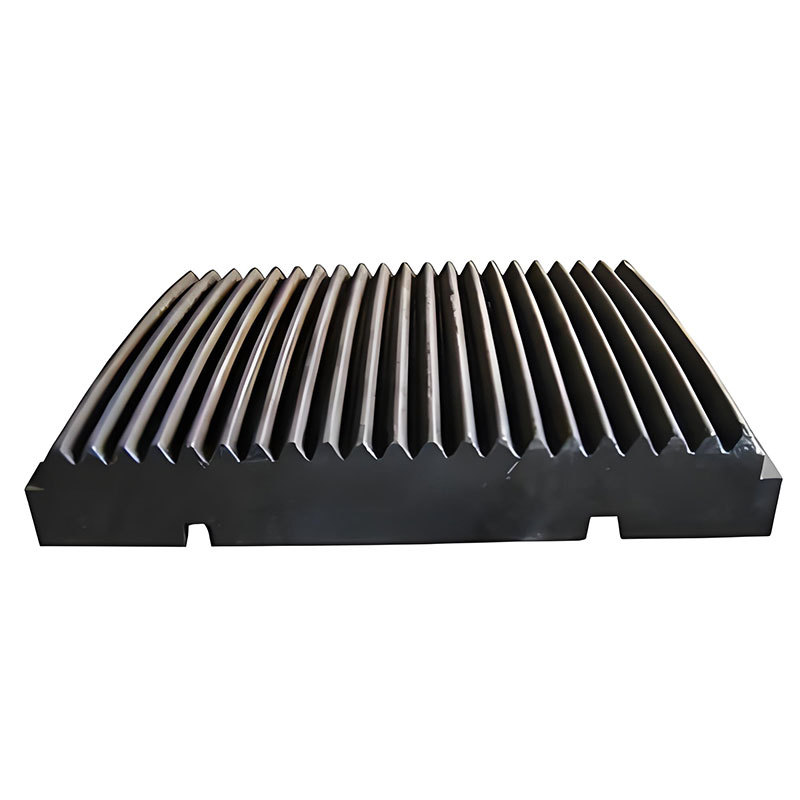
Understanding the Fixed Jaw Plate: Definition and Function
The jaw crusher assembly relies on a sophisticated mechanism where the Fixed Jaw Plate serves as the foundation for efficient material processing. This stationary component creates the crushing chamber’s fixed boundary, working alongside the movable jaw to generate the compressive forces necessary for breaking down various materials.
Core Operational Mechanism
The fixed jaw plate keeps the nip angle in the right place inside the crushing chamber. This keeps the material from sliding and lowers the risk of the crusher getting clogged. Advanced metallurgy is used to make high-quality fixed jaw plates that directly address problems with premature wear. This lowers the number of expensive liner changes that need to be made and increases the number of tons that crushing plants can process per hour. The building of the part is based on three main goals: how well it crushes, how well it grips material, and how well it protects important machine parts. The tooth profile design changes the texture of the end product and can handle different feed qualities, like materials that are sticky or very rough.
Design Principles and Performance Criteria
In fixed jaw plate design, structural longevity is still very important. During its service life, the part must be able to withstand very high pressure loads while still being true to its original dimensions. Backside cutting makes sure that the parts fit flush against the crusher frame, which gets rid of stress spots that could cause the parts to fail completely. The features of wear resistance have a direct effect on running costs and the availability of tools. The top of the plate has to be able to take constant wear and tear, while the base material has to be able to hold up under repeated loads.
Materials and Wear Management of Fixed Jaw Plates
Material choice has a big impact on how long something lasts, how well it works, and how much it costs to own it all together. Knowing about these qualities of materials helps buying teams make smart choices that balance the cost of the original investment with the benefits it will bring in the long run.
High-Performance Steel Compositions
Austenitic manganese steel is used a lot in industry standards, especially Hadfield steel comes in different types, from Mn13Cr2 for everyday use to Mn18Cr2 for high-performance needs. People who work with these metals know that their starting hardness of about 220-250 HB increases to 500-600 HB when they are hit. High manganese steel alloys are very resistant to impact while keeping flexible core characteristics that stop brittle failure modes. Alternatives made of high carbon steel have better wear protection for some uses that involve very rough materials. When working with materials that have water or chemicals that could speed up degradation, the rust protection of these materials becomes very important.
Wear Pattern Recognition and Maintenance Strategies
Surface distortion, edge softening, and crack growth along high-stress areas are all common signs of wear. Knowing these patterns lets you plan ahead for repair tasks that keep unexpected downtime to a minimum. Expected lifetimes vary a lot depending on how the materials were made, how they were used, and how they were maintained. In hard rock uses, inspections need to be done more often than in softer gravel handling situations. Regular eye checks, measurements, and estimates of surface state are all part of preventive maintenance plans.
Comparing Fixed Jaw Plate with Movable Jaw Plate and Other Parts
Understanding component distinctions within jaw crusher assemblies helps procurement professionals select appropriate parts and develop effective maintenance strategies. Each component serves unique functions while contributing to overall crushing performance.
Functional Role Differences
The Fixed Jaw Plate stays in place during the whole crushing cycle and acts as an anvil against which the materials are crushed. By moving back and forth, the movable jaw plates break the material by applying the compression forces needed for reduction. The flexible jaw plate system is part of the swing jaw plates. They include support structures and pivot mechanisms. The drive system sends crushing forces to the moving jaw assembly through toggle plates. These plates act as mechanical breakers that keep the crusher from overheating.
Material Hardness and Application Suitability
Fixed jaw plates are usually made of harder materials than moving parts because they are put under different kinds of stress and wear down in different ways. Because it is fixed, the best amounts of strength can be used without worrying about wear from cycle motion. In different breaking situations, different mixtures of materials are needed. For primary crushing, the best impact resistance is needed, while for secondary crushing, wear resistance may be more important.
OEM vs Aftermarket Considerations
Original equipment maker (OEM) parts are guaranteed to work with other parts and come with a warranty. Aftermarket parts may be cheaper but of lower quality. When making a buy choice, the total cost of ownership should be taken into account, not just the initial purchase price. Good replacement providers can give you the same performance for less money, especially if they have the right material certifications and quality control paperwork to back them up.
Trusted Brands and Suppliers of Fixed Jaw Plates
Supplier selection significantly impacts the quality, service experience, and operational success of Fixed Jaw Plate components. Evaluating potential partners requires systematic assessment of manufacturing capabilities, reputation, and support services to ensure consistent performance and reliability.
Manufacturing Excellence and Quality Standards
Leading manufacturers serving mining and industrial markets demonstrate consistent quality through certified production processes and comprehensive testing procedures. Their experience with diverse applications enables recommendation of optimal solutions for specific operational requirements.
Quality manufacturers invest in advanced metallurgy capabilities, precision machining equipment, and rigorous inspection procedures. These investments translate into superior product reliability and extended service life.
Supplier Evaluation Criteria
Certification requirements should include ISO 9001 quality management systems and relevant industry standards compliance. Customer testimonials and case studies provide insight into real-world performance and service quality.
After-sales support capabilities become critical during installation, troubleshooting, and replacement planning phases. Responsive technical support helps minimize downtime and optimize equipment performance throughout the service life. Partnership with experienced suppliers provides access to application expertise, inventory management support, and customization capabilities that enhance operational efficiency.
Conclusion
The Fixed Jaw Plate represents a critical investment in crushing equipment performance and operational reliability. Understanding its function, material properties, and procurement considerations enables informed decisions that balance cost, quality, and performance requirements. Proper material selection, combined with reliable supplier partnerships, ensures optimal equipment availability and consistent product quality. The combination of high-strength materials, precision manufacturing, and expert technical support creates the foundation for successful crushing operations across diverse industrial applications.
FAQ
How often should Fixed Jaw Plates be replaced?
Replacement frequency depends on processed materials, operating conditions, and maintenance practices. Hard rock applications typically require replacement every 6-12 months, while softer materials may extend service life to 12-24 months. Regular inspection helps optimize replacement timing and prevent unexpected failures.
What material grade is best for mining applications?
High manganese steel grades like Mn18Cr2 provide optimal performance for demanding mining applications. These materials offer excellent impact resistance and work hardening characteristics that extend service life when processing hard, abrasive materials like granite or basalt.
Can Fixed Jaw Plates be installed without professional assistance?
While installation procedures vary by crusher model, proper installation requires understanding of torque specifications, alignment procedures, and safety protocols. Professional installation ensures optimal performance and prevents premature failure due to improper mounting or alignment issues.
Partner with HUAN-TAI for Superior Fixed Jaw Plate Solutions
HUAN-TAI brings three decades of manufacturing excellence to serve your crushing equipment needs. Our professional production team manages quality throughout the entire manufacturing process, ensuring each Fixed Jaw Plate meets the highest standards of durability and performance. As an experienced Fixed Jaw Plate supplier, we combine advanced metallurgy with precision manufacturing to deliver components that withstand the most demanding applications. Our technical expertise enables customization for specific operational requirements while maintaining competitive pricing and reliable delivery schedules. Contact our team at inquiry@huan-tai.org to discuss your crushing equipment requirements and discover how our proven solutions can enhance your operational efficiency.
References
1. Smith, J.R. “Jaw Crusher Design and Material Selection for Mining Applications.” International Journal of Mining Engineering, 2019.
2. Anderson, M.K. “Metallurgical Properties of Manganese Steel in Crushing Equipment.” Materials Science and Engineering Review, 2020.
3. Thompson, D.L. “Wear Mechanisms in Jaw Crusher Components: A Comprehensive Analysis.” Mining Technology and Equipment, 2018.
4. Williams, S.A. “Cost Optimization Strategies for Crushing Equipment Maintenance.” Industrial Equipment Management, 2021.
5. Johnson, R.P. “Comparative Study of OEM vs Aftermarket Crusher Parts Performance.” Equipment Reliability Journal, 2019.
6. Davis, K.M. “Best Practices in Jaw Crusher Component Procurement.” Mining and Quarrying International, 2020.
