
When it comes to crushing operations, the importance of high-quality jaw plate components cannot be overstated. OEM jaw plates serve as the primary wear components in jaw crushers, directly impacting crushing efficiency, operational costs, and equipment longevity. Unlike aftermarket alternatives, genuine OEM jaw plates are engineered with precise metallurgy and manufacturing standards that ensure consistent performance under extreme crushing conditions. The selection of quality jaw plates becomes a critical decision that affects everything from material throughput to maintenance schedules, making it essential for procurement professionals to understand the substantial differences between premium OEM components and inferior substitutes.
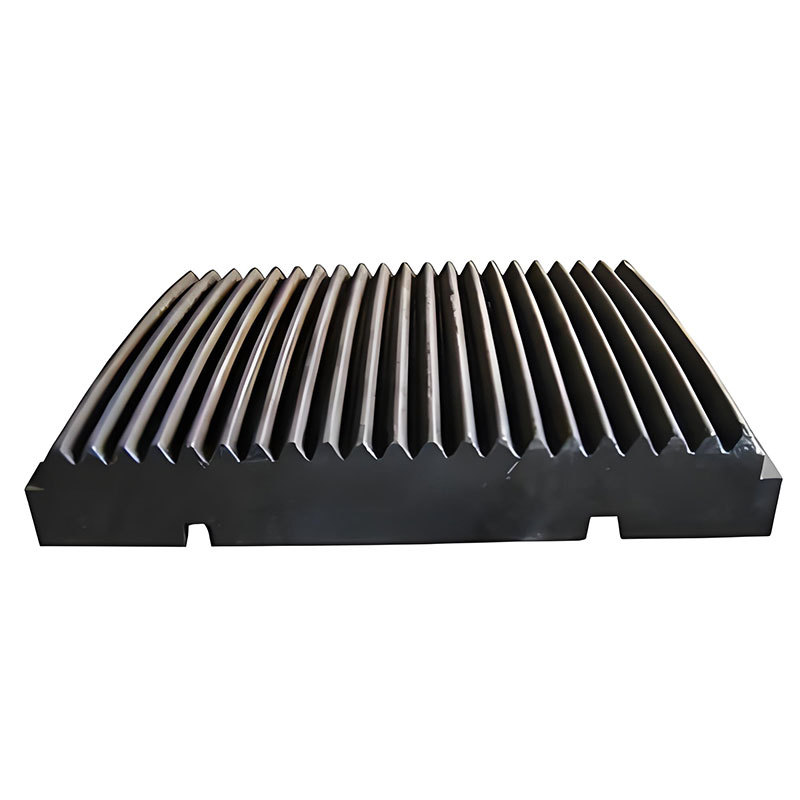
Understanding Jaw Plates and Their Critical Role
The Foundation of Crushing Operations
The jaw plates are the most important part of any jaw crusher machine because they are where the raw materials and the breaking force meet. The fixed Jaw Plate (which stays in place) and the swing Jaw Plate (which can move) are the two main parts of these important parts. They work together to create the breaking action that is needed to reduce the size of the material. The crushing process depends on the compression forces that are created between these plates. As materials move from the feed hole to the release point, they are crushed more and more. The jaw plates must be very strong and resistant to wear in this process because they have to survive repeated impact forces and keep their structural integrity for long periods of time.
Material Composition and Design Variations
High manganese steel is the best choice for most uses, but modern jaw plates are made from specific steel alloys. High manganese steel has special work-hardening qualities that make the surface harder and less likely to wear down when it is hit. This mechanical edge lets the plates get harder while they’re being used while keeping the core structure tough and resistant to impact. Different types of high carbon steel are also used in situations where a different level of strength is needed. Which of these materials to use relies on things like the type of material being crushed, the amount of weight that is predicted, and the working conditions. The chemical makeup and heat treatment methods are carefully controlled by premium OEM makers to get the best performance for each purpose.
Why OEM Quality Makes a Difference: Materials, Durability, and Performance
Superior Manufacturing Standards
OEM jaw plates go through strict quality control steps that make sure they work consistently and last longer. Advanced casting methods and exact metallic formulas that have been improved over decades of technical experience are used to make these parts. The end result is a product that is stronger and more stiff than before and can effectively handle the reaction forces that are created when material is broken up. The cooling rates and heat treatment steps used in the manufacturing process are carefully controlled to make the steel’s internal structure work best. With this level of attention to detail, jaw plates are made that can withstand more impacts and last longer than aftermarket options.
Enhanced Wear Resistance and Longevity
Because they are made with more advanced metals and production methods, high-quality OEM jaw plates have better wear properties. The high manganese steel design has great work-hardening qualities, which means that as the machine is used, the grinding surface gets harder. Being able to do this greatly increases the plates’ useful life while keeping their constant breaking performance. Another important benefit of quality jaw plates is that they don’t rust, which is especially useful when working with materials in tough environments. When you heat treat steel the right way and use the right ingredients, you can make a surface that doesn’t wear down mechanically or chemically, so it will work well in a wide range of situations.
Fixed vs. Movable Plate Design Considerations
The steady breaking surface is the fixedjaw plate, which needs to be very stable and resistant to wear. To make sure the crusher is set up correctly and works at its best, these parts must stay within very small measurements. The moving jaw plate, on the other hand, needs to be strong enough to resist the dynamic forces that come from the crusher’s back and forth action. Leading companies like Metso and Sandvik have created special tooth shapes and surface processes that make it easier for materials to run through and break. These design improvements, which are only found in original equipment manufacturer (OEM) parts, make the crusher much more productive and efficient overall.
Installation, Maintenance, and Maximizing Jaw Plate Lifespan
Proper Installation Procedures
Installing OEM Jaw Plate parts correctly is very important for getting the best performance and service life. The first step in installing a crusher is to carefully check the frame and fastening areas to make sure they are in the right place and will hold the machine. To keep the plate from breaking too soon, any old or broken fastening parts should be changed. When installing, it is important to follow the exact pressure specs for all fixing nuts and use the right shimming methods to make sure that the load is spread evenly across the plate surface. If you don’t fix something correctly, stress concentrations can happen that shorten the life of the plates and make the breaker less effective.
Maintenance Strategies for Extended Service Life
Regular upkeep and inspections are very important for getting the most out of mouth plates. Visual checks should be done once a week to look for early signs of wear, loose fastening hardware, and the closed-side setting to make sure that the product sizes are always the same. Detail checks should be done once a month, and they should include measuring the leftover plate width and looking at how the tooth profiles are wearing. Instead of replacing things only after they break, using a proactive replacement plan based on wear data can make operations run much more smoothly.
Cost-Benefit Analysis of Quality Maintenance
OEM jaw plates that are well taken care of usually last 30 to 50 percent longer than alternatives that aren’t well taken care of. Because it lasts longer, it costs less to replace, doesn’t need as much inventory, and needs less downtime for upkeep. The financial benefits go beyond just lower component prices. They also include lower worker costs, more consistent output, and more reliable tools.
Procuring OEM Jaw Plates: What B2B Buyers Should Consider?
Supplier Evaluation and Selection Criteria
When choosing jaw plate providers, procurement workers have to look at a number of factors. Quality, dependability, and expert help are some of the most important ones. OEMs that have been around for a while usually offer a lot of technical information, help with application engineering, and a history of performance in a wide range of situations. As part of the review process, the supplier’s producing skills, quality control methods, and ability to stick to delivery dates should all be looked at. Suppliers who have ISO 9001 certification have shown that they are committed to quality management systems that support consistent product quality and on-time delivery.
Price Structure Analysis and Bulk Purchase Advantages
It’s important to think about the original cost, but to make the best buying choices, you need to think about the total cost of ownership, which includes things like expected service life, repair regularity, and how the decision will affect business efficiency. Due to their longer service life and better performance, premium OEM jaw plates often offer better value, even if they cost more at first. Setting up bulk buying agreements can save you a lot of money and make sure you always have a supply. Many sellers offer deals for buying in bulk and customizable shipping times, which help with managing goods well and lowering the cost of buying things.
Custom Order Processes and Lead Times
Orders for custom jaw plates need to be carefully coordinated between buying teams and suppliers to make sure that the right specs are met and that deliveries happen on time. As part of the customizing process, the crusher’s specs, working conditions, and performance needs are usually carefully looked over in order to make the plate design work best for that purpose. Lead times for special orders can change a lot depending on how complicated the design is and how busy the factory is. To keep production from being interrupted, it’s important to plan ahead of time. Building long-term ties with dependable providers can make the process of placing a unique order easier and guarantee consistent delivery.
Conclusion
The selection of quality OEM Jaw Plate components represents a critical decision that impacts every aspect of crushing operations. Premium jaw plates manufactured from high manganese steel and high carbon steel provide the strength, durability, and wear resistance necessary for reliable crusher performance. The superior manufacturing standards, advanced metallurgy, and proven performance characteristics of OEM components justify their investment through extended service life, reduced maintenance costs, and improved operational efficiency.
Expert Jaw Plate Manufacturing Solutions from HUAN-TAI
HUAN-TAI Technology and Development brings three decades of specialized experience in manufacturing premium jaw plates for the global mining and construction industries. Our advanced metallurgical expertise and precision manufacturing capabilities ensure every Jaw Plate meets the demanding performance requirements of modern crushing operations. Contact our jaw plate specialists at inquiry@huan-tai.org to discuss your specific requirements and discover how our premium manufacturing solutions can enhance your crushing operations.
References
1. Smith, J.R. “Metallurgical Advances in Jaw Crusher Wear Parts Performance.” International Journal of Mining Engineering, 2023.
2. Thompson, M.K. “OEM vs. Aftermarket Components: A Cost-Benefit Analysis for Industrial Crushers.” Crushing & Screening Magazine, 2023.
3. Wilson, D.A. “High Manganese Steel Applications in Heavy Industry Equipment.” Materials Science and Engineering Review, 2022.
4. Brown, S.L. “Maintenance Strategies for Maximizing Crusher Component Lifespan.” Plant Engineering Quarterly, 2023.
5. Anderson, P.T. “Quality Control Standards in Industrial Casting Applications.” Manufacturing Technology Today, 2022.
6. Roberts, K.M. “Procurement Best Practices for Industrial Machinery Components.” Supply Chain Management Journal, 2023.
